
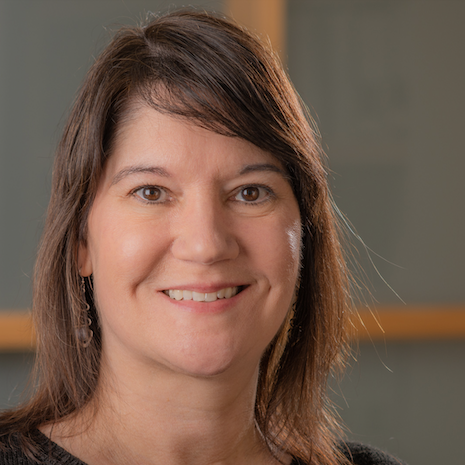
Jill Kreiling
· Professor of Molecular Biology, Cell Biology and Biochemistry (Research)Brown University · Microbiology and Immunology
Active 1989–2026
Academic metrics are sourced from OpenAlex and public funding records; values may differ from Google Scholar.
About
Jill Kreiling is a Professor of Molecular Biology, Cell Biology, and Biochemistry with a research focus on aging and chromatin biology. She has held positions at Brown University since 2006, including Associate Professor (Research) at the Brown University School of Medicine and Associate Director of the Brown Center on the Biology of Aging. Her work investigates the molecular mechanisms underlying aging, particularly the regulation of heterochromatin formation and the activity of transposable elements in aging mammalian tissues. Kreiling's research aims to identify biomarkers and understand the epigenetic changes associated with aging, with a specific interest in neural stem cell decline, transposable element activity, and heterochromatin dynamics. She has contributed to advancing knowledge in these areas through her extensive publication record and leadership in funded projects related to aging, stem cells, and epigenetics.
Research topics
- Biology
- Genetics
- Bioinformatics
- Internal medicine
- Medicine
- Computational biology
- Pharmacology
- Neuroscience
- Evolutionary biology
- Psychology
Selected publications
Loss of epigenetic information as a cause of mammalian aging
Cell · 2023 · 603 citations
The role of retrotransposable elements in ageing and age-associated diseases
Nature · 2021 · 427 citations
Sex‐specific aging in animals: Perspective and future directions
Aging Cell · 2022-01-23 · 96 citations
reviewOpen accessSex differences in aging occur in many animal species, and they include sex differences in lifespan, in the onset and progression of age-associated decline, and in physiological and molecular markers of aging. Sex differences in aging vary greatly across the animal kingdom. For example, there are species with longer-lived females, species where males live longer, and species lacking sex differences in lifespan. The underlying causes of sex differences in aging remain mostly unknown. Currently, w…
Timing and cell specificity of senescence drives postnatal lung development and injury
Nature Communications · 2023-01-17 · 44 citations
articleOpen accessSenescence causes age-related diseases and stress-related injury. Paradoxically, it is also essential for organismal development. Whether senescence contributes to lung development or injury in early life remains unclear. Here, we show that lung senescence occurred at birth and decreased throughout the saccular stage in mice. Reducing senescent cells at this stage disrupted lung development. In mice (<12 h old) exposed to hyperoxia during the saccular stage followed by air recovery until adultho…
Loss of epigenetic information as a cause of mammalian aging
Cell · 2024-02-01 · 38 citations
erratumOpen access
Recent grants
Salivary Extracellular Vesicles as Biomarkers for Alzheimer's Disease and Related Disorders
NIH · $3.9M · 2022–2027
NIH · $582k · 2017
Regulation of Neural Stem Cell Quiescence by FOXO3 During Aging
NIH · $20.4M · 2020–2024
Frequent coauthors
- 52 shared
John M. Sedivy
Brown University
- 45 shared
Robbert Créton
Providence College
- 25 shared
Sayali V. Gore
Providence College
- 25 shared
Thaís Del Rosario Hernández
Brown University
- 22 shared
Bianca Kun
Brown University
- 20 shared
Nicola Neretti
Providence College
- 20 shared
Steven W. Criscione
AstraZeneca (United States)
- 20 shared
Abigail L. Peterson
Providence College
Labs
Kreiling, JillPI
Education
Ph.D.
Brown University School of Medicine
M.D.
Brown University School of Medicine
B.A.
Brown University
Similar researchers at Brown University
- Resume-aware match score
- Save to shortlist
- AI-drafted outreach
See your match with Jill Kreiling
PhdFit ranks faculty by your research interests, methods, and publications — grounded in their actual work, not templates.
- Free to start
- No credit card
- 30-second signup