
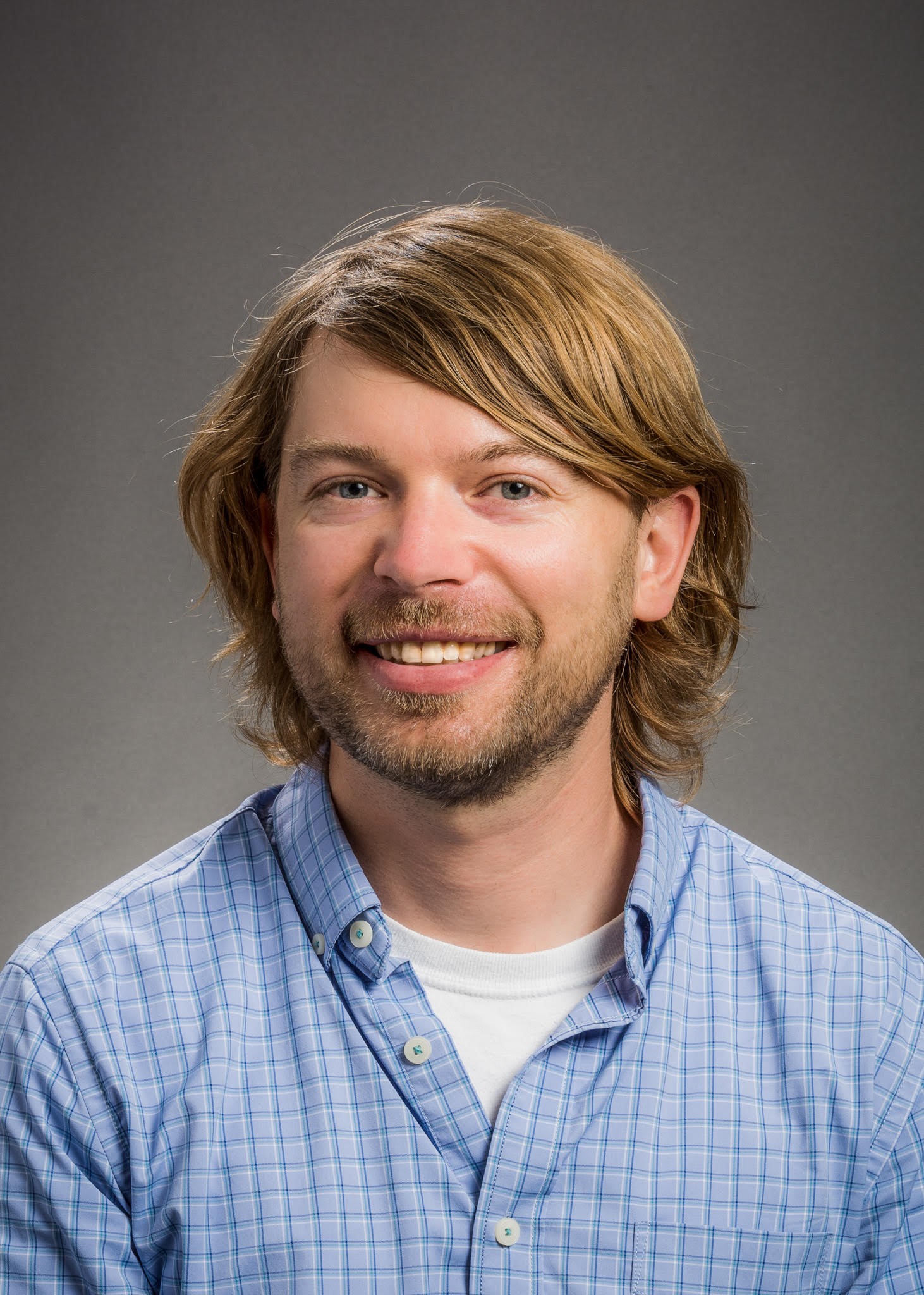
Samuel Arnold
· Assistant ProfessorUniversity of Washington · Pharmacology
Active 1983–2025
Academic metrics are sourced from OpenAlex and public funding records; values may differ from Google Scholar.
About
Dr. Samuel Arnold joined the Department of Pharmaceutics at the University of Washington as an Assistant Professor in 2023. His research predominantly focuses on characterizing exposure-response relationships for therapeutic treatment of infectious diarrhea. While there has been a substantial reduction in diarrhea-associated mortality over the past decade, diarrheal diseases remain a major global health concern, especially as the etiological landscape shifts with the reduction of rotavirus infections and the rise of other agents such as Cryptosporidium and Shigella. Dr. Arnold’s work includes developing in vitro and in vivo models for cryptosporidiosis and shigellosis, and he has led efforts to identify pharmacokinetic/pharmacodynamic (PK/PD) relationships for anti-cryptosporidiosis drugs as part of the Bill & Melinda Gates Foundation Cryptosporidium Drug Accelerator (CryptoDA). His research involves non-traditional experimental approaches to understand exposure-response relationships given the gastrointestinal localization of these pathogens. Additionally, Dr. Arnold has provided clinical pharmacology support for a clinical trial in Malawi investigating clofazimine as a potential treatment for cryptosporidiosis, and his subsequent analysis has demonstrated an association between diarrheal status and therapeutic drug exposure. His lab is working on developing pharmacokinetic models to predict the impact of diarrhea on drug exposure prior to human dosing.
Research topics
- Biology
- Virology
- Immunology
- Pharmacology
- Cell biology
- Microbiology
- Internal medicine
- Medicine
- Pathology
- Computational biology
Selected publications
Clinical Infectious Diseases · 2020 · 58 citations
BACKGROUND: We evaluated the efficacy, pharmacokinetics (PK), and safety of clofazimine (CFZ) in patients living with human immunodeficiency virus (HIV) with cryptosporidiosis. METHODS: We performed a randomized, double-blind, placebo-controlled study. Primary outcomes in part A were reduction in Cryptosporidium shedding, safety, and PK. Primary analysis was according to protocol (ATP). Part B of the study compared CFZ PK in matched individuals living with HIV without cryptosporidiosis. RESULTS:…
Bumped Kinase Inhibitors as therapy for apicomplexan parasitic diseases: lessons learned
International Journal for Parasitology · 2020 · 49 citations
International Journal for Parasitology Drugs and Drug Resistance · 2021 · 34 citations
s of 165 nM (Neospora caninum) and 43 nM (Toxoplasma gondii). Immunofluorescence and electron microscopy showed that addition of 2.5 μM BKI-1748 to infected HFF monolayers transformed parasites into multinucleated schizont-like complexes (MNCs) containing newly formed zoites, which were unable to separate and form infective tachyzoites or undergo egress. In zebrafish (Danio rerio) embryo development assays, no embryonic impairment was detected within 96 h at BKI-1748 concentrations up to 10 μM.…
Veterinary Parasitology · 2020 · 32 citations
Antimicrobial Agents and Chemotherapy · 2024-12-31 · 6 citations
articleOpen accessABSTRACT Drug development for congenital toxoplasmosis is challenging since first-line therapy has a high rate of adverse effects and exhibits suboptimal efficacy. Bumped kinase inhibitors (BKIs), targeting protein kinases with small gatekeeper residues, have been found to be effective against Toxoplasma gondii . The efficacy of BKI-1748 administered later than 2 days post-infection (p.i.), a scenario that may better reflect its real-world use as a therapeutic candidate, has not been investigate…
Frequent coauthors
- 127 shared
Wesley C. Van Voorhis
- 124 shared
Ryan Choi
- 122 shared
Matthew A. Hulverson
- 121 shared
Lynn K. Barrett
- 120 shared
Kayode K. Ojo
- 118 shared
Grant R. Whitman
- 114 shared
Dustin J. Maly
- 105 shared
Lucas B. Sullivan
Education
B.S., Biochemistry
University of Colorado
Ph.D., Pharmaceutics
University of Washington
Similar researchers at University of Washington
- Resume-aware match score
- Save to shortlist
- AI-drafted outreach
See your match with Samuel Arnold
PhdFit ranks faculty by your research interests, methods, and publications — grounded in their actual work, not templates.
- Free to start
- No credit card
- 30-second signup