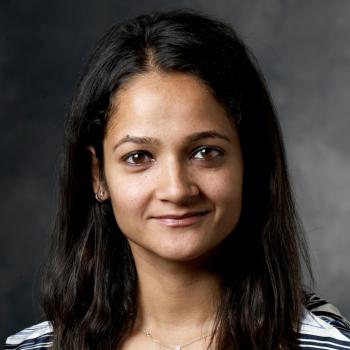
Millie Das
· Clinical Professor, Medicine - OncologyStanford University · Medical Oncology
Active 2006–2024
About
Millie Das is a Clinical Professor of Medicine in the Oncology division at Stanford University. She specializes in the treatment of thoracic malignancies and sees patients at the Stanford Cancer Center and the Palo Alto VA Hospital. She serves as Chief of Oncology at the VA Palo Alto Health Care System and is an active member of the VA national Lung Cancer Working Group and Lung Cancer Precision Oncology Program. Dr. Das is the VA site director for the Stanford fellowship program and leads the VA thoracic tumor board on a biweekly basis. Her research interests include clinical research in lung cancer, serving as a principal investigator for multiple clinical and translational studies, and co-investigator on lung cancer trials at Stanford. She is dedicated to patient advocacy and clinician education, exemplified by her election as President of the Association of Northern California Oncologists (ANCO) in 2023, where she helps organize continuing medical education programs. Dr. Das holds a fellowship in Hematology and Oncology from Stanford University, is board certified by the American Board of Internal Medicine in Medical Oncology, and has completed her residency and internship at Stanford University Hospital.
Research topics
- Internal medicine
- Medicine
- Cancer research
- Biology
- Computer Science
- Oncology
- Nursing
- Genetics
- Immunology
- Computational biology
- Psychology
- Family medicine
- Pathology
Selected publications
UCHL1 is a potential molecular indicator and therapeutic target for neuroendocrine carcinomas
Cell Reports Medicine · 2024 · 29 citations
- Cancer research
- Biology
- Pathology
Neuroendocrine carcinomas, such as neuroendocrine prostate cancer and small-cell lung cancer, commonly have a poor prognosis and limited therapeutic options. We report that ubiquitin carboxy-terminal hydrolase L1 (UCHL1), a deubiquitinating enzyme, is elevated in tissues and plasma from patients with neuroendocrine carcinomas. Loss of UCHL1 decreases tumor growth and inhibits metastasis of these malignancies. UCHL1 maintains neuroendocrine differentiation and promotes cancer progression by regulating nucleoporin, POM121, and p53. UCHL1 binds, deubiquitinates, and stabilizes POM121 to regulate POM121-associated nuclear transport of E2F1 and c-MYC. Treatment with the UCHL1 inhibitor LDN-57444 slows tumor growth and metastasis across neuroendocrine carcinomas. The combination of UCHL1 inhibitors with cisplatin, the standard of care used for neuroendocrine carcinomas, significantly delays tumor growth in pre-clinical settings. Our study reveals mechanisms of UCHL1 function in regulating the progression of neuroendocrine carcinomas and identifies UCHL1 as a therapeutic target and potential molecular indicator for diagnosing and monitoring treatment responses in these malignancies.
JCO Oncology Practice · 2022 · 31 citations
- Medicine
- Family medicine
- Nursing
PURPOSE: Patients with metastatic cancer benefit from advance care planning (ACP) conversations. We aimed to improve ACP using a computer model to select high-risk patients, with shorter predicted survival, for conversations with providers and lay care coaches. Outcomes included ACP documentation frequency and end-of-life quality measures. METHODS: In this study of a quality improvement initiative, providers in four medical oncology clinics received Serious Illness Care Program training. Two clinics (thoracic/genitourinary) participated in an intervention, and two (cutaneous/sarcoma) served as controls. ACP conversations were documented in a centralized form in the electronic medical record. In the intervention, providers and care coaches received weekly e-mails highlighting upcoming clinic patients with < 2 year computer-predicted survival and no prior prognosis documentation. Care coaches contacted these patients for an ACP conversation (excluding prognosis). Providers were asked to discuss and document prognosis. RESULTS: = .04). CONCLUSION: Combining a computer prognosis model with care coaches increased ACP documentation.
Cancer Discovery · 2020 · 170 citations
- Cancer research
- Biology
- Medicine
.
Noninvasive Early Identification of Therapeutic Benefit from Immune Checkpoint Inhibition
Cell · 2020 · 359 citations
- Computer Science
- Biology
- Oncology
Nature Cancer · 2020 · 365 citations
- Medicine
- Oncology
- Internal medicine
Circulating tumor DNA (ctDNA) molecular residual disease (MRD) following curative-intent treatment strongly predicts recurrence in multiple tumor types, but whether further treatment can improve outcomes in patients with MRD remains unclear. We applied CAPP-Seq ctDNA analysis to 218 samples from 65 patients receiving chemoradiation therapy (CRT) for locally advanced NSCLC, including 28 patients receiving consolidation immune checkpoint inhibition (CICI). Patients with undetectable ctDNA after CRT had excellent outcomes whether or not they received CICI. Among such patients, one died from CICI-related pneumonitis, highlighting the potential utility of only treating patients with MRD. In contrast, patients with MRD after CRT who received CICI had significantly better outcomes than patients who did not receive CICI. Furthermore, the ctDNA response pattern early during CICI identified patients responding to consolidation therapy. Our results suggest that CICI improves outcomes for NSCLC patients with MRD and that ctDNA analysis may facilitate personalization of consolidation therapy.
Frequent coauthors
- 128 shared
Heather A. Wakelee
- 116 shared
Joel W. Neal
- 86 shared
Kavitha Ramchandran
Stanford University
- 76 shared
Sukhmani K. Padda
Fox Chase Cancer Center
- 69 shared
Maximilian Diehn
- 50 shared
Billy W. Loo
Stanford University
- 29 shared
Henning Stehr
- 26 shared
Nathaniel J. Myall
Stanford University
Awards & honors
- Fellowship, Stanford University Hematology and Oncology Fell…
Similar researchers at Stanford University
- Resume-aware match score
- Save to shortlist
- AI-drafted outreach
See your match with Millie Das
PhdFit ranks faculty by your research interests, methods, and publications — grounded in their actual work, not templates.
- Free to start
- No credit card
- 30-second signup