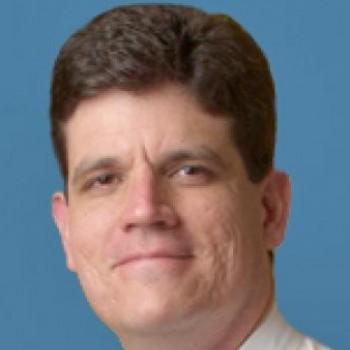
Dean W. Felsher
· Professor of Medicine (Oncology) and of PathologyStanford University · Medical Oncology
Active 1985–2024
About
Dean W. Felsher is a Professor of Medicine (Oncology) and Pathology at Stanford University School of Medicine. His laboratory studies how oncogenes such as MYC initiate and maintain cancer, with a focus on how shutting down oncogenes can reverse cancer or elicit 'Oncogene Addiction.' His research explores basic mechanisms of oncogene addiction, including the roles of self-renewal/stemness, metabolism, host immune response, protein biogenesis, microbiome, and extracellular vesicles. Felsher is developing novel therapeutics using small molecules, nanoparticles, and proteins/peptides to target oncogenes and restore immune responses against cancer. His work also involves developing new diagnostic and imaging methods such as PET, mass spectrometry, and nanoproteomics. Additionally, he is involved in clinical trials aimed at improving cancer treatment monitoring and understanding treatment responses, including studies on perfusion CT in kidney cancer and antibiotic therapy in chemotherapy-induced neutropenia. Felsher's contributions have significantly advanced understanding of oncogene-driven cancers and therapeutic strategies to target them.
Research topics
- Medicine
- Biology
- Internal medicine
- Genetics
- Computational biology
- Cancer research
- Risk analysis (engineering)
- Cell biology
- Bioinformatics
- Immunology
- Chemistry
Selected publications
The MYC oncogene — the grand orchestrator of cancer growth and immune evasion
Nature Reviews Clinical Oncology · 2021 · 938 citations
Senior authorCorresponding- Cancer research
- Medicine
- Immunology
Cancer Epidemiology Biomarkers & Prevention · 2020 · 110 citations
- Computational biology
- Bioinformatics
- Biology
We identified gaps in coverage of the KCs by current assays. Future efforts should expand the breadth, specificity, and sensitivity of validated assays and biomarkers that can measure the 10 KCs. Refinement of the KC approach will enhance and accelerate carcinogen identification, a first step in cancer prevention.
Mitochondrial copper depletion suppresses triple-negative breast cancer in mice
Nature Biotechnology · 2020 · 335 citations
- Cancer research
- Biology
- Chemistry
Genomic Analysis of Vascular Invasion in HCC Reveals Molecular Drivers and Predictive Biomarkers
Hepatology · 2020 · 90 citations
- Biology
- Computational biology
- Medicine
BACKGROUND AND AIMS: Vascular invasion (VI) is a critical risk factor for HCC recurrence and poor survival. The molecular drivers of vascular invasion in HCC are open for investigation. Deciphering the molecular landscape of invasive HCC will help identify therapeutic targets and noninvasive biomarkers. APPROACH AND RESULTS: ) conserved across the two species. Mechanistically, we show that FN1 promotes the migratory and invasive phenotype of HCC cancer cells. We demonstrate tissue overexpression of fibronectin in human HCC using a large independent cohort of human HCC tissue microarray (n = 153; P < 0.001). Lastly, we showed that plasma fibronectin levels were significantly elevated in patients with HCC (n = 35; mean = 307.7 μg/mL; SEM = 35.9) when compared to cirrhosis (n = 10; mean = 41.8 μg/mL; SEM = 13.3; P < 0.0001). CONCLUSIONS: Our study evaluates the molecular landscape of tumors with VI, identifying distinct transcriptional, epigenetic, and proteomic changes driven by the MYC oncogene. We show that MYC up-regulates fibronectin expression, which promotes HCC invasiveness. In addition, we identify fibronectin to be a promising noninvasive proteomic biomarker of VI in HCC.
Recent grants
NIH · $3.7M · 2012
NIH · $481k · 2003
NIH · $36.4M · 2012
NIH · $2.2M · 2022
NIH · $2.1M · 2017
Frequent coauthors
- 78 shared
Alice C. Fan
- 63 shared
Phuoc T. Tran
University of Maryland, Baltimore
- 39 shared
Sanjiv S. Gambhir
Stanford University
- 34 shared
David I. Bellovin
- 34 shared
Bikul Das
Indian Institute of Technology Guwahati
- 34 shared
Catherine M. Shachaf
- 31 shared
Sylvie Giuriato
Inserm
- 31 shared
René Opavský
Florida College
Labs
Felsher LaboratoryPI
Education
M.D.
Stanford University
B.S.
University of California, Berkeley
Awards & honors
- Elected Member, Association of American Physicians (2011)
- Translational Research Award, Burroughs Wellcome Trust (2005…
- Elected Member, American Society of Clinical Investigation (…
- Clinical Investigator Award, Damon Runyon Foundation (2003-2…
- Charles Carrington Prize, Stanford University (2002)
Similar researchers at Stanford University
- Resume-aware match score
- Save to shortlist
- AI-drafted outreach
See your match with Dean W. Felsher
PhdFit ranks faculty by your research interests, methods, and publications — grounded in their actual work, not templates.
- Free to start
- No credit card
- 30-second signup