
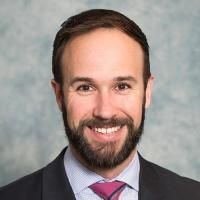
William Edwards Bynum
· Associate Professor in Family Medicine and Community HealthDuke University · Family Medicine and Community Health
Active 1969–2025
Academic metrics are sourced from OpenAlex and public funding records; values may differ from Google Scholar.
About
William Edwards Bynum is a Professor in the Department of Family Medicine and Community Health at Duke University. His role involves teaching, research, and community health initiatives within the department. Specific details about his research focus, background, or key contributions are not provided on the page.
Research topics
- Psychology
- Social psychology
- Psychotherapist
- Sociology
- Medicine
- Medical education
- Epistemology
Selected publications
‘I'm unworthy of being in this space’: The origins of shame in medical students
Medical Education · 2020 · 82 citations
1st authorCorrespondingOBJECTIVES: Shame results from a negative global self-evaluation and can have devastating effects. Shame research has focused primarily on graduate medical education, yet medical students are also susceptible to its occurrence and negative effects. This study explores the development of shame in medical students by asking: how does shame originate in medical students? and what events trigger and factors influence the development of shame in medical students? METHODS: The study was conducted usin…
Academic Medicine · 2021 · 51 citations
1st authorCorrespondingPURPOSE: Shame occurs when an individual blames a globally flawed self for a negative outcome. Much of the focus on shame in medical education has been directed toward graduate medical education with less recognition paid to shame occurring in medical school. In particular, while research has explored the triggers of medical students' shame, little is known about what shame feels like, what it makes an individual want to do, and what perceived effects it causes. Thus, this study asks: After sham…
Why impaired wellness may be inevitable in medicine, and why that may not be a bad thing
Medical Education · 2020 · 49 citations
1st authorCorrespondingCONTEXT: A wellness crisis exists among physicians and medical trainees. High rates of burnout, depression, stress and other states of impaired wellness have driven a sense of urgency to create solutions, and the medical education community has mobilised impressively. However, we argue-and data suggest-that this rush to find solutions has outpaced our efforts to more fully understand the nature of impaired wellness in medicine. This, we believe, has led to the implementation of solutions informe…
Academic Medicine · 2021-02-16 · 38 citations
letter1st authorCorrespondingIn this commentary, the authors draw on 2 personal accounts of mental illness published by Kirk J. Brower, MD, and Darrell G. Kirch, MD, in this issue to consider how and why mental health stigma is maintained in medical education. In particular, they explore how perfectionism, power differentials, and structural forces drive mental illness stigma in medical education. They argue that mental health stigma in medical education, while deeply embedded in the physician archetype and medical culture,…
Professional identity struggle and ideology: A qualitative study of residents' experiences
Medical Education · 2023-06-03 · 37 citations
articleOpen accessINTRODUCTION: To enter a profession is to take on a new identity. Professional identity formation can be difficult, with medical learners struggling to adopt professional norms. The role of ideology in medical socialisation may offer insight into these tensions experienced by medical learners. Ideology is the system of ideas and representations that dominates the minds of individuals or social groups and calls individuals into certain ways of being and acting in the world. In this study, we use…
Frequent coauthors
- 31 shared
Daniel A. Hashimoto
University of the Sciences
- 20 shared
Michael Maguire
- 18 shared
Lara Varpio
University of Pennsylvania
- 16 shared
Kathleen M. McKenna
- 12 shared
Anthony R. Artino
George Washington University
- 12 shared
Ajit K. Sachdeva
American College of Surgeons
- 9 shared
Taha M. Haque
Alexander T. Augusta Military Medical Center
- 9 shared
Keith D. Lillemoe
Yahoo (United Kingdom)
Similar researchers at Duke University
- Resume-aware match score
- Save to shortlist
- AI-drafted outreach
See your match with William Edwards Bynum
PhdFit ranks faculty by your research interests, methods, and publications — grounded in their actual work, not templates.
- Free to start
- No credit card
- 30-second signup