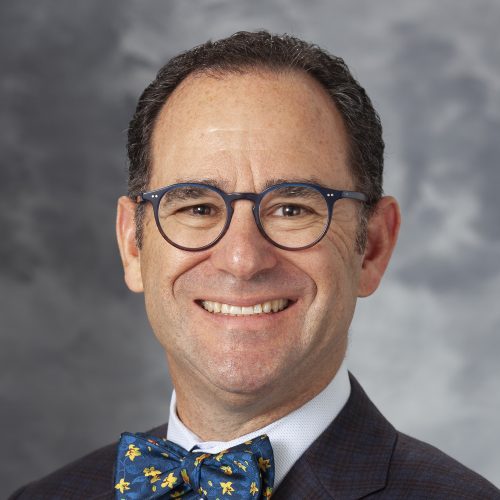
Shaoqin (Sarah) Gong
· Vilas Distinguished ProfessorVerifiedUniversity of Wisconsin-Madison · Ophthalmology and Visual Sciences
Active 1988–2025
About
Shaoqin (Sarah) Gong, PhD, is a professor at the University of Wisconsin–Madison with over 20 years of experience as a scientist, researcher, and educator. Since 2010, she has held appointments in the UW Department of Biomedical Engineering and the Wisconsin Institute for Discovery, and recently joined the UW Department of Ophthalmology and Visual Sciences (DOVS) faculty. Gong's research spans a diverse range of topics including cancer immunotherapy, CRISPR genome editing, and targeted drug delivery, with a particular focus on developing new biotechnologies to improve human health, including vision. Her laboratory specializes in creating multifunctional nanoparticles that serve as tiny carriers for diagnosing and treating diseases, impacting not only eye diseases but also vascular, brain, liver, lung diseases, and cancer. Gong is a prolific collaborator across campus, working closely with DOVS faculty such as David Gamm, MD, PhD, on projects ranging from tissue engineering scaffolds to gene therapy. Notably, her lab helped develop an implantable photoreceptor patch to deliver new photoreceptor cells derived from human stem cells to the retina. She has also partnered with Gamm and Bikash Pattnaik, PhD, to explore CRISPR gene editing approaches for treating inherited eye diseases like Leber congenital amaurosis. Additional collaborations include work with Robert Nickells, PhD, Olachi Mezu-Ndubuisi, MD, and an upcoming project with Curtis Brandt, PhD. Gong expresses enthusiasm for expanding her research within the department, emphasizing the complexity of the eye and her interest in advancing understanding and treatment of eye diseases. Among her recent achievements, Gong was part of an interdisciplinary team awarded the Wisconsin Alumni Research Foundation (WARF) Innovator award for their project on enhancing cancer treatment. The team engineered multifunctional nanoparticles designed to be injected into irradiated tumors to stimulate a stronger immune response, thereby improving the effectiveness of combined radiation and immunotherapy. This innovation aims to create longer-lasting remissions and potential cures for advanced cancers. Gong's work exemplifies a commitment to translational research that bridges engineering, biology, and medicine to develop novel therapeutic strategies.
Research topics
- Biochemistry
- Computer Science
- Biology
- Medicine
- Immunology
- Pharmacology
- Data science
- Cancer research
- Chemistry
- Materials science
- Genetics
- Microbiology
- Computational biology
Selected publications
bioRxiv (Cold Spring Harbor Laboratory) · 2025-03-14
preprintOpen accessAfter administering genome editors, their efficiency is limited by a multi-step process involving cellular uptake, trafficking, and nuclear import of the vector and its payload. These processes vary widely across cell types and differ depending on the nature and structure of the vector, whether it is a lipid nanoparticle or a different synthetic material. We developed a novel genome-wide CRISPR screening strategy to better understand these limitations within human cells to identify genes modulating cellular uptake, payload delivery, and gene editing efficiency. Our screen interrogates the cellular processes controlling genome editing by Cas-based nuclease and base editing strategies in human cells. We designed a genome-wide screen targeting 19,114 genes in HEK293 cells, and we identified six genes whose knockout increased nonviral editing efficiency in human cells by up to five-fold. Further validation through arrayed knockouts of the top hits from our screen boosted the editing efficiency from 5% to 50% when Cas9 was delivered via lipid-based nanoparticles. By designing the guides to target the screen library cassette, we could accurately track the library sgRNA identity and the editing outcome on the same amplicon via short-read sequencing, enabling the identification of rare outcomes via 'computationally' sorting edited from unedited cells within a heterogenous pool of >200M cells. In patient-derived human retinal pigment epithelium cells derived from pluripotent stem cells, BET1L, GJB2, and MS4A13 gene knockouts increased targeted genome editing by over five-fold. We anticipate that this high-throughput screening approach will facilitate the systematic engineering of novel nonviral genome editing delivery methods, where the identified novel gene hits can be further used to increase editing efficiency for other therapeutically relevant cell types.
bioRxiv (Cold Spring Harbor Laboratory) · 2024-02-23
preprintOpen accessCorrespondingAbstract Endovascular interventions often fail due to restenosis, primarily caused by smooth muscle cell (SMC) proliferation, leading to intimal hyperplasia (IH). Current strategies to prevent restenosis are far from perfect and impose significant collateral damage on the fragile endothelial cell (EC), causing profound thrombotic risks. Nicotinamide adenine dinucleotide (NAD + ) is a co-enzyme and signaling substrate implicated in redox and metabolic homeostasis, with a pleiotropic role in protecting against cardiovascular diseases. However, a functional link between NAD + repletion and the delicate duo of IH and EC regeneration has yet to be established. NAD + repletion has been historically challenging due to its poor cellular uptake and low bioavailability. We have recently invented the first nanocarrier that enables direct intracellular delivery of NAD + in vivo . Combining the merits of this prototypic NAD + -loaded calcium phosphate (CaP) nanoparticle (NP) and biomimetic surface functionalization, we created a biomimetic P-NAD + -NP with platelet membrane coating, which enabled an injectable modality that targets IH with excellent biocompatibility. Using human cell primary culture, we demonstrated the benefits of NP-assisted NAD + repletion in selectively inhibiting the excessive proliferation of aortic SMC, while differentially protecting aortic EC from apoptosis. Moreover, in a rat balloon angioplasty model, a single-dose treatment with intravenously injected P-NAD + -NP immediately post angioplasty not only mitigated IH, but also accelerated the regeneration of EC (re-endothelialization) in vivo in comparison to control groups (i.e., saline, free NAD + solution, empty CaP-NP). Collectively, our current study provides proof-of-concept evidence supporting the role of targeted NAD + repletion nanotherapy in managing restenosis and improving re-endothelialization.
Arteriosclerosis Thrombosis and Vascular Biology · 2024-05-01
articleIntroduction: Open vascular reconstructions (OVR), such as bypass grafts and dialysis access, are commonly performed to treat cardiovascular and renal diseases. Unfortunately, OVR often fail, largely due to intimal hyperplasia (IH), and there are no clinical methods to prevent the failure. OVR provide accessibility to the graft surface, hence an opportunity for perivascular drug delivery to suppress IH. However, drug release generally lasts for limited time whereas long-term efficacy is important for clinical success. Goals: We addressed a prominent question in clinical translation: can IH suppression be realistically sustained for a long term (longer than 6 months) via shorter-term perivascular interventions? Methods: We applied Pericelle, a nanoparticle+hydrogel system for perivascular delivery of the IH-mitigating drug rapamycin, to a modified rat vein-graft model that exhibits long-term IH progression. Results: IH was reduced throughout 3, 6, and 9 months, as indicated by morphometry (115.58±27.89 to 40.34±5.18 at 9 months) and ultrasonography (Fig 1), although rapamycin release was estimated to be around 3 months. Pericelle also mitigated IH in porcine arteriovenous fistulas (Fig 2). Conclusions: Suppression of vein-graft IH can be sustained much beyond drug release; Pericelle provides a potential strategy for reducing OVR failure. We thank Dr. Keith Ozaki and Dr. Prabir Roy-Chaudhury for instructions on models.
Bioactive Materials · 2024-10-13 · 1 citations
articleOpen accessCorrespondingOpen vascular reconstructions (OVR), including bypass grafts and dialysis access, are standard treatments for cardiovascular and renal diseases. Unfortunately, OVR often fail largely due to intimal hyperplasia (IH), and there are no clinical methods to prevent this complication. Perivascular drug administration during OVR presents a promising strategy for IH suppression. However, durations of drug release from carriers are generally short whereas sustained efficacy is essential for clinical success. This raises a critical question in clinical translation: can IH suppression be realistically maintained long-term (e.g., over 6 months) with short-term perivascular interventions? To address this question, we modified a rat vein-graft model to prolong IH progression. We then applied Pericelle, a nanoparticle/hydrogel hybrid system that we developed for perivascular delivery of rapamycin, an established IH-inhibitory drug. Surprisingly, despite short (∼3-month) drug release, Pericelle demonstrated IH suppression throughout 3, 6, and 9 months with IH reduced from 115.58 ± 27.89 to 40.34 ± 5.18 at 9 months (P < 0.05, n = 6 rats), as indicated by morphometric analysis. Live animal ultrasonography showed the same trend. Consistently, histone-3 lysine-27 trimethylation, an epigenetic mark associated with IH progression, was decreased at 6 months after Pericelle treatment. Moreover, Pericelle exhibited promising efficacy in mitigating IH in a porcine model of arteriovenous fistula that mimics dialysis access. These results suggest that Pericelle-mediated suppression of IH in rat vein-grafts extends much beyond drug release, offering potential solutions to longstanding translational challenges in reducing OVR failure. • Vein grafts often fail due to stenosis, with effective clinical prevention methods still lacking. • A key question is, can short-term drug release sustain long-term efficacy? • We addressed this with a nanoparticle/hydrogel hybrid system for perivascular drug delivery. • Results indicate sustained anti-stenotic effects for 9 months, despite ∼3-month drug release. • This hybrid system could bridge translational gaps by providing extended efficacy. Synopsis, Bypass vein-grafts often fail due to neointimal hyperplasia (IH). A critical gap exists in translating IH-mitigating methods to long-term efficacy. It is preconceived that IH mitigation wanes once drug release ends. Surprisingly, our nanoparticle-based perivascular treatment sustained IH suppression for 9 months despite ∼3-month drug release. Our findings highlight the potential for bridging the translational gap by achieving prolonged efficacy to address vein-graft failure.
Journal of Controlled Release · 2024-11-01 · 4 citations
articleOpen accessCorrespondingMultimodal nanoimmunotherapy engages neutrophils to eliminate Staphylococcus aureus infections
Nature Nanotechnology · 2024-04-17 · 87 citations
articleOpen accessSenior authorJVS Vascular Science · 2024-01-01
articleOpen accessBiomaterials · 2023-07-13 · 6 citations
articleOpen accessCorrespondingBioactive Materials · 2023-02-21 · 17 citations
articleOpen accessAbdominal aortic aneurysm (AAA) is a progressive aortic dilatation, causing ∼80% mortality upon rupture. Currently, there is no approved drug therapy for AAA. Surgical repairs are invasive and risky and thus not recommended to patients with small AAAs which, however, account for ∼90% of the newly diagnosed cases. It is therefore a compelling unmet clinical need to discover effective non-invasive strategies to prevent or slow down AAA progression. We contend that the first AAA drug therapy will only arise through discoveries of both effective drug targets and innovative delivery methods. There is substantial evidence that degenerative smooth muscle cells (SMCs) orchestrate AAA pathogenesis and progression. In this study, we made an exciting finding that PERK, the endoplasmic reticulum (ER) stress Protein Kinase R-like ER Kinase, is a potent driver of SMC degeneration and hence a potential therapeutic target. Indeed, local knockdown of PERK in elastase-challenged aorta significantly attenuated AAA lesions in vivo. In parallel, we also conceived a biomimetic nanocluster (NC) design uniquely tailored to AAA-targeting drug delivery. This NC demonstrated excellent AAA homing via a platelet-derived biomembrane coating; and when loaded with a selective PERK inhibitor (PERKi, GSK2656157), the NC therapy conferred remarkable benefits in both preventing aneurysm development and halting the progression of pre-existing aneurysmal lesions in two distinct rodent models of AAA. In summary, our current study not only establishes a new intervention target for mitigating SMC degeneration and aneurysmal pathogenesis, but also provides a powerful tool to facilitate the development of effective drug therapy of AAA.
Guanidinium-Rich Lipopeptide-Based Nanoparticle Enables Efficient Gene Editing in Skeletal Muscles
ACS Applied Materials & Interfaces · 2023-02-17 · 22 citations
articleSenior authorCorrespondingGenome editing mediated by the CRISPR-Cas system holds great promise for the treatment of genetic diseases. However, safe and efficient in vivo delivery of CRISPR genome editing machinery remains a challenge. Here, we report a lipopeptide-based nanoparticle (LNP) that can efficiently deliver the CRISPR Cas9/sgRNA ribonucleoprotein (RNP) and enable efficient genome editing both in vitro and in vivo. An artificial lipopeptide, GD-LP, was constructed by linking a hydrophilic guanidinium-rich head to an oleic acid-based hydrophobic tail via a disulfide bond. LNP formed by the self-assembly of GD-LP can easily form a complex with RNP with a loading content of up to 20 wt %. The resulting RNP-LNP nanocomplex led to 72.6% gene editing efficiency in GFP-HEK cells with negligible cytotoxicity. The LNP also showed significantly higher transfection efficiencies than Lipofectamine 2000 for the delivery of mRNA in NIH 3T3 and RAW 264.7 and the delivery of plasmid DNA in B78 cells. In vivo studies showed that intramuscular injection of the RNP-LNP nanocomplex in Ai14 mice induced efficient gene editing in muscular tissues. Moreover, the delivery of Cas9 RNP and donor DNA by LNP (i.e., RNP/ssODN-LNP nanocomplex) restored dystrophin expression, reduced skeletal muscle fibrosis, and significantly improved muscle strength in a Duchenne muscular dystrophy (DMD) mouse model.
Recent grants
Multifunctional Unimolecular Micelles for Targeted Cancer Therapy
NSF · $375k · 2010–2014
Enabling Nanoplatforms for Targeted in vivo Delivery of CRISPR/Cas9 Ribonucleoproteins in the Brain
NIH · $1.5M · 2018–2021
Restoring Vision with High-Fidelity Nonsense Codon Correction
NIH · $7.8M · 2021–2026
NIH · $2.4M · 2018–2023
Enabling Nanoplatforms for Targeted in vivo Delivery of CRISPR/Cas9 Ribonucleoproteins in the Brain
NIH · $752k · 2018–2021
Frequent coauthors
- 171 shared
Yuyuan Wang
Soochow University
- 162 shared
Ruosen Xie
- 117 shared
Guojun Chen
- 89 shared
Qifeng Zheng
South China Normal University
- 82 shared
Zhenqiang Ma
- 61 shared
Yi Zhao
Xi'an Jiaotong University
- 61 shared
Srikanth Pilla
University of Delaware
- 57 shared
Nisakorn Yodsanit
Labs
Gong LabPI
Education
- 2006
Ph.D., Ophthalmology and Visual Sciences
University of Wisconsin-Madison
- 2000
M.D., Ophthalmology
University of Wisconsin-Madison
- 1996
B.S., Biology
University of Wisconsin-Madison
Awards & honors
- Advancing Vision Science Professorship, 2021–Present
- Retina Research Foundation Edwin and Dorothy Gamewell Profes…
- Wisconsin Alumni Research Foundation Innovation Award, 2021
- Draper Technology Innovation Fund Award, University of Wisco…
- Kellett Mid-Career Award, University of Wisconsin–Madison, 2…
- Resume-aware match score
- Save to shortlist
- AI-drafted outreach
See your match with Shaoqin (Sarah) Gong
PhdFit ranks faculty by your research interests, methods, and publications — grounded in their actual work, not templates.
- Free to start
- No credit card
- 30-second signup