
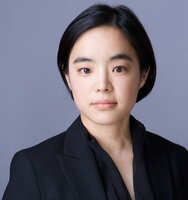
Sangjin Kim
· Assistant ProfessorUniversity of Illinois Urbana-Champaign · Biophysics & Quantitative Biology
Active 1993–2026
Academic metrics are sourced from OpenAlex and public funding records; values may differ from Google Scholar.
About
Sangjin Kim is an Assistant Professor in the Departments of Physics and Biomedical and Translational Sciences at the University of Illinois. He is also an affiliate of the Carl R. Woese Institute for Genomic Biology. His research focuses on the molecular biology and biophysics of RNA, particularly investigating the mechanisms of transcription and mRNA kinetics in bacterial systems such as Escherichia coli and Caulobacter crescentus. Kim's work involves studying RNA-dependent RNA polymerase, reverse transcriptase, RNA polymerase, and DNA supercoiling, with an emphasis on understanding gene synthesis and transcription dynamics. His research employs advanced techniques including single-particle tracking, fluorescence microscopy, and single-molecule fluorescence in situ hybridization to probe the spatial and temporal kinetics of mRNA. Kim has contributed to the understanding of how DNA supercoiling influences collective modes of gene synthesis and how transcription processes are coordinated with mRNA decay and translation. He has been recognized with honors such as the Searle Scholar Award in 2020 and the Kavli Frontiers of Science Fellowship in 2022.
Research topics
- Biology
- Cancer research
- Medicine
- Internal medicine
- Immunology
- Biochemistry
- Endocrinology
- Cell biology
Selected publications
FOXM1 regulates glycolysis and energy production in multiple myeloma
Oncogene · 2022 · 56 citations
The transcription factor, forkhead box M1 (FOXM1), has been implicated in the natural history and outcome of newly diagnosed high-risk myeloma (HRMM) and relapsed/refractory myeloma (RRMM), but the mechanism with which FOXM1 promotes the growth of neoplastic plasma cells is poorly understood. Here we show that FOXM1 is a positive regulator of myeloma metabolism that greatly impacts the bioenergetic pathways of glycolysis and oxidative phosphorylation (OxPhos). Using FOXM1-deficient myeloma cells…
Cancers · 2020 · 41 citations
Metastasis-related complications account for the overwhelming majority of breast cancer mortalities. Triple negative breast cancer (TNBC), the most aggressive breast cancer subtype, has a high propensity to metastasize to distant organs, leading to poor patient survival. The forkhead transcription factor, FOXM1, is especially upregulated and overexpressed in TNBC and is known to regulate multiple signaling pathways that control many key cancer properties, including proliferation, invasiveness, s…
Contrasting activities of estrogen receptor beta isoforms in triple negative breast cancer
Breast Cancer Research and Treatment · 2020 · 33 citations
Nature Communications · 2023-08-17 · 22 citations
articleOpen accessThe estrogen receptor (ER) designated ERα has actions in many cell and tissue types that impact glucose homeostasis. It is unknown if these include mechanisms in endothelial cells, which have the potential to influence relative obesity, and processes in adipose tissue and skeletal muscle that impact glucose control. Here we show that independent of impact on events in adipose tissue, endothelial ERα promotes glucose tolerance by enhancing endothelial insulin transport to skeletal muscle. Endothe…
NB compounds are potent and efficacious FOXM1 inhibitors in high-grade serous ovarian cancer cells
Journal of Ovarian Research · 2024-05-04 · 10 citations
articleOpen accessBACKGROUND: Genetic studies implicate the oncogenic transcription factor Forkhead Box M1 (FOXM1) as a potential therapeutic target in high-grade serous ovarian cancer (HGSOC). We evaluated the activity of different FOXM1 inhibitors in HGSOC cell models. RESULTS: We treated HGSOC and fallopian tube epithelial (FTE) cells with a panel of previously reported FOXM1 inhibitors. Based on drug potency, efficacy, and selectivity, determined through cell viability assays, we focused on two compounds, NB-…
Frequent coauthors
- 78 shared
John A. Katzenellenbogen
University of Illinois Urbana-Champaign
- 57 shared
Benita S. Katzenellenbogen
University of Illinois Urbana-Champaign
- 28 shared
Yvonne Ziegler
University of Illinois Urbana-Champaign
- 20 shared
Valeria Sanabria Guillen
- 19 shared
Jian Min
Hubei University
- 16 shared
K.W. Nettles
Scripps Research Institute
- 15 shared
Kathryn E. Carlson
University of Illinois Urbana-Champaign
- 14 shared
Shunchao Yan
China Medical University
Labs
Kim LabPI
Awards & honors
- Searle Scholar (2020)
Similar researchers at University of Illinois Urbana-Champaign
- Resume-aware match score
- Save to shortlist
- AI-drafted outreach
See your match with Sangjin Kim
PhdFit ranks faculty by your research interests, methods, and publications — grounded in their actual work, not templates.
- Free to start
- No credit card
- 30-second signup