
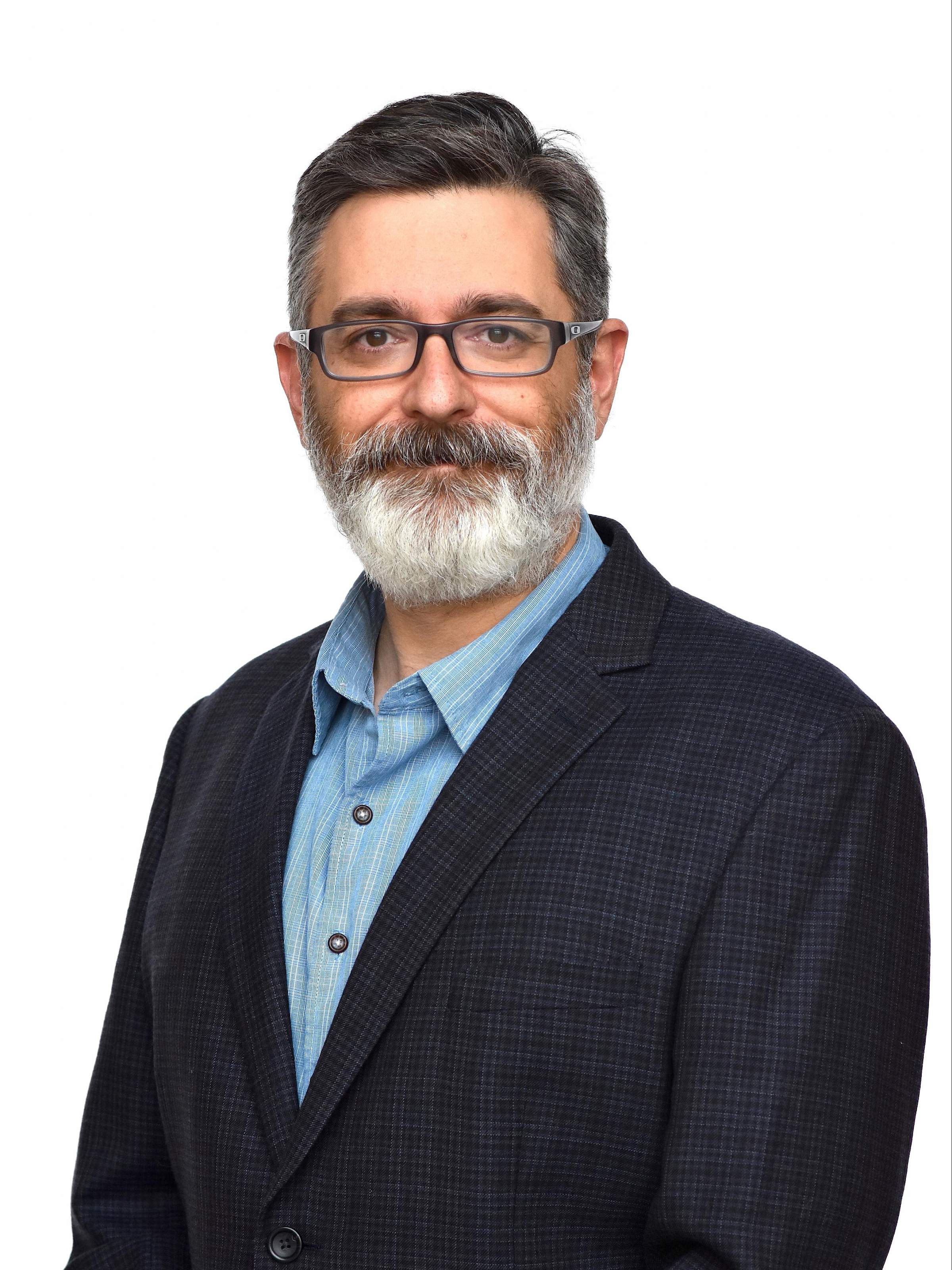
Peter J. West
· Research Associate Professor, Pharmacology and ToxicologyUniversity of Utah · Department of Pharmacology & Toxicology
Active 1965–2026
Academic metrics are sourced from OpenAlex and public funding records; values may differ from Google Scholar.
About
Dr. Peter J. West is a faculty member associated with the Anticonvulsant Drug Development (ADD) Program at the University of Utah College of Pharmacy. His research involves projects related to epilepsy and seizure disorders, including work on the Controlled Cortical Impact Post Traumatic Epilepsy slice electrophysiology project. Dr. West mentors undergraduate researchers who have received University Research Opportunity Program (UROP) awards to support their work on epilepsy-related studies. His lab contributes to the longstanding ADD Program, which has been a national model for epilepsy research since its founding in 1975 and is the longest-running NIH-funded program of its kind. The program focuses on discovery and development of anticonvulsant drugs to improve the lives of people living with epilepsy and seizure disorders.
Research topics
- Medicine
- Internal medicine
- Pharmacology
- Psychiatry
- Anesthesia
- Neuroscience
- Pediatrics
- Psychology
Selected publications
Neurology · 2021 · 49 citations
and other patterning genes are involved in HH pathogenesis. About 50%-80% of children with HH have severe rage and aggression and a majority of patients exhibit externalizing disorders. Behavioral disruption and intellectual disability may predate epilepsy. Neuropsychological, sleep, and endocrine disorders are typical. The purpose of this article is to provide a summary of the current understanding of HH and to highlight opportunities for future research.
Epilepsia · 2021 · 46 citations
OBJECTIVE: mouse. METHODS: mice had seizures. RESULTS: survive to adulthood and all have hyperthermia-induced seizures. The results suggest that hyperthermia-induced seizures in this model of DS are highly refractory to a battery of ASDs. Exceptions were clobazam, tiagabine, levetiracetam, and the combination of clobazam and valproic acid with add-on stiripentol, which elevated seizure thresholds. SIGNIFICANCE: Overall, the data demonstrate that the proposed model for DS is suitable for screenin…
Experimental Neurology · 2021 · 34 citations
1st authorCorrespondingThe discovery and development of novel antiseizure drugs (ASDs) that are effective in controlling pharmacoresistant spontaneous recurrent seizures (SRSs) continues to represent a significant unmet clinical need. The Epilepsy Therapy Screening Program (ETSP) has undertaken efforts to address this need by adopting animal models that represent the salient features of human pharmacoresistant epilepsy and employing these models for preclinical testing of investigational ASDs. One such model that has…
Evaluation of subchronic administration of antiseizure drugs in spontaneously seizing rats
Epilepsia · 2020 · 32 citations
OBJECTIVE: Approximately 30% of patients with epilepsy do not experience full seizure control on their antiseizure drug (ASD) regimen. Historically, screening for novel ASDs has relied on evaluating efficacy following a single administration of a test compound in either acute electrical or chemical seizure induction. However, the use of animal models of spontaneous seizures and repeated administration of test compounds may better differentiate novel compounds. Therefore, this approach has been i…
Epilepsia Open · 2021-10-20 · 28 citations
articleOpen accessOBJECTIVE: Infection with Theiler's murine encephalomyelitis virus (TMEV) in C57Bl/6J mice results in handling-induced seizures and is useful for evaluating compounds effective against infection-induced seizures. However, to date only a few compounds have been evaluated in this model, and a comprehensive study of antiseizure medications (ASMs) has not yet been performed. Furthermore, as the TMEV infection produces marked neuroinflammation, an evaluation of prototype anti-inflammatory compounds i…
Frequent coauthors
- 23 shared
Karen S. Wilcox
University of Utah
- 22 shared
Erica Webster
Université de Montréal
- 22 shared
J. Helen Cross
Epilepsy Research UK
- 22 shared
Clifford B. Saper
Hadassah Medical Center
- 22 shared
Lisa Soeby
Université de Montréal
- 22 shared
William D. Gaillard
George Washington University Hospital
- 22 shared
Arthur Cukiert
- 22 shared
Andreas Schulze‐Bonhage
Stichting Epilepsie Instellingen Nederland
Labs
ADD LabPI
The ADD Program Students page at the University of Utah showcases students involved in addiction, delirium, and CNS disorders research, highlighting their academic pursuits and contributions to the field.
Similar researchers at University of Utah
- Resume-aware match score
- Save to shortlist
- AI-drafted outreach
See your match with Peter J. West
PhdFit ranks faculty by your research interests, methods, and publications — grounded in their actual work, not templates.
- Free to start
- No credit card
- 30-second signup