About
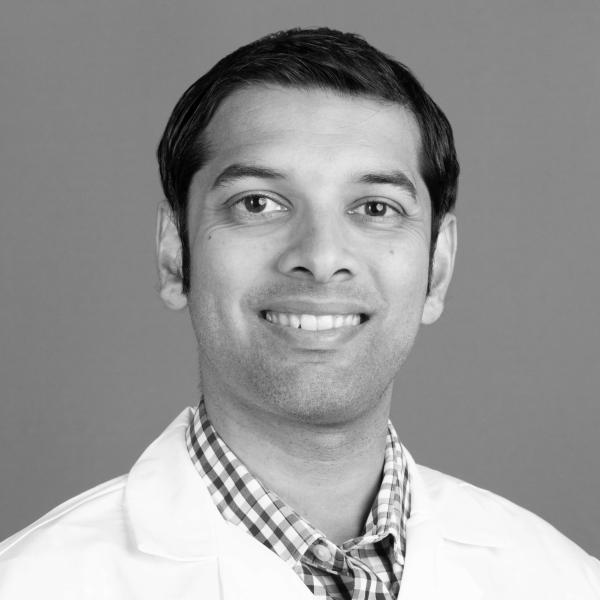
Michael R. Bishop, MD, is a Professor of Medicine at the University of Chicago within the Department of Medicine. His clinical interests encompass allogeneic and autologous stem cell transplantation, bone marrow transplant, CAR T cell therapy, cellular therapy, immunotherapy, lymphoma, and outpatient blood and bone marrow stem cell transplantation. His research focuses on evaluating in vivo CAR transgene levels in patients treated with tisagenlecleucel for relapsed/refractory B-ALL and DLBCL, as well as exploring the usefulness and limitations of PCR for diagnosing and managing toxoplasmosis following allogeneic hematopoietic cell transplant. Additionally, his work includes investigating intrathecal chemotherapy for CAR T-cell-associated neurotoxicity, the role of type I interferon signaling in CAR T-cell treatment efficacy, and the differentiation processes of CD8+ CAR T-cells in large B-cell lymphoma. Dr. Bishop has contributed to the understanding of CAR T-cell therapy outcomes, including long-term analyses in B-cell acute lymphoblastic leukemia and large B-cell lymphoma, and has been involved in real-world analyses of cell therapy products. His research aims to improve therapeutic strategies and outcomes for hematologic malignancies and transplant patients.
Research topics
- Medicine
- Internal medicine
- Oncology
- Immunology
- Biology
- Surgery
- Intensive care medicine
- Mathematics
- Gastroenterology
- Pathology
- Genetics
- Cancer research
Selected publications
Allogeneic hematopoietic stem cell transplant outcomes in adults with inherited myeloid malignancies
Blood Advances · 2022 · 47 citations
- Medicine
- Immunology
- Oncology
There is increasing recognition that pathogenic germ line variants drive the development of hematopoietic cancers in many individuals. Currently, patients with hereditary hematologic malignancies (HHMs) receive similar standard therapies and hematopoietic stem cell transplant (HSCT) approaches as those with sporadic disease. We hypothesize that patients with myeloid malignancies and deleterious germ line predisposition variants have different posttransplant outcomes than those without such alleles. We studied 472 patients with myeloid neoplasms, of whom 26% had deleterious germ line variants and 34% underwent HSCT. Deleterious germ line variants in CHEK2 and DDX41 were most commonly seen in American and Australian cohorts, respectively. Patients with deleterious germ line DDX41 variants had a higher incidence of severe (stage 3-4) acute graft-versus-host disease (GVHD) (38%) than recipients with deleterious CHEK2 variants (0%), other HHM variants (12%), or patients without such germ line variants (9%) (P = .002). Importantly, the use of posttransplant cyclophosphamide reduced the risk of severe acute GVHD in patients receiving HSCT for deleterious germ line DDX41-associated myeloid neoplasms (0% vs 53%, P = .03). Based on these results, we advocate the use of posttransplant cyclophosphamide when individuals with deleterious germ line DDX41 variants undergo allogeneic HSCT for myeloid malignancies, even when transplantation has been performed using wild-type donors.
Blood · 2021 · 25 citations
- Medicine
- Immunology
- Cancer research
Second-Line Tisagenlecleucel or Standard Care in Aggressive B-Cell Lymphoma
New England Journal of Medicine · 2021 · 509 citations
1st authorCorresponding- Medicine
- Internal medicine
- Mathematics
BACKGROUND: Patient outcomes are poor for aggressive B-cell non-Hodgkin's lymphomas not responding to or progressing within 12 months after first-line therapy. Tisagenlecleucel is an anti-CD19 chimeric antigen receptor T-cell therapy approved for diffuse large B-cell lymphoma after at least two treatment lines. METHODS: We conducted an international phase 3 trial involving patients with aggressive lymphoma that was refractory to or progressing within 12 months after first-line therapy. Patients were randomly assigned to receive tisagenlecleucel with optional bridging therapy (tisagenlecleucel group) or salvage chemotherapy and autologous hematopoietic stem-cell transplantation (HSCT) (standard-care group). The primary end point was event-free survival, defined as the time from randomization to stable or progressive disease at or after the week 12 assessment or death. Crossover to receive tisagenlecleucel was allowed if a defined event occurred at or after the week 12 assessment. Other end points included response and safety. RESULTS: A total of 322 patients underwent randomization. At baseline, the percentage of patients with high-grade lymphomas was higher in the tisagenlecleucel group than in the standard-care group (24.1% vs. 16.9%), as was the percentage with an International Prognostic Index score (range, 0 to 5, with higher scores indicating a worse prognosis) of 2 or higher (65.4% vs. 57.5%). A total of 95.7% of the patients in the tisagenlecleucel group received tisagenlecleucel; 32.5% of the patients in the standard-care group received autologous HSCT. The median time from leukapheresis to tisagenlecleucel infusion was 52 days. A total of 25.9% of the patients in the tisagenlecleucel group had lymphoma progression at week 6, as compared with 13.8% of those in the standard-care group. The median event-free survival in both groups was 3.0 months (hazard ratio for event or death in the tisagenlecleucel group, 1.07; 95% confidence interval, 0.82 to 1.40; P = 0.61). A response occurred in 46.3% of the patients in the tisagenlecleucel group and in 42.5% in the standard-care group. Ten patients in the tisagenlecleucel group and 13 in the standard-care group died from adverse events. CONCLUSIONS: Tisagenlecleucel was not superior to standard salvage therapy in this trial. Additional studies are needed to assess which patients may obtain the most benefit from each approach. (Funded by Novartis; BELINDA ClinicalTrials.gov number, NCT03570892.).
The Lancet · 2021 · 755 citations
- Medicine
- Internal medicine
- Gastroenterology
Biology of Blood and Marrow Transplantation · 2020 · 31 citations
- Medicine
- Internal medicine
- Oncology
Treatment options are limited for patients with hematologic malignancies who relapse after allogeneic stem cell transplantation (allo-SCT). We conducted a pilot study to assess the tolerability and efficacy of low-dose nivolumab, a PD-1 inhibitor, as maintenance therapy after allo-SCT. Of the 4 patients enrolled in the study, all rapidly developed immune-related adverse events (irAEs); 2 patients experienced serious adverse events, including grade 4 neutropenia and grade 3 autoimmune encephalopathy. As a result of these unexpected severe toxicities, the study was closed to further enrollment. Even at low doses, nivolumab maintenance in the post allo-SCT setting can cause serious irAEs beyond graft-versus-host disease, and further studies of dosage and timing after allo-SCT are needed.
Journal for ImmunoTherapy of Cancer · 2020 · 265 citations
- Medicine
- Immunology
- Intensive care medicine
Immune effector cell (IEC) therapies offer durable and sustained remissions in significant numbers of patients with hematological cancers. While these unique immunotherapies have improved outcomes for pediatric and adult patients in a number of disease states, as 'living drugs,' their toxicity profiles, including cytokine release syndrome (CRS) and immune effector cell-associated neurotoxicity syndrome (ICANS), differ markedly from conventional cancer therapeutics. At the time of article preparation, the US Food and Drug Administration (FDA) has approved tisagenlecleucel, axicabtagene ciloleucel, and brexucabtagene autoleucel, all of which are IEC therapies based on genetically modified T cells engineered to express chimeric antigen receptors (CARs), and additional products are expected to reach marketing authorization soon and to enter clinical development in due course. As IEC therapies, especially CAR T cell therapies, enter more widespread clinical use, there is a need for clear, cohesive recommendations on toxicity management, motivating the Society for Immunotherapy of Cancer (SITC) to convene an expert panel to develop a clinical practice guideline. The panel discussed the recognition and management of common toxicities in the context of IEC treatment, including baseline laboratory parameters for monitoring, timing to onset, and pharmacological interventions, ultimately forming evidence- and consensus-based recommendations to assist medical professionals in decision-making and to improve outcomes for patients.
Recent grants
NIH · $544k
NIH · $544k
NIH · $725k
NIH · $1.2M
NIH · $999k
Frequent coauthors
- 113 shared
Daniel H. Fowler
National Cancer Institute
- 82 shared
Ronald E. Gress
National Cancer Institute
- 72 shared
Justin Kline
University of Chicago
- 64 shared
Andrew Artz
City of Hope
- 64 shared
Nancy M. Hardy
University of Mary
- 63 shared
Steven Z. Pavletic
National Cancer Institute
- 61 shared
Peter A. Riedell
University of Chicago
- 59 shared
Sergio Giralt
Memorial Sloan Kettering Cancer Center
Labs
Education
- 1985
MD
University of Illinois
Similar researchers at University of Chicago
- Resume-aware match score
- Save to shortlist
- AI-drafted outreach
See your match with Michael R. Bishop
PhdFit ranks faculty by your research interests, methods, and publications — grounded in their actual work, not templates.
- Free to start
- No credit card
- 30-second signup