
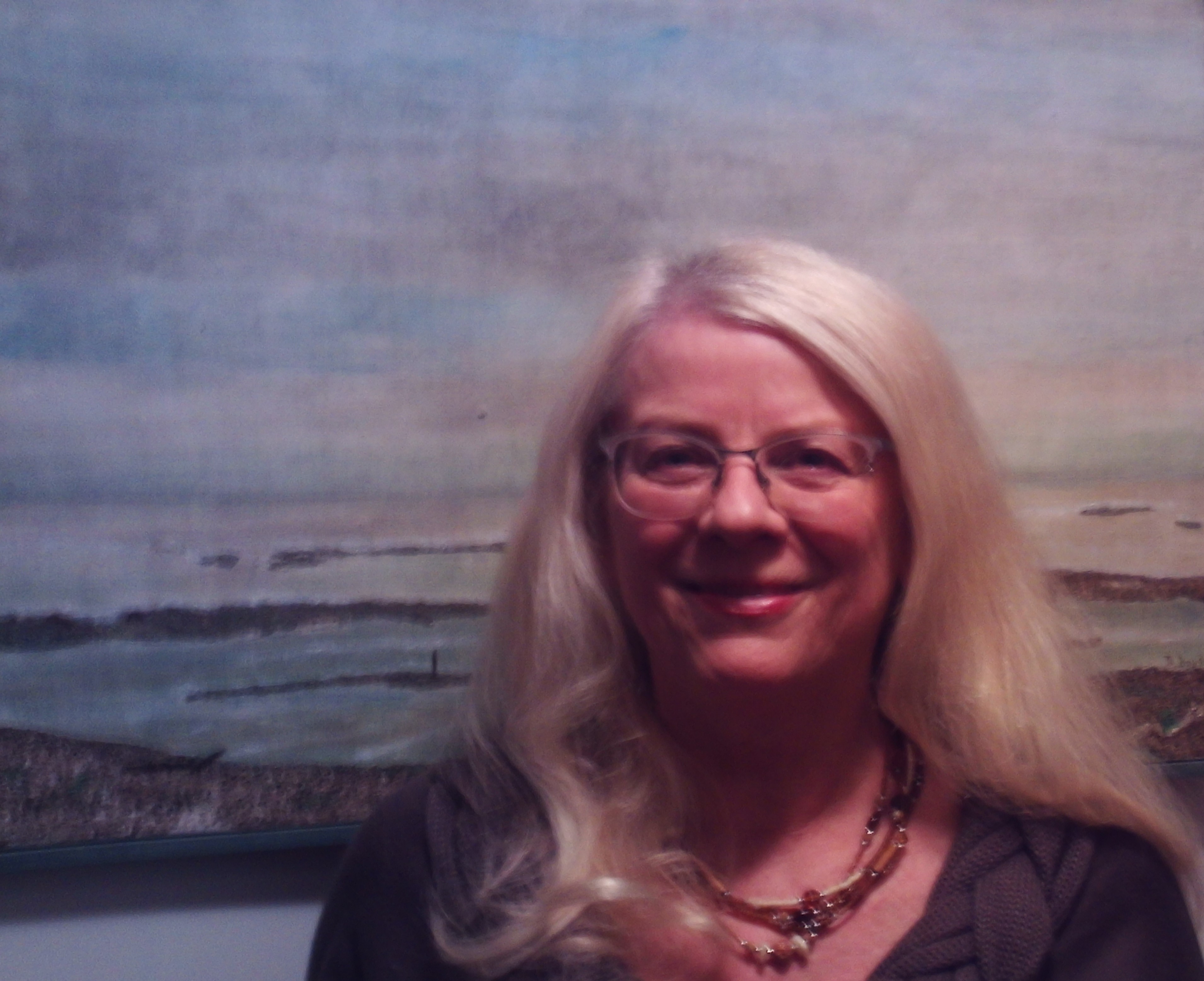
Beate I. Allert
· ProfessorPurdue University · SLC
Active 1987–2024
Academic metrics are sourced from OpenAlex and public funding records; values may differ from Google Scholar.
About
Beate I. Allert is a Professor of German and Comparative Literature at Purdue University, serving as the director of the Comparative Literature Program in the School of Interdisciplinary Studies. Her academic specialization includes German and Comparative Literature, with a focus on the 18th and 19th centuries, Enlightenment, Weimar Classicism, Romanticism, Hermeneutics, Critical Theory, Metaphor, Ekphrasis, Visual-Verbal Dynamics, Color Theories, and Film studies. She completed her M.A. and Ph.D. at the University of California Berkeley and her undergraduate studies at the Universität Tübingen in Germany. Her teaching career at Purdue began in 1991, and she has also taught at Mills College, Mount Holyoke College, the University of Bordeaux, and Universität Freiburg, where she directed the Purdue-Ohio-Indiana Universities Consortium. Her scholarly contributions include authoring five books on topics related to metaphor, visuality, comparative cinema, and German cultural figures such as J.G. Herder and G.E. Lessing. She has served as Chair of German at Purdue and held leadership roles in the International Herder Society, including Vice President and President. Her research interests encompass literature, the visual and performing arts, music, and film, with a particular emphasis on visual-verbal dynamics. She actively participates in study abroad programs, fosters international partnerships such as the Purdue-Freiburg University collaboration, and engages with organizations…
Research topics
- Artificial Intelligence
- History
- Political Science
- Sociology
- Art history
- Philosophy
- Computer Science
- Theology
- Psychology
- Art
Selected publications
J. W. Goethe and C. G. Carus: On the Representation of Nature in Science and Art
Goethe yearbook · 2016-01-01 · 2 citations
article1st authorCorrespondingJ. W. Goethe and C. G. Carus:On the Representation of Nature in Science and Art Beate Allert Carl Gustav Carus (1789–1869), scientist (doctor of medicine and surgeon) and painter, corresponded with Johann Wolfgang von Goethe (1749–1832) for some ten years, in particular between 1818 and 1828, when they exchanged not only letters and essays but also paintings and curious objects, including optical devices and drawings with commentaries about roots, bones, fossils, and other natural phenomena.1 In…
Goethe yearbook · 2012-01-01 · 2 citations
article1st authorCorresponding“Trübe” as the Source of New Color Formation in Goethe’s Late Works Entoptische Farben (1817–20) and Chromatik (1822) Beate Allert Ohne Durchscheinen giebts keine Farbe. Die durchscheinende Trübe ist und bleibt das Element aller Chroagenesie. (Goethe, FA 1.20:528) Much has been written about Goethe’s earlier didactic and polemical works on color.1 However, little attention has been paid to his late essays titled Entoptische Farben (1817–20) and Chromatik (1822), on which I shall focus in this es…
Nemesis in Herder's Approach to Time, or How “to Enjoy the Ocean in a Nutshell” *
2024-09-12
book-chapter1st authorCorrespondingThe chapter discusses how Herder provides in “Nemesis. An Educational Symbol”—an educational blueprint against the dominant belief in endless linear progress that comes with the restless yearning for human perfection. Herder’s unique approach to temporality draws attention to more realistic horizons and the need for pause, reflection, gestalt formations, and necessary endings. This approach has important consequences for ethics and aesthetics, including for accepting disability in society, envir…
The German Quarterly · 2023-06-01
articleOpen access1st authorCorrespondingTodd Kontje's book consists of six parts. The introduction provides a succinct, infomative, and entertainingly written history lesson about the 18th century that only on the surface looks as if it will be an “unabashed celebration of European cultural superiority” (51). Instead, it reveals itself to be a nuanced critique of such a point of view, based on Georg Forster's own interventions, especially when he translated and commented on Captain James Cook's posthumously published three-volume acco…
Routledge eBooks · 2023
1st authorCorrespondingAllert proceeds from the insights that 1) an individual’s ability to comprehend and contextualize images is linked to culturally engrained literary narratives, such as poems, songs, and legends; and 2) as James Elkin asserts, when one looks upon a work of art, that objects also gaze back at the subject. In early Romantic narratives, personal agents are often responsible for failures, mishaps, or accidents, whereas those of the later Romantics find fault with the uncontrollable power of forces th…
Frequent coauthors
- 3 shared
Lesley Sharpe
- 2 shared
Thomas P. Saine
- 2 shared
Birgit Joos
- 2 shared
Gerhart Hoffmeister
- 2 shared
Dennis F. Mahoney
- 1 shared
Alexander Košenina
- 1 shared
Florian Krobb
- 1 shared
Katharina Weisrock
Education
B.A., Anglistik & Germanistik & Grosses Latinum
Eberhard Karls Universität Tübingen
Ph.D
University of California at Berkeley
Awards & honors
- Global Synergy Grant for the International Herder Conference
- vice president and as president of the International Herder…
Similar researchers at Purdue University
- Resume-aware match score
- Save to shortlist
- AI-drafted outreach
See your match with Beate I. Allert
PhdFit ranks faculty by your research interests, methods, and publications — grounded in their actual work, not templates.
- Free to start
- No credit card
- 30-second signup