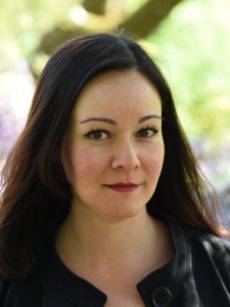
Aileen A Feng
· Associate Professor, Director of Italian StudiesUniversity of Arizona · Italian
Active 2012–2024
About
Aileen A. Feng is an Associate Professor and the Director of Italian Studies at the University of Arizona. She holds a Ph.D. from the University of California, Berkeley, obtained in 2008, and an M.A. from the University of Notre Dame, earned in 2002. Her academic specialization focuses on late-Medieval and Renaissance Italian literature, with comparative interests in Latin and Medieval-Renaissance French literature. Feng's research and teaching encompass literature and politics, Italian lyric poetry—particularly Petrarch—neo-Latin humanism of the Quattrocento period, Petrarchism in Italy and France, the Querelle des femmes, the Questione della lingua, Renaissance exemplarity, and early modern gender performativity. She has been recognized as a National Endowment for the Humanities Fellow at the Newberry Library in Chicago for 2023-2024 and as a Lila Wallace-Reader's Digest Fellow at Villa I Tatti, The Harvard University Center for Renaissance Studies, in Florence, Italy, during 2016-2017. Additionally, she is an external affiliate of the Center for Italian Studies at the University of Notre Dame. Feng has authored scholarly monographs, edited volumes, and numerous articles exploring themes related to gender, literature, and cultural history in the Renaissance period.
Research signals
Five dimensions sourced from public faculty / publication signals. Sign in to compare against your own profile and see your match score.
Research topics
- Medicine
- Biology
- Microbiology
- Cell biology
- Cancer research
- Genetics
- Biochemistry
- Oncology
- Immunology
- Internal medicine
Selected publications
LPS restores protective immunity in macrophages against Mycobacterium tuberculosis via autophagy
Molecular Immunology · 2020 · 16 citations
- Biology
- Microbiology
- Cell biology
Autophagy has been identified as an important immune regulatory mechanism. Recent studies have linked macrophage autophagy with innate immune responses against Mycobacterium tuberculosis (M. tuberculosis), which can survive within macrophages by blocking fusion of the phagosome with lysosomes. These findings suggest that autophagy is a regulatable cellular mechanism of M. tuberculosis defense in macrophages. Transcriptomic profiles in human blood in TB patients suggest that M. tuberculosis affects autophagy related pathways. In order to better understand the role of macrophage autophagy in enhancing protective immunity against M. tuberculosis, in this study, we investigate the effects of the autophagy activators rapamycin and LPS in macrophage autophagy and immunity against M. tuberculosis. We confirm that rapamycin and LPS induce autophagy in M. tuberculosis infected THP-1-derived macrophages or PMA primed THP-1 macrophages [THP-1(A)]. LPS restores M. tuberculosis-inhibited IL-12 synthesis and secretion in THP-1(A) cells via autophagy. Similarly, autophagy activators increase IL-12 synthesis and secretion in THP-1(A) cells. These studies demonstrate the importance of autophagy in M. tuberculosis elimination in macrophages and may lead to novel therapies for tuberculosis and other bacterial infections.
UHRF1 predicts poor prognosis by triggering cell cycle in lung adenocarcinoma
Journal of Cellular and Molecular Medicine · 2020 · 31 citations
- Cancer research
- Biology
- Oncology
Accumulating evidence suggests that ubiquitin-like with plant homeodomain and ring finger domains 1 (UHRF1) is overexpressed in non-small cell lung cancer (NSCLC); however, the expression and function of UHRF1 in the subtype of NSCLC are still unclear. Here, we investigate the expression and prognosis traits of UHRF1 in large NSCLC cohorts and explore the molecular characters during UHRF1 up-regulation. We find that UHRF1 is predominantly overexpressed in lung squamous cell carcinoma (SCC). Surprisingly, the up-regulated UHRF1 is only associated with the overall survival of lung adenocarcinoma (ADC) and knockdown of UHRF1 dramatically attenuates ADC tumorigenesis. Mechanically, we identify a hub gene that includes a total of 55 UHRF1-related genes, which are tightly associated with cell cycle pathway and yield to the poor clinical outcome in ADC patients. What's more, we observe knockdown of UHRF1 only affects ADC cells cycle and induces cell apoptosis. These results suggest that up-regulated UHRF1 only contributes to lung ADC survival by triggering cell cycle pathway, and it may be a prognostic biomarker for lung ADC patients.
Frequent coauthors
- 35 shared
Ting Wang
- 12 shared
You‐Yang Zhao
Lurie Children's Hospital
- 12 shared
Stephen M. Black
- 10 shared
Bin Liu
XinHua Hospital
- 10 shared
Dan Yi
First Teaching Hospital of Tianjin University of Traditional Chinese Medicine
- 10 shared
Zhiyu Dai
- 8 shared
Xianming Zhang
Affiliated Hospital of Guizhou Medical University
- 8 shared
Maggie M. Zhu
Lurie Children's Hospital
Awards & honors
- 2023-2024: National Endowment for the Humanities Fellow, New…
- 2016-2017: Lila Wallace-Reader's Digest Fellow, Villa I Tatt…
Similar researchers at University of Arizona
- Resume-aware match score
- Save to shortlist
- AI-drafted outreach
See your match with Aileen A Feng
PhdFit ranks faculty by your research interests, methods, and publications — grounded in their actual work, not templates.
- Free to start
- No credit card
- 30-second signup