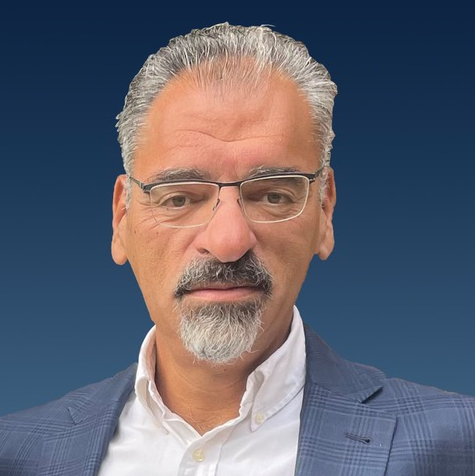
Yoram Unguru
· Associate ProfessorVerifiedJohns Hopkins University · Ophthalmology
Active 2008–2026
About
Yoram Unguru, MD, MS, MA, is an Associate Professor at the Johns Hopkins Berman Institute of Bioethics and the Johns Hopkins School of Medicine. He is a pediatric hematologist/oncologist with joint faculty appointments at The Herman and Walter Samuelson Children’s Hospital at Sinai. His research interests include clinical and research ethics, with a focus on the role of children and providers in facilitating shared decision-making, end-of-life decision-making, allocation of scarce lifesaving medications, and ethics education. Dr. Unguru has served as an ethics consultant to national organizations such as the American Academy of Pediatrics, the American Medical Association, the Food and Drug Administration, and the US Senate Committee on Homeland Security and Governmental Affairs. He is also Chair of the Children’s Oncology Group Bioethics Steering Committee and Chairman of the Ethics Committee at Sinai Hospital of Baltimore. His work involves implementing and directing clinical ethics curricula, leading multidisciplinary working groups on chemotherapy shortages, and contributing to policy development for resource allocation in public health crises.
Research topics
- Computer Science
- Medicine
- Business
- Political Science
- Economics
- Nursing
- Medical emergency
- Economic growth
- Marketing
- Public relations
- Virology
Selected publications
Pediatric Blood & Cancer · 2026-03-31
article1st authorCorrespondingThe author declares no conflicts of interest.
Discontinued therapies for sickle cell disease: status and future directions
Expert Opinion on Investigational Drugs · 2026-04-20
articleSenior authorINTRODUCTION: Over the past decade, the therapeutic landscape for sickle cell disease (SCD) has expanded beyond hydroxyurea to targeted small molecules, monoclonal antibodies, and transformative cellular and gene therapies. However, not every investigational approach survives the rigor of randomized trials, post-marketing surveillance, and commercial realities. High-profile discontinuations and trial failures have important implications for a disease community with longstanding unmet needs and a historical mistrust of biomedical research. AREAS COVERED: This review analyzes the proximate causes of discontinuation of SCD therapies, highlighting recurrent themes such as overreliance on surrogate endpoints, trial design limitations, post-marketing safety surveillance gaps, enrollment challenges, and corporate reprioritization, and draws lessons for future drug development. We place the most consequential cases in context and discuss how next-generation agents, trial design innovations, biomarker-based strategies, and equitable deployment might reduce the likelihood and impact of future discontinuations. Finally, we propose pragmatic recommendations to maximize patient benefit while minimizing avoidable harms. EXPERT OPINION: Recent advances in sickle cell therapies bring real promise alongside setbacks. Failures are part of progress, but better trial design, transparency, patient partnership, and shared data can reduce harm, strengthen trust, and ensure innovation translates into meaningful, durable patient benefit.
Hope, Hype, and Trust in Sickle Cell Disease
JAMA Pediatrics · 2025-12-08 · 2 citations
article1st authorCorrespondingThis Viewpoint discusses how to communicate trust for novel rare disease treatments using lessons learned from sickle cell disease.
The American Journal of Bioethics · 2025-10-18 · 2 citations
articleClinical Profile of Pediatric Solid Tumors: Experience From a Tertiary Care Center in Ethiopia
Cancer Reports · 2025-05-01
articleOpen accessSenior authorBACKGROUND: Pediatric solid tumors are a significant health challenge worldwide, especially in low- and middle-income countries such as Ethiopia, where healthcare infrastructure is limited and treatment modalities are scarce. AIMS: This study aims to understand the epidemiological characteristics of these tumors and short-term treatment outcomes. METHODS AND RESULTS: A retrospective study spanning a period of 2 years and 8 months was conducted among all children below age 15 years admitted to St. Paul's Hospital Millennium Medical College hemato-oncology unit with a pediatric solid tumor. Data from patient charts was extrapolated and analyzed using SPSS version 29. A total of 173 pediatric solid tumor patients were identified over the study period. 22.6% of patients were treated in the first year, 34.6% of patients were treated in the second year, and 42.8% of patients were treated in the last 8 months of the study period. 56.1% of them were males. Most patients came from the Oromia region. The most frequent solid tumors were retinoblastoma, Wilms tumor, and rhabdomyosarcoma. Eighty-six patients are still on treatment, 23 patients achieved complete remission, 4 relapsed, 2 were defaulters, 5 patients were lost to follow-up, 21 died, 5 were referred to other hospitals, and 10 opted against treatment. CONCLUSION: The study reveals a rising trend in childhood solid tumor cases over the years. A significant proportion of patients achieved remission, whereas most remain under treatment or follow-up care. A relatively small percentage experienced relapses, with some cases of defaulters, loss to follow-up, and a few instances of mortality. Implementing early detection strategies and community-based awareness programs could improve outcomes by encouraging timely diagnosis and intervention.
The American Journal of Bioethics · 2025-04-03
article1st authorCorrespondingBoots on the Ground in Childhood Cancer Drug Shortages: a multilevel approach
Perspectives in biology and medicine · 2025-03-01
articleIn recent decades, drug shortages have become more common and more impactful, and this has been particularly true in the field of pediatric oncology. This article provides a brief history of drug shortages, paying particular attention to shortages of critical cancer drugs. It gives background as to why this is such a vexing problem for hospitals and health-care organizations and how shortages often affect different institutions in different ways and similarly at the patient level. The authors provide specific examples of recent experiences with local, regional, and national collaborative efforts to navigate pediatric oncology drug shortages, identifying some of the successes of these groups, as well as their shortcomings, in achieving greater health-care justice. The article closes with reflections about the current state of affairs in childhood cancer drug shortages, identifying several areas that require further work and scholarship.
Blood · 2025-11-03
articleAbstract Background: Gene therapy (GT) and hematopoietic stem cell transplantation (HSCT) are two potentially transformative options for patients with sickle cell disease (SCD). Both treatments are medically and psychologically demanding, as well as logistically complex and time intensive. To support shared decision-making and ensure patients are adequately prepared to make well-informed choices, clinical teams must communicate a substantial amount of complex medical information about each treatment, including their associated risks, benefits, and logistical requirements (such as timelines, supportive care, etc.). A strong body of empirical evidence on informed consent indicates that these conversations are often sub-optimal, frequently leaving patients with an inadequate understanding of key aspects of the proposed treatment. Our prior work has shown that very few patients with SCD feel highly knowledgeable about GT or HSCT (PMID: 36975201). Given the limited health literacy about these transformative treatments, and the challenges listed above, there is a need to develop high-quality, patient-centered educational resources about these therapies. Engaging patients in the development of these resources may help ensure they are accessible, relevant, and responsive to patient needs. Methods: Using user-centric design and a community partnership research approach, we recruited a regionally diverse panel of parents of children with SCD and adult patients with SCD through purposive sampling to capture a range of disease phenotypes and treatment experiences. An interdisciplinary stakeholder advisory group provided iterative input throughout the project. We conducted eight virtual focus groups to foster community engagement and identify content priorities for our educational materials (Step 1: Needs Assessment). This process was followed by an on-site 2.5-day meeting (Step 2: Platform Development) with our community panel, advisory group members, and health communication experts. During the meeting, we solicited preferences for the design and functionality of a web-based educational tool and discussed best practices for building online trust within the SCD community. Participants from the community were then presented with 24 questions related to transformative treatments and asked to rank their top 10 in order of importance. These rankings were used to prioritize educational content. Website development proceeded with iterative feedback from all stakeholders, focusing on readability, visual appeal, and usability. The initial website was subsequently evaluated by a broader group of community stakeholders (Step 3: Usability Testing and Refinement). Participants completed predefined tasks and provided feedback via surveys and focus groups, guiding further refinement of the tool. Results: Step 1: Focus group discussions underscored the complexity of decision-making, especially regarding conditioning toxicity, potential impacts on future fertility, and the unknown long-term risks of gene therapy (GT). Participants emphasized that transformative treatments be considered alongside disease-modifying therapies such as hydroxyurea and chronic transfusion, rather than in isolation. Step 2: Participants expressed a strong preference for a web-based tool encompassing all SCD treatment options, enabling users to easily compare the risks, benefits, and long-term trajectories of each approach. They recommended that the site provide clear definitions of medical terms, present both lay and scientific information, and offer links to additional patient resources. Through this community partnership we created mySCDstory.org, an educational website about SCD treatment options. The tool uses graphic storytelling to follow a patient through four possible treatment pathways—GT, HSCT, disease modifying medication, and chronic transfusion therapy—from age 13 to 34. Parallel narratives in an interactive format allow users to explore and compare each treatment option at their own pace. Conclusion: MySCDstory.org is a patient-centered, co-developed resource for exploring SCD treatment options, with a particular emphasis on transformative therapies. Optimized for both mobile and web platforms, the site is continuously evolving, with additional content and implementation research underway. MySCDstory.org serves as a valuable tool for clinicians and patients to support informed discussions about treatment choices.
Clinical Profile of Pediatric Solid Tumors: Experience From A Tertiary Care Center In Ethiopia
2024-10-21
preprintOpen accessSenior authorIntroduction: Pediatric solid tumors are a significant health challenge worldwide. It is more worsened in low- and middle-income countries like Ethiopia where there is deprived health care infrastructure and limited treatment modalities. This study aims to understand the epidemiological characteristics, pattern of these tumors and short-term treatment outcome which is crucial to provide timely and appropriate treatment to patients. Methods : a retrospective study of 2 year and 8 months period was conducted among all pediatric solid tumor children below age of 15 admitted at St Paul’s Hospital Millennium Medical College Hemato- Oncology unit. Data from the patient charts were entered and analyzed using SPSS version 29. Result: There are a total of 173 pediatric solid tumor patients over study period. 22.6% patients were seen on first year, 34.6% seen on second year and 42.8 % patient seen on last 8 months of the study period. 56.1% of them were males. Most patients came from Oromia region. The most frequent solid tumors were retinoblastoma, Wilm’s tumor and Rhabdomyosarcoma. Out of these 86 patients are still on treatment, 23 patients went into complete remission, 4 relapse, 2 were defaulters (Skipping a scheduled visit during evaluation of more than 2 weeks or skipping a scheduled session of chemotherapy by more than the duration between chemo-sessions), 5 patients lost from follow- up , 21 died, 5 refered to other hospital , 10 left against medical advice. Conclusion: The study shows increasing childhood solid tumour cases over the years. A significant portion of patients achieved remission, while the majority are still undergoing treatment or follow-up care. There are a small percentage of relapse, defaulters and loss to follow-up with mortality rates were observed. Early detection strategies and community-based awareness programs aimed at promoting early presentation to healthcare facilities could potentially improve outcomes by facilitating timely diagnosis and intervention.
Blood Advances · 2024-06-12 · 5 citations
articleOpen accessSenior author
Frequent coauthors
- 119 shared
Conrad V. Fernandez
Dalhousie University
- 113 shared
Steven Joffe
University of Pennsylvania
- 106 shared
Stacey L. Berg
Mayo Clinic
- 104 shared
M. Brooke Bernhardt
St. Jude Children's Research Hospital
- 103 shared
Catherine Woodman
University of Iowa
- 100 shared
Kim Pyke-Grimm
- 17 shared
Silvana Barone
- 15 shared
Jeff Jones
Johns Hopkins Berman Institute of Bioethics
Awards & honors
- Greenwall Fellowship in Bioethics and Public Policy
- Teacher of the Year at The Herman & Walter Samuelson Childre…
- Resume-aware match score
- Save to shortlist
- AI-drafted outreach
See your match with Yoram Unguru
PhdFit ranks faculty by your research interests, methods, and publications — grounded in their actual work, not templates.
- Free to start
- No credit card
- 30-second signup