Resume-aware faculty matching

Find professors who actually fit you

Upload your resume. Four AI agents analyze your background, rank the faculty who fit, inspect their recent research, and help you draft outreach — grounded in their actual work, not templates.

Free to startNo credit cardCancel anytime
Top matches Balanced preset
Dr. Sarah Chen
Stanford · Interpretability · NLP
91
Dr. Marcus Holloway
MIT · Robotics · RL
84
Dr. Aisha Okonkwo
CMU · Fairness · HCI
82
Nova · Professor Researcher · re-ranking top 20…
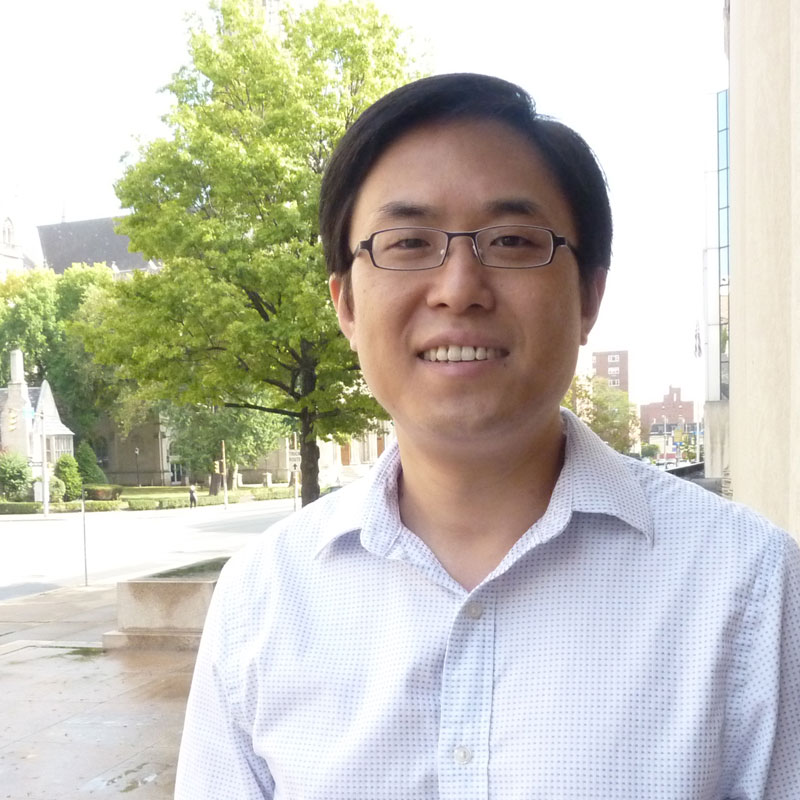
Yisong (Alex) Guo

Yisong (Alex) Guo

· ProfessorVerified

Carnegie Mellon University · Chemistry

Active 2006–2025

h-index41
Citations4.7k
Papers17180 last 5y
Funding$3.7M1 active
See your match with Yisong (Alex) Guo — sign in to PhdFit.Sign in

About

Yisong (Alex) Guo is a professor in the Department of Chemistry at Carnegie Mellon University, affiliated with the Mellon College of Science. His research interests include spectroscopy and bioinorganic chemistry, and he leads a research group that explores various aspects of these fields. The group actively seeks enthusiastic and motivated postdoctoral researchers, graduate students, and undergraduate students to join their efforts in advancing understanding in these scientific areas. Professor Guo's work is characterized by a focus on chemical analysis and biological inorganic processes, contributing to the broader scientific community through his leadership and research activities.

Research topics

  • Chemistry
  • Stereochemistry
  • Organic chemistry
  • Biochemistry
  • Combinatorial chemistry
  • Photochemistry
  • Computational chemistry
  • Thermodynamics
  • Medicinal chemistry

Selected publications

  • Million-Fold Activation of C¬H Bonds by Fluorinated Non-heme FeIV=O Complexes via Second Sphere Equatorial Sub-stitution and Catalytic Epoxidation to Boot

    ChemRxiv · 2025-06-23

    preprintOpen access

    FeIV=O units found in the active sites of nonheme iron oxygenases and related synthetic analogs are intriguing inter-mediates capable of performing challenging oxygenation reactions. The first crystal structure of such a crucial species in a synthetic complex, [FeIV(Oanti)(TMC)(MeCN)]2+ (TMC-anti), reported in 2003, utilizes a 14-TMC (tetramethyl-cyclam) N4-macrocyclic ligand. With a half-life of 10 h at 25 °C, TMC-anti is quite a sluggish oxidant, but axial ligand replacements enhance TMC-anti reactivity by as much as 50-fold. Herein we switch to an N4-equatorial modification approach by replacing the N-methyl groups in TMC-anti with N-CH2-aryl groups and fluorinated analogs in the sec-ondary coordination sphere to generate even more reactive FeIV(O)L complexes, namely [FeIV(Oanti)(TBF8C)(MeCN)]2+ (2-anti, t1/2 = 6 min at 25 °C), [FeIV(Osyn)(TBF8C)(MeCN)]2+ (2-syn, t1/2 = 2 min at 25 °C) and [FeIV(Osyn)(TBF8C)(Cl)]+ (3-syn, t1/2 = 1.5 min at –20 °C). Surprisingly, despite the increased steric bulk introduced around the FeIV=O moiety, 2-syn and 3-syn exhibit reaction rates as much as a million-fold higher than TMC-anti in C–H bond cleavage as well as oxo-transfer reactions, including unprecedented catalytic epoxidation of olefins by 2-syn. Computations confirm the dramatic reactivity enhancement upon introduc-tion of polyfluorinated arenes into the second coordination sphere of the nonheme FeIV=O complexes, which distort the Me4cyclam that decreases the energy gap between the ground S = 1 and the excited S = 2 spin states.

  • The Heme Oxygenase-Like Diiron Enzyme HrmI Reveals Altered Regulatory Mechanisms for Dioxygen Activation and Substrate N-Oxygenation

    Journal of the American Chemical Society · 2025-08-07 · 5 citations

    article

    Nonheme diiron enzymes activate dioxygen (O2) to affect various biochemical outcomes. HrmI, a member of the recently discovered and functionally versatile heme oxygenase-like dimetal oxidase/oxygenase (HDO) superfamily, catalyzes the N-oxygenation of L-Lysine to yield 6-nitronorleucine for the biosynthesis of the antibiotic hormaomycin. Unlike other characterized HDO N-oxygenases that have an additional carboxylate ligand thought to be key for regulating dioxygen activation and ensuing N-oxygenation, the predicted primary coordination sphere of HrmI resembles those of HDOs that instead perform C–C fragmentation of substrates. We show that diferrous HrmI reacts with O2 in a substrate-independent manner to form a presumptive μ-1,2 (Fe3+)2 peroxo (or P) intermediate common to the catalytic scheme of many HDOs. P is rapidly converted to a second species with both optical and Mössbauer properties that resemble an activated peroxodiferric adduct (P’). The substrate-dependent acceleration of P’ decay suggests that it, rather than P, initiates l-Lysine metabolism. X-ray crystallographic studies of HrmI in several redox and ligand-bound states provide a stepwise view of structural changes during catalysis and, together with analytical approaches, capture a hydroxylamino metabolic intermediate en route to 6-nitronorleucine formation. The activation of peroxo species provides a key strategy that enables functional adaptation within the widely distributed HDO structural scaffold.

  • Discovery of Noncanonical Iron and 2-Oxoglutarate Dependent Enzymes Involved in C–C and C–N Bond Formation in Biosynthetic Pathways

    ACS Bio & Med Chem Au · 2025-03-10 · 6 citations

    reviewOpen accessCorresponding

    =O species to catalyze the functionalization of otherwise chemically inert C-H bonds. In addition to the more familiar canonical reactions of hydroxylation and chlorination, they also catalyze several other types of reactions that contribute to the diversity and complexity of natural products. In the past decade, several new Fe/2OG enzymes that catalyze C-C and C-N bond formation have been reported in the biosynthesis of structurally complex natural products. Compared with hydroxylation and chlorination, the catalytic cycles of these Fe/2OG enzymes involve distinct mechanistic features to enable noncanonical reaction outcomes. This Review summarizes recent discoveries of Fe/2OG enzymes involved in C-C and C-N bond formation with a focus on reaction mechanisms and their roles in natural product biosynthesis.

  • Abstract 2766 Exploring the Functional Diversity of Ferredoxin-Thioredoxin Reductase Domain-Containing Proteins

    Journal of Biological Chemistry · 2025-05-01

    articleOpen access

    Thioredoxin systems are vital for reducing target proteins, crucial in maintaining cellular homeostasis and redox signaling across various life forms. These systems consist of thioredoxin (Trx) and the corresponding thioredoxin reductase (TrxR), which reduces Trx. Trx contains a conserved Cys-XX-Cys motif that forms a redox-active disulfide, enabling the reduction of disulfides in target proteins through a dithiol-disulfide exchange mechanism. Although these systems are uniformly distributed across all life forms, significantly less is known about the biochemistry and physiology of Trx/TrxR enzymes in organisms from the Archaea and Bacteria domains.

  • Electronic Modification of a Reduced Mononuclear Nonheme Iron Nitrosyl Complex Leads to HNO Release

    Journal of the American Chemical Society · 2025-07-28 · 1 citations

    articleOpen access

    A new pentadentate-fluorinated N4S(thiolate) ligand was synthesized. Reaction with Fe(BF4)2·6H2O gives a new thioether complex, [FeII(CH3CN)(N3PypFSEtCN)][BF4]2 (1), and on-metal deprotection gives the thiolate complex, [FeII(CH3CN)(N3PypFS)][BF4] (2). Reaction of 2 with NO forms a low-spin ground state (S = 1/2) {FeNO}7 complex (3). Chemical reduction of 3 with cobaltocene gives a metastable intermediate spin S = 1 {FeNO}8 complex (4). Protonation of 4 releases nitroxyl (HNO), as observed by ESI-MS and 31P NMR trapping experiments with PPh3. Complexes 1 and 2 were characterized by single-crystal X-ray crystallography, complexes 2–4 were characterized by EPR and FT-IR spectroscopies, and all iron complexes were characterized by 19F NMR, UV–vis, and 57Fe Mössbauer spectroscopies. These results show that a nonheme iron complex can generate and release HNO, suggesting that nonheme iron centers could be endogenous or exogenous sources of HNO in biological systems. Additionally, the fluorine-substituted N4S(thiolate) ligand provides a unique spectroscopic handle to monitor the reactivity of the iron center several bonds away from the fluorine substituent.

  • Abstract 1496 Functional Characterization of a Diiron Protein: Unraveling its Role in Methanogen Oxidative Stress Response

    Journal of Biological Chemistry · 2025-05-01

    articleOpen access

    Methanogens are key contributors to methane production in anaerobic ecosystems, accounting for around 90% methane generation and driving of anthropogenic radiative forcing. While their one-carbon metabolic pathways are well-studied, the mechanisms of redox balance and oxidative stress management remain poorly understood. Methanosarcina acetivorans, a model acetotrophic methanogen previously thought to be strictly anaerobic, can tolerate low oxygen levels (0.4–1% O2), suggesting the presence of oxygen-detoxifying enzymes.

  • Effects of ligand topology and iron coordination number on the electronic structure of FeIII-μ-oxo-CrIII complexes supported by tetramethylcyclam

    Journal of Inorganic Biochemistry · 2025-09-25

    articleOpen accessSenior authorCorresponding

    57 Fe Mössbauer, electron paramagnetic resonance, and 57 Fe nuclear resonance vibrational spectroscopies are applied to characterize three different Fe III –O–Cr III complexes derived from the tetramethylcyclam (TMC, 1,4,8,11-tetramethyl-1,4,8,11-tetraazacyclotetradecane) ligand. [(CH 3 CN)(TMC)Fe III -O anti -Cr III (OTf) 4 (NCCH 3 )] ( 1 ) features an anti configuration where the bridging O-atom is located on the opposite face of all four methyl groups of TMC, which leads to a six-coordinate iron center. Similarly, due to the presence of a pyridine appended to one of the methyl groups of TMC, [(TMC-Py)Fe III –O anti –Cr III (OTf) 4 (NCCH 3 )] ( 3 ) also exhibits an anti configuration with a six-coordinate iron center. But for [(TMC)Fe III –O syn –Cr III (OTf) 4 (NCCH 3 )] ( 2 ), the iron center is five-coordinate due to a syn configuration where the bridging O atom is on the same face of all four methyl groups of TMC. The detailed spectroscopic characterizations reported here reveal that all three complexes exhibit S = 1 spin ground states, which result from antiferromagnetic coupling between an S = 5/2 Fe III center and an S = 3/2 Cr III center. However, the detailed magnetic properties derived from Mössbauer and EPR measurements and vibrational properties of these complexes, particularly the symmetric and asymmetric Fe-O-Cr stretching modes, closely reflect the ligand topology difference ( anti vs. syn ) and the coordination number of the iron center. These spectroscopic properties are used to guide the density functional theory calculations to show how the ligand topology affects the electronic structures of these complexes. Thus, the current study provides a comprehensive geometric and electronic structure correlation of these unique hetero-dinuclear complexes. 57 Fe Mössbauer, electron paramagnetic resonance, and 57 Fe nuclear resonance vibrational spectroscopies are applied to explore the effect of ligand topology around the iron center of three different Fe III -oxo-Cr III complexes to their spectroscopic properties, which is further connected to their electronic structures via density functional theory calculations. • A detailed spectroscopic characterization of Fe III -oxo-Cr III complexes is reported. • Ligand topology around the iron center dictates geometric and electronic structures. • A study of geometric and electronic structure via multiple spectroscopic techniques.

  • Correction to “Discovery and Mechanism of a Diiron Enzyme in Ethylidene Azetidine Formation”

    Journal of the American Chemical Society · 2025-11-05

    erratum
  • Over 20000-fold activation of a S = 1 Nonheme Iron(IV)Oxo Complex for C-H bond cleavage Reaction in a Tris Imidazole methylamine (TMIMA) ligand backbone

    ChemRxiv · 2025-06-29 · 1 citations

    preprintOpen access

    Our recent findings discovered that the spin state is not the only factor for determining the reactivity of iron oxo complexes. To shed more light on this context, we introduced the closest biomimetic Imidazole as a ligand. We have prepared tris (N-methyl imidazole) Amine (TMIMA) and prepared the corresponding Fe(II) complexes using iron(II) triflate and characterized by Single Crystal X-ray. Treatment of 1 (TMIMA)(MeCN)FeII(OTf)2 with (tBuSO2)C6H4IO (ArIO) at −40 °C in MeCN leads to the formation of highly reactive intermediates 2 (t1/2 ~ 4 min, −80°C in Acetone/MeCN(8:2)), which exhibit weak bands at 750 nm (εM = 250 M−1 cm−1) and oxidize a range of hydrocarbons at −40°C in MeCN. Intermediate 2 is the most reactive oxoiron(IV) complex found to date for the oxidation of C–H bonds in the tripodal family and reacts almost one order of magnitude as fast as the S = 2 [FeIV(O)(TQA)(NCMe)]2+ and S = 1 [FeIV(O)(Me3NTB)(NCMe)]2+. In addition, 2 exhibits a C−H/D kinetic isotope effect of 50 for toluene oxidation, showing that C−H bond cleavage is the rate-determining step.

  • Stepwise 6H<sup>+</sup>/6e<sup>–</sup> Electron-Coupled Proton Buffers Based on Fe and Redox-Active Ligands

    Inorganic Chemistry · 2025-09-22

    articleOpen accessCorresponding

    Herein, we report electron-coupled-proton buffers (ECPBs) based on Fe and redox-active ortho-phenylenediamine (opda) ligands that perform stepwise and reversible 6H+/6e– transformations. Four of the Fe complexes involved in the PCET transformation (namely X62+, X8H22+, X10H42+ and X12H62+) were structurally and/or spectroscopically characterized. The reductive protonation of X62+ to X12H62+ and the oxidative deprotonation of X12H62+ to X62+ were carried out using PCET reagents, which indicate that these 6H+/6e– transformations occurred in a 2H+/2e– fashion, accumulating the intermediate species X8H22+and X10H42+. The thermochemistry of the 2H+/2e– and overall 6H+/6e– transformations was studied by open-circuit potential measurements and comproportionation reactions. Interestingly, the Fe-based ECPBs depicted redox unleveling, in which the average bond dissociation free energy (BDFEavg) of the 2H+/2e– reductive protonation of X62+ to X8H22+ was substantially higher than the BDFEavg of the 6H+/6e– conversion of X62+ to X12H62+. We also show that the BDFEavg of the PCET transformations involving the Fe system bearing unsubstituted opda are higher than the systems bound by 4,5-Me2-opda and 4,5-(MeO)2-opda, a manifestation of redox decompensation. The capability of the Fe-based ECPBs to accept and donate H-atom equivalents, as well as their ability to dehydrogenate organic substrates using O2 as oxidant in a decoupled fashion, was also evaluated.

Recent grants

Frequent coauthors

  • Stephen P. Cramer

    University of California, Davis

    195 shared
  • Hongxin Wang

    Search for Extraterrestrial Intelligence

    168 shared
  • Yoshitaka Yoda

    Japan Synchrotron Radiation Research Institute

    159 shared
  • Yuming Xiao

    120 shared
  • W. Sturhahn

    117 shared
  • E. Ercan

    Argonne National Laboratory

    105 shared
  • Jin Xiong

    Carnegie Mellon University

    73 shared
  • Jiyong Zhao

    University of Chinese Academy of Sciences

    71 shared

Labs

Education

  • Ph.D., Applied Science

    University of California, Davis

    2009

Awards & honors

  • NSF CAREER Award (2017)
  • Kwolek Fellowship in Chemistry
  • Edwin N. Lassettre Graduate Travel Award
  • John & Nancy Harrison Legacy Graduate Fellowship in Chemistr…
  • Resume-aware match score
  • Save to shortlist
  • AI-drafted outreach

See your match with Yisong (Alex) Guo

PhdFit ranks faculty by your research interests, methods, and publications — grounded in their actual work, not templates.

  • Free to start
  • No credit card
  • 30-second signup