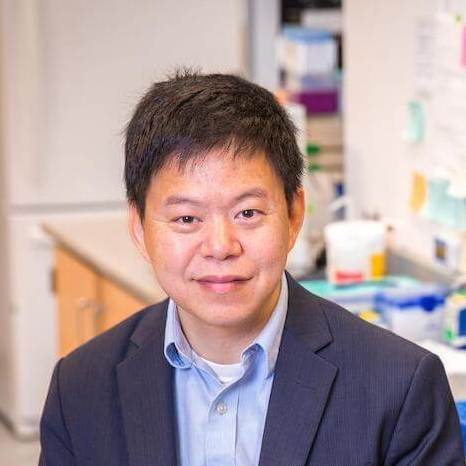
Yingxiao Wang
· Dwight C. and Hildagarde E. Baum Chair in Biomedical Engineering and Professor of Biomedical Engineering and Molecular Microbiology & ImmunologyUniversity of Southern California · Alfred E. Mann Department of Biomedical Engineering
Active 1998–2024
About
The Wang Lab at the University of Southern California's Alfred E. Mann Department of Biomedical Engineering focuses on molecular engineering for cellular imaging and reprogramming. Their research includes developing techniques such as directed evolution in mammalian cells to screen biosensor libraries, non-invasive and remote control of CAR T cell genetics by ultrasound for cancer immunotherapy, and creating new CRISPR tools to enable remote-controlled genome editing. The lab's work aims to advance biomedical engineering by transforming cellular and genetic manipulation methods, contributing to innovative approaches in cancer treatment and cellular analysis.
Research topics
- Biology
- Computer Science
- Immunology
- Cancer research
- Cell biology
- Physics
- Medicine
- Chemistry
- Biochemistry
- Genetics
- Materials science
- Nanotechnology
Selected publications
Control of the activity of CAR-T cells within tumours via focused ultrasound
Nature Biomedical Engineering · 2021 · 213 citations
Senior authorCorresponding- Cell biology
- Cancer research
- Chemistry
Engineering light-controllable CAR T cells for cancer immunotherapy
Science Advances · 2020 · 162 citations
Senior authorCorresponding- Computer Science
- Cancer research
- Biology
T cells engineered to express chimeric antigen receptors (CARs) can recognize and engage with target cancer cells with redirected specificity for cancer immunotherapy. However, there is a lack of ideal CARs for solid tumor antigens, which may lead to severe adverse effects. Here, we developed a light-inducible nuclear translocation and dimerization (LINTAD) system for gene regulation to control CAR T activation. We first demonstrated light-controllable gene expression and functional modulation in human embryonic kidney 293T and Jurkat T cell lines. We then improved the LINTAD system to achieve optimal efficiency in primary human T cells. The results showed that pulsed light stimulations can activate LINTAD CAR T cells with strong cytotoxicity against target cancer cells, both in vitro and in vivo. Therefore, our LINTAD system can serve as an efficient tool to noninvasively control gene activation and activate inducible CAR T cells for precision cancer immunotherapy.
Application of FRET Biosensors in Mechanobiology and Mechanopharmacological Screening
Frontiers in Bioengineering and Biotechnology · 2020 · 80 citations
Senior authorCorresponding- Nanotechnology
- Biology
- Cell biology
Extensive studies have shown that cells can sense and modulate the biomechanical properties of the ECM within their resident microenvironment. Thus, targeting the mechanotransduction signaling pathways provides a promising way for disease intervention. However, how cells perceive these mechanical cues of the microenvironment and transduce them into biochemical signals remains to be answered. Förster or fluorescence resonance energy transfer (FRET) based biosensors are a powerful tool that can be used in live-cell mechanotransduction imaging and mechanopharmacological drug screening. In this review, we will first introduce FRET principle and FRET biosensors, and then, recent advances on the integration of FRET biosensors and mechanobiology in normal and pathophysiological conditions will be discussed. Furthermore, we will summarize the current applications and limitations of FRET biosensors in high-throughput drug screening and the future improvement of FRET biosensors. In summary, FRET biosensors have provided a powerful tool for mechanobiology studies to advance our understanding of how cells and matrices interact, and the mechanopharmacological screening for disease intervention.
Recent grants
Integration of single-cell imaging and multi-omics sequencing to study EC mechano-pathophysiology
NIH · $7.5M · 2013–2026
NIH · $420k · 2014
Multiplex FRET Imaging of Kinase-Epigenome Interregulations in Live Cancer Cells
NIH · $1.1M · 2017–2020
CAREER:The Development of Molecular Stress Biosensor to Study Mechanotransduction
NSF · $367k · 2009–2013
NIH · $2.6M · 2022–2027
Frequent coauthors
- 128 shared
Shaoying Lu
- 110 shared
Max Nobis
VIB-KU Leuven Center for Cancer Biology
- 99 shared
Jennifer P. Morton
Cancer Research UK
- 97 shared
Owen J. Sansom
Cancer Research UK Scotland Institute
- 95 shared
Kurt I. Anderson
The Francis Crick Institute
- 95 shared
Shu Chien
La Jolla Bioengineering Institute
- 91 shared
Margaret C. Frame
Edinburgh Cancer Research
- 91 shared
Ewan J. McGhee
Education
- 2005
Ph.D., Biomedical Engineering
University of Southern California
- 2002
M.S., Biomedical Engineering
University of Southern California
- 2000
B.S., Biomedical Engineering
University of Southern California
Awards & honors
- Wallace H. Coulter Early Career Award (Phase I and Phase II)
- National Science Foundation CAREER Award
- National Institutes of Health Independent Scientist Award
- Fellow of American Institute of Medical and Biological Engin…
- Fellow of International Academy of Medical and Biological En…
Similar researchers at University of Southern California
- Resume-aware match score
- Save to shortlist
- AI-drafted outreach
See your match with Yingxiao Wang
PhdFit ranks faculty by your research interests, methods, and publications — grounded in their actual work, not templates.
- Free to start
- No credit card
- 30-second signup