Resume-aware faculty matching

Find professors who actually fit you

Upload your resume. Four AI agents analyze your background, rank the faculty who fit, inspect their recent research, and help you draft outreach — grounded in their actual work, not templates.

Free to startNo credit cardCancel anytime
Top matches Balanced preset
Dr. Sarah Chen
Stanford · Interpretability · NLP
91
Dr. Marcus Holloway
MIT · Robotics · RL
84
Dr. Aisha Okonkwo
CMU · Fairness · HCI
82
Nova · Professor Researcher · re-ranking top 20…
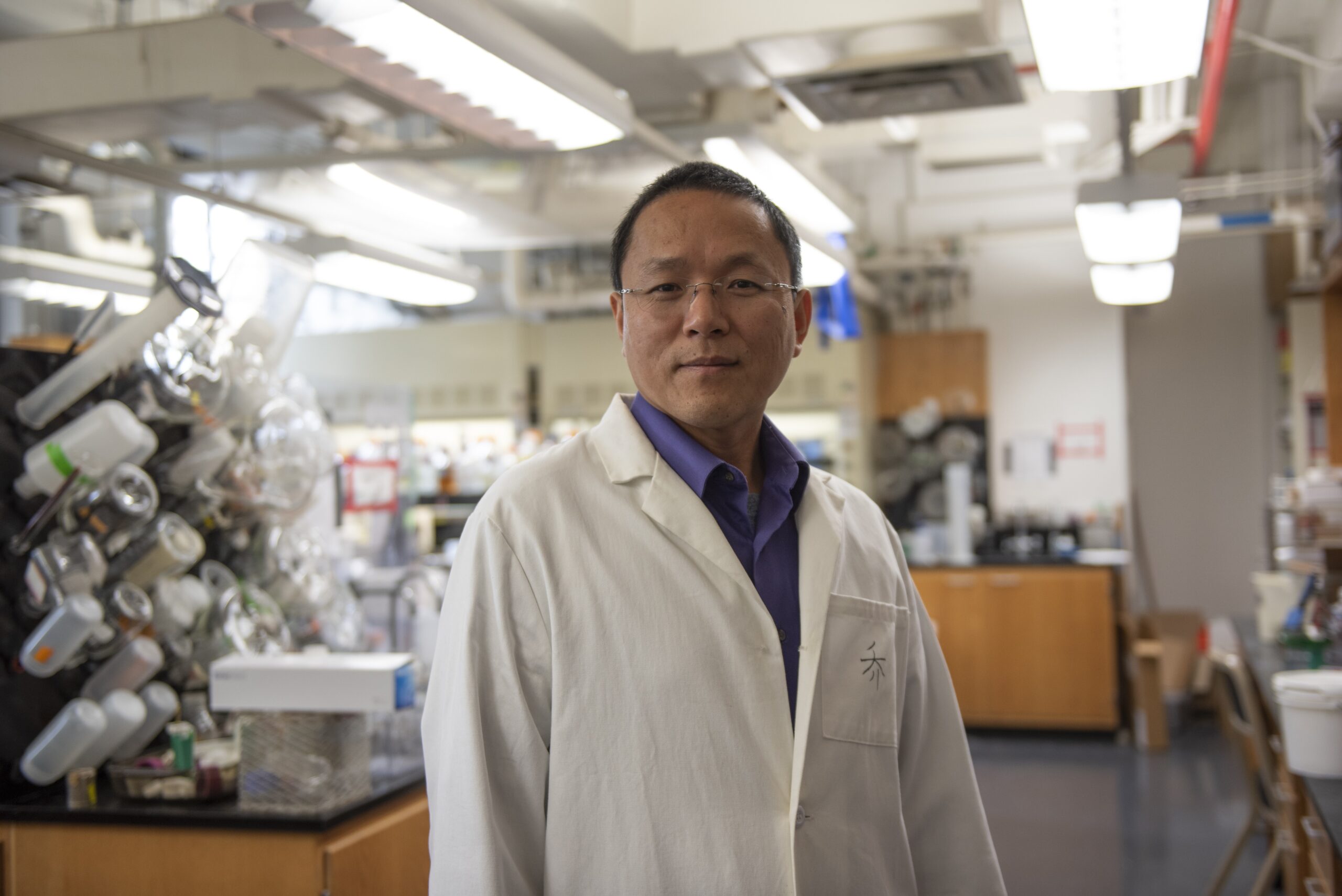
Wenshe Liu

Wenshe Liu

· Harry E. Bovay Jr. Endowed Chair, Chemistry; Regents Professor, Chemistry, Translational Medical Sciences, Biochemistry and Biophysics, Cell Biology and Genetics; Director, Texas A&M Drug Discovery CenterVerified

Texas A&M University · Biochemistry and Biophysics

Active 1995–2026

h-index48
Citations8.8k
Papers18584 last 5y
Funding$7.9M1 active
See your match with Wenshe Liu — sign in to PhdFit.Sign in

About

Wenshe Liu is the Harry E. Bovay Jr. Endowed Chair in Chemistry and a Regents Professor at Texas A&M University, with appointments spanning Chemistry, Translational Medical Sciences, Biochemistry and Biophysics, Cell Biology, and Genetics. His research group specializes in chemical biology with broad interests in fundamental biological processes, biotechnological innovation, and the development of novel therapeutics. His expertise includes techniques such as genetic code expansion, phage display with unnatural peptide libraries, and the synthesis of small molecules, peptides, and proteins. These methods are applied to understand epigenetic modifications on chromatin, study histone biology, facilitate phage-assisted drug discovery, and develop small-molecule therapeutics. Professor Liu has made significant contributions to the development of genetic code expansion systems, notably in the incorporation of noncanonical amino acids into proteins, which has applications in industry and research. His group has engineered systems to produce histones with site-specific posttranslational modifications, enabling detailed studies of epigenetic functions and nucleosome regulation. Additionally, he has advanced phage display techniques, including the creation of cyclic peptide libraries and active site-directed ligand evolution, to identify inhibitors for targets such as COVID-19 enzymes and cancer-related proteins. His work on COVID-19 therapeutics involves targeting key viral enzymes, with some molecules demonstrating nanomolar potency in infected cells. Overall, his research integrates chemical biology, structural biology, and medicinal chemistry to address critical biological questions and therapeutic challenges.

Research topics

  • Biochemistry
  • Chemistry
  • Virology
  • Medicine
  • Biology
  • Intensive care medicine
  • Internal medicine
  • Combinatorial chemistry
  • Cell biology
  • Biophysics
  • Organic chemistry
  • Stereochemistry

Selected publications

  • Pyrrolysine refusing to stop

    Nature Chemistry · 2026-04-01

    articleOpen accessSenior author
  • From Covalent Traps to Fluorescent Beacons: The Expanding Arsenal of Chemical Probes for Studying Ubiquitin and Ubiquitin‐Like Proteins

    Angewandte Chemie · 2026-02-12

    articleOpen accessSenior author

    ABSTRACT Ubiquitin (Ub) and ubiquitin‐like proteins (Ubls) orchestrate diverse cellular processes through reversible post‐translational modification of target proteins. Their conjugation is governed by a cascade of E1 activating, E2 conjugating, and E3 ligating enzymes, while deconjugation is mediated by deubiquitinases (DUBs) and Ubl‐specific proteases. Profiling the catalytic activity of these enzymes is essential for understanding the dynamics and specificity of Ub/Ubl signaling. Activity‐based probes (ABPs) have emerged as powerful tools to covalently label active enzymes through electrophilic warheads that target catalytic residues. Unlike conventional affinity‐based approaches, ABPs capture functional states of enzymes in complex biological systems. This review provides a comprehensive analysis of ABPs designed for the Ub/Ubl signal pathways, encompassing probes for Ub, SUMO, NEDD8, ISG15, FAT10, UFM1, URM1, Atg8‐family modifiers, and FUBI (MNSFβ). We discuss key elements of probe design, including recognition domains, electrophilic warheads (e.g., vinyl sulfones, vinyl methyl esters, propargylamine, azapeptide esters), and detection tags. Particular emphasis is placed on emerging azapeptide ester‐based probes, which structurally mimic native enzyme‐substrate intermediates and offer high selectivity and reactivity. ABPs targeting E1, E2, and HECT/RBR E3 ligases are also highlighted, expanding their utility beyond classical DUB profiling. We further compare warhead chemistries, enzyme selectivity, and labeling strategies, and examine structural insights derived from probe‐enzyme complexes. Collectively, these tools have transformed our ability to interrogate Ub/Ubl‐regulating enzymes in vitro and in cells. The review concludes with perspectives on next‐generation probe development, including cell‐permeable designs, spatiotemporal control, and applications in systems biology and drug discovery.

  • NAE1/UBA3-UBE2M are E1 and E2 enzymes for the URM1 modification

    Nature Communications · 2026-04-29

    articleOpen accessSenior author

    Ubiquitin-related modifier 1 (URM1) is an evolutionarily conserved ubiquitin-like protein. In eukaryotes, it serves dual roles as a sulfur donor for tRNA modification and a posttranslational protein modifier. URM1 is proposed to be a primitive protein modifier and a potential precursor to the more complex ubiquitin system. However, no specific activating enzyme (E1), conjugating enzyme (E2), or ligase (E3) has been reported for the URM1 modification cascade in human cells. In this study, we design an activity-based URM1 probe to covalently capture cysteine enzymes functioning in the URM1 signaling pathway. Through proteomic characterization and cell-based validation, we identify NAE1/UBA3 and UBE2M as E1 and E2 enzymes, respectively, for the urmylation pathway under both normal and oxidative stress conditions. Pharmacologic perturbation of the UBE2M-DCN1 module suggests DCN1 may contribute to URM1 conjugation. Bioinformatic analysis further reveals that genetic knockdown of NAE1, UBE2M, and URM1 affects overlapping genes associated with pathways controlling cellular response to stress conditions or with implications in liver diseases. URM1 serves a protective role against oxidative stress. Pevonedistat, a potent NAE1 inhibitor that blocks protein urmylation in human cells, exhibits strong synergy with cisplatin, an agent known to induce oxidative stress, in killing liver cancer cells effectively.

  • Nicotine-Inspired, De Novo-Designed SARS-CoV-2 Main Protease Inhibitors Reveal Unique Chemistry for Covalently Conjugating Both Cysteine and Histidine Residues in the Catalytic Dyad

    Journal of the American Chemical Society · 2026-04-14

    articleOpen accessSenior authorCorresponding

    Anecdotal reports about smokers with low SARS-CoV-2 infection rates prompted a search for nicotine and its pyrolysis products as SARS-CoV-2 main protease (MPro) inhibitors. From this search, 3-vinylpyridine was discovered as a weak binder for the MPro S1 subsite and was used subsequently as a de novo starting point for covalent inhibitor design that quickly yielded a highly potent inhibitor, SR-A-174, with an IC50 value of 60 nM. Representing a novel class of MPro inhibitors, SR-A-174 features an N,N-diaryl-α,α-dichloroacetamide scaffold that facilitated rapid exploration of alternative covalent warheads and various N-substituents, leading to the identification of multiple inhibitors with potent antiviral activity. Eight such MPro inhibitor structures were determined, all demonstrating covalent binding to catalytic Cys145 of MPro. In six determined structures, binding is dominated by the covalent bond plus van der Waals contacts, which contrasts with the extensive hydrogen bond networks formed with peptidomimetic inhibitors such as nirmatrelvir. Strikingly, two N,N-diaryl-α,α-dichloroacetamide inhibitors exhibit an unprecedented dual covalent modification mode of the catalytic dyad, forming bonds to both Cys145 and His41 with a concomitant loss of both chlorides and displacing the inhibitors from the S1 subsite. This dyad-targeting reactivity suggests a novel route for bioconjugation of both cysteine and histidine.

  • From vibrations to function: Spectroscopic detection and quantification of π-π stacking in drug-responsive protein complexes

    Science Advances · 2026-04-08

    articleOpen access

    Aromatic π-π stacking interactions are fundamental to protein architecture, molecular recognition, and drug efficacy, yet directly quantifying them under near-physiological conditions has remained challenging. Here, we use a recently developed spectroscopic platform, thermostable Raman interaction profiling (TRIP), that enables direct, label-free detection and quantification of aromatic π-π interactions in complex protein environments. Using the SARS-CoV-2 (severe acute respiratory syndrome coronavirus 2) main protease (M pro ) as a biologically and clinically relevant model, we demonstrate that subtle changes in the phenylalanine benzene ring breathing (BRB) mode serve as a precise spectroscopic indicator of π-π stacking strength. This signal is highly responsive to both protein concentration-dependent dimerization and ligand-induced structural changes. M pro forms a catalytically active dimer stabilized by a conserved aromatic triad (phenylalanine-140, histidine-163, and histidine-172), providing an ideal system to interrogate π-stacking at an important protein interface. Potent inhibitors MPI8 and nirmatrelvir produced the strongest BRB spectral shifts, broadening, and intensity changes, consistent with enhanced aromatic stacking and dimer stabilization, whereas halicin and VB-B-145 showed weaker engagement. BRB spectral changes also showed quantitative correlation with dimerization efficiency, published IC 50 (median inhibitory concentration) values, and antiviral efficacy in A549-ACE2 cells. Complementary density functional theory revealed electron density rearrangements and vibrational coupling patterns unique to stacked aromatic residues. This integrated spectroscopic-computational approach enables quantitative probing of π-π stacking in native-like protein environments and positioning TRIP as a generalizable tool for designing drugs targeting aromatic protein-protein interfaces.

  • From nicotine to SARS-CoV-2 antivirals with potent in vivo efficacy and a broad anti-coronavirus spectrum

    Nature Communications · 2026-02-14 · 1 citations

    articleOpen accessSenior author

    Abstract Anecdotal reports about smoking that might prevent SARS-CoV-2 infection inspire the search for nicotine and its pyrolysis products as inhibitors of the SARS-CoV-2 main protease (M Pro ). This effort leads to the discovery of 3-vinylpyridine as an M Pro inhibitor. 3-Vinylpyridine resembles part of nirmatrelvir in binding to M Pro but does not involve a critical interaction with residue E166, whose mutation has led to resistance to nirmatrelvir. Integration of the two molecules, followed by a medicinal chemistry campaign, produces several molecules with better in vitro potency than nirmatrelvir. Two lead molecules, YR-C-136 and SR-B-103, display better pharmacokinetic characteristics than nirmatrelvir in virus-challenged male mice and much better antiviral efficacy in virus-challenged female mice. Both molecules maintain high potency in inhibiting the nirmatrelvir-resistant M Pro (E166V/L50F) variant. They also exhibit a broad and highly potent antiviral spectrum against most pathogenic coronaviruses. With high in vivo potency, both molecules are potentially standalone pan-antivirals for coronaviruses and may serve as countermeasures for future coronavirus outbreaks.

  • Site-Specific Immobilization of ZNRF3 Reveals the Importance of Target Structural Integrity on Macrocyclic Peptide Selections

    ACS Chemical Biology · 2026-04-27

    articleOpen accessSenior authorCorresponding

    Phage display of macrocyclic peptide libraries has proven highly effective for ligand discovery, yet the impact of target immobilization and structural integrity on selection outcomes has not been systematically examined. Using the ZNRF3 ectodomain as a model, we incorporated p-azidophenylalanine (AzF) at three phenylalanine residues with distinct solvent exposures (F217, F85, F156) to enable selective perturbation of the protein’s structure via site-specific strain-promoted azide–alkyne cycloaddition (SPAAC) immobilization. Biochemical evaluation of the mutants confirmed efficient conjugation and structural disruption of the protein, with the F156AzF mutant displaying the most significant reduction in activity. Phage selections using a CX12C macrocyclic library demonstrated that enrichment efficiency and sequence diversity correlated with structural preservation: F217AzF and F85AzF yielded robust and overlapping peptide pools, while F156AzF produced few and modestly enriched sequences. Biophysical characterization of top hits indicated that peptides derived from structurally intact immobilizations were most likely to bind wild-type ZNRF3, with the highest-affinity ligand, 85–2 (KD = 124 nM), emerging from the shared pool. This work reports a technique to selectively disrupt protein domains during phage selections, while also demonstrating that the structural integrity of immobilized targets is a primary determinant of phage display success. Not only does the necessity to maintain structural integrity influence sequence composition and affinities of peptides toward native protein targets, but also the overall enrichment efficiency of the selection itself. While disruptive immobilization may still yield useful ligands, strategies that preserve native folds enhance phage enrichment and maximize the identification of biologically relevant binders.

  • From Covalent Traps to Fluorescent Beacons: The Expanding Arsenal of Chemical Probes for Studying Ubiquitin and Ubiquitin‐Like Proteins

    Angewandte Chemie International Edition · 2026-02-11 · 2 citations

    articleOpen accessSenior author

    Ubiquitin (Ub) and ubiquitin-like proteins (Ubls) orchestrate diverse cellular processes through reversible post-translational modification of target proteins. Their conjugation is governed by a cascade of E1 activating, E2 conjugating, and E3 ligating enzymes, while deconjugation is mediated by deubiquitinases (DUBs) and Ubl-specific proteases. Profiling the catalytic activity of these enzymes is essential for understanding the dynamics and specificity of Ub/Ubl signaling. Activity-based probes (ABPs) have emerged as powerful tools to covalently label active enzymes through electrophilic warheads that target catalytic residues. Unlike conventional affinity-based approaches, ABPs capture functional states of enzymes in complex biological systems. This review provides a comprehensive analysis of ABPs designed for the Ub/Ubl signal pathways, encompassing probes for Ub, SUMO, NEDD8, ISG15, FAT10, UFM1, URM1, Atg8-family modifiers, and FUBI (MNSFβ). We discuss key elements of probe design, including recognition domains, electrophilic warheads (e.g., vinyl sulfones, vinyl methyl esters, propargylamine, azapeptide esters), and detection tags. Particular emphasis is placed on emerging azapeptide ester-based probes, which structurally mimic native enzyme-substrate intermediates and offer high selectivity and reactivity. ABPs targeting E1, E2, and HECT/RBR E3 ligases are also highlighted, expanding their utility beyond classical DUB profiling. We further compare warhead chemistries, enzyme selectivity, and labeling strategies, and examine structural insights derived from probe-enzyme complexes. Collectively, these tools have transformed our ability to interrogate Ub/Ubl-regulating enzymes in vitro and in cells. The review concludes with perspectives on next-generation probe development, including cell-permeable designs, spatiotemporal control, and applications in systems biology and drug discovery.

  • Synthetic Strategies for Activity‐Based Probes to Decode Ubiquitin‐Like Modifiers

    Chemistry - A European Journal · 2026-02-23

    articleOpen accessSenior authorCorresponding

    Ubiquitin-like proteins (Ubls) such as SUMO, NEDD8, ISG15, URM1, UFM1, FAT10, ATG8/ATG12, and FUBI are essential regulators of cellular homeostasis, controlling processes from protein stability and trafficking to immune signaling and autophagy. Their conjugation-deconjugation cycles are mediated by cascades of E1, E2, and E3 enzymes and reversed by Ubl-specific proteases (ULPs), many of which are cysteine-dependent. Deciphering these dynamic and reversible pathways requires tools that directly capture the active forms of these enzymes. Activity-based probes (ABPs) have become indispensable for this task, providing covalent, mechanism-based snapshots of enzymatic activity in complex systems. This review highlights chemistry-centric strategies for the design and synthesis of Ubl-targeting ABPs. We summarize synthetic and semisynthetic approaches that install electrophilic warheads onto Ubl backbones, methods for C-terminal ligation (native chemical ligation, activated cysteine ligation, hydrazide chemistry), and strategies for incorporating reporter tags or bioorthogonal handles. Probe development is organized by target class, including Ubl isopeptidases, E1/E2 conjugating enzymes, and E3 ligases. Representative examples illustrate how chemical design choices are tailored for specific applications-ranging from live-cell activity profiling to proteomic mapping and inhibitor discovery. Together, these methodologies establish a versatile chemical toolkit for dissecting Ubl biology, enabling the discovery of novel enzymes, the mapping of substrate networks, and the development of potential therapeutic modulators.

  • The ENL–USP7 Complex Regulates HIV Latency Through BRD4 Stabilization

    bioRxiv (Cold Spring Harbor Laboratory) · 2026-04-09

    articleOpen access

    HIV-1 persists in CD4⁺ T cells and brain microglia through host factors that enforce viral latency, yet the mechanisms that stabilize key transcriptional regulators remain incompletely understood. Here, we identify the YEATS domain-containing protein ENL and its associated deubiquitinase USP7 as a host complex that maintains HIV-1 latency. USP7 stabilizes BRD4 by deubiquitination, suppressing HIV transcription and sustaining viral quiescence. Disruption of the ENL-USP7 complex using selective PROTACs reactivates latent HIV in cell line models, as well as in resting CD4⁺ T cells and microglia isolated from people with HIV on antiretroviral therapy. These findings uncover a critical ENL-USP7-BRD4 axis that enforces HIV-1 latency and highlight USP7 as a potential target for latency-reversing strategies. Highlights: ENL, a YEATS domain-containing crotonylation reader, acts as a suppressor rather than an activator of HIV-1 transcription.ENL recruits USP7 to stabilize BRD4 and enforce viral latency.Disruption of the ENL-USP7-BRD4 axis reactivates latent HIV in T cells and microglia.Targeting USP7 or ENL reveals a therapeutic vulnerability in HIV reservoirs.

Recent grants

Frequent coauthors

  • Shiqing Xu

    62 shared
  • Yan‐Jiun Lee

    New England Biolabs (China)

    46 shared
  • Yadagiri Kurra

    Texas A&M University

    42 shared
  • Kai S. Yang

    Texas A&M University

    32 shared
  • Jeffery M. Tharp

    Indiana University

    26 shared
  • Lauren R. Blankenship

    Texas A&M University

    24 shared
  • Yugendar R. Alugubelli

    Texas A&M University

    23 shared
  • Zhi Geng

    Institute of High Energy Physics

    22 shared

Labs

  • Wenshe Liu LabPI

Education

  • B.S.

    not specified

    2000
  • Ph.D.

    not specified

    2005
  • Other

    not specified

    2007
  • Resume-aware match score
  • Save to shortlist
  • AI-drafted outreach

See your match with Wenshe Liu

PhdFit ranks faculty by your research interests, methods, and publications — grounded in their actual work, not templates.

  • Free to start
  • No credit card
  • 30-second signup