Resume-aware faculty matching

Find professors who actually fit you

Upload your resume. Four AI agents analyze your background, rank the faculty who fit, inspect their recent research, and help you draft outreach — grounded in their actual work, not templates.

Free to startNo credit cardCancel anytime
Top matches Balanced preset
Dr. Sarah Chen
Stanford · Interpretability · NLP
91
Dr. Marcus Holloway
MIT · Robotics · RL
84
Dr. Aisha Okonkwo
CMU · Fairness · HCI
82
Nova · Professor Researcher · re-ranking top 20…
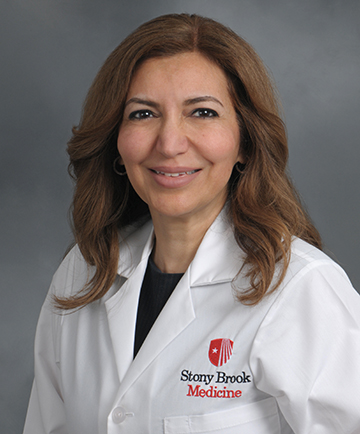
Susan Hedayati

Susan Hedayati

· MD, MHSc Vice Dean for ResearchVerified

Stony Brook University · Nephrology and Hypertension

Active 1996–2026

h-index49
Citations9.4k
Papers16477 last 5y
Funding$5.6M1 active
See your match with Susan Hedayati — sign in to PhdFit.Sign in

Research topics

  • Medicine
  • Internal medicine
  • Intensive care medicine
  • Emergency medicine
  • Virology
  • Computational biology
  • Genetics
  • Biology
  • Evolutionary biology
  • Immunology
  • Cell biology
  • Urology
  • Pediatrics

Selected publications

  • Kidney Function Decline in Sickle Cell Disease

    Kidney360 · 2026-01-21

    articleOpen accessSenior author

    BACKGROUND: Sickle cell disease (SCD) is associated with accelerated kidney function decline, with no proven effective therapies. We examined the associations between treatment with renin-angiotensin system inhibitors (RASi) and eGFR decline in SCD. METHODS: This 2-center observational study used electronic health record data of adult, Black patients with SCD (by hemoglobin electrophoresis) and ≥1 year follow-up between 2010-2024. We compared incident RASi users (exposure) to no treatment (reference). We created 1:1 propensity score-matched cohorts, balancing on demographics, vital signs, comorbidities, medications, and laboratory values. The primary endpoint was the difference in the mean change in eGFR per year, analyzing only chronic slopes (≥90 days post-index date) using linear mixed models on the matched cohorts. Sensitivity analyses were performed excluding patients with missing albuminuria and excluding low-dose RASi. Effect modification by SCD-modifying therapies was also examined. RESULTS: Matched cohorts identified were primary analysis (358 patients), excluding missing albuminuria data (262 patients), and excluding low dose RASi (270 patients). All cohorts achieved optimal standardized mean differences < 0.2. After multivariable adjustment, there was no significant difference in eGFR decline between RASi and the reference in the primary cohort (-0.15 mL/min/year; 95% confidence interval [CI], -1.67 to +1.36; p = 0.84), the sensitivity analysis cohort excluding missing albuminuria data (+0.89 mL/min/year; 95% CI, -0.86 to +2.63; p = 0.32) and the sensitivity analysis cohort excluding low dose RASi (+0.78 mL/min/year; 95% CI, -1.12 to +2.67; p = 0.42). All p values for interaction terms between RASi and SCD-modifying therapies in all models were > 0.05. CONCLUSIONS: In this large, real-world cohort of patients with SCD, RASi use was not associated with slowed eGFR decline. These findings underscore the limitations of observational data and highlight the urgent need for prospective trials to identify effective GFR-preserving therapies for this high-risk population.

  • Executive Summary of the KDIGO 2026 Clinical Practice Guideline for the Management of Anemia in Chronic Kidney Disease (CKD)

    Kidney International · 2026-01-01 · 2 citations

    articleOpen access
  • KDIGO 2026 Clinical Practice Guideline for the Management of Anemia in Chronic Kidney Disease (CKD)

    Kidney International · 2026-01-01 · 11 citations

    articleOpen access
  • Thrombosis, Bleeding, and the Observational Effect of Early Therapeutic Anticoagulation on Survival in Critically Ill Patients With COVID-19

    UNC Libraries · 2025-05-13

    articleOpen access

    BACKGROUND: Hypercoagulability may be a key mechanism of death in patients with coronavirus disease 2019 (COVID-19). OBJECTIVE: To evaluate the incidence of venous thromboembolism (VTE) and major bleeding in critically ill patients with COVID-19 and examine the observational effect of early therapeutic anticoagulation on survival. DESIGN: In a multicenter cohort study of 3239 critically ill adults with COVID-19, the incidence of VTE and major bleeding within 14 days after intensive care unit (ICU) admission was evaluated. A target trial emulation in which patients were categorized according to receipt or no receipt of therapeutic anticoagulation in the first 2 days of ICU admission was done to examine the observational effect of early therapeutic anticoagulation on survival. A Cox model with inverse probability weighting to adjust for confounding was used. SETTING: 67 hospitals in the United States. PARTICIPANTS: Adults with COVID-19 admitted to a participating ICU. MEASUREMENTS: Time to death, censored at hospital discharge, or date of last follow-up. RESULTS: Among the 3239 patients included, the median age was 61 years (interquartile range, 53 to 71 years), and 2088 (64.5%) were men. A total of 204 patients (6.3%) developed VTE, and 90 patients (2.8%) developed a major bleeding event. Independent predictors of VTE were male sex and higher D-dimer level on ICU admission. Among the 2809 patients included in the target trial emulation, 384 (11.9%) received early therapeutic anticoagulation. In the primary analysis, during a median follow-up of 27 days, patients who received early therapeutic anticoagulation had a similar risk for death as those who did not (hazard ratio, 1.12 [95% CI, 0.92 to 1.35]). LIMITATION: Observational design. CONCLUSION: Among critically ill adults with COVID-19, early therapeutic anticoagulation did not affect survival in the target trial emulation. PRIMARY FUNDING SOURCE: None.

  • Severe Mental Illness in CKD: Why it Matters

    American Journal of Kidney Diseases · 2025-04-21

    editorialOpen access1st authorCorresponding
  • Cognitive Impairment

    Kidney360 · 2025-06-25 · 2 citations

    articleOpen access

    Key Points Early cognitive impairment and dementia raise the risk of developing CKD. Early cognitive impairment and dementia are linked to faster kidney function decline. Background Emerging evidence suggests that better cognition is associated with a lower risk of CKD. However, whether early-onset cognitive impairment (CI) at baseline is linked to rapid eGFR decline or incident CKD remains unclear. Methods We conducted a prospective cohort study of 5761 World Trade Center responders (mean age, 53.8±7.9 years) without CKD at baseline, followed for a mean of 4.2±1.9 years. CI was defined as a Montreal Cognitive Assessment (MoCA) score ≤23, with a subgroup analysis for baseline dementia (MoCA ≤18). Primary outcomes included annual eGFR change and rapid eGFR decline (&lt;−5 ml/min per 1.73 m 2 per year). The secondary outcome was incident CKD (eGFR &lt;60 ml/min per 1.73 m 2 or diagnosis code). Multivariable Cox proportional hazards models and linear regressions were used for binary and continuous outcomes, respectively. Sensitivity analyses included looking at the effect of baseline mild CI (MoCA score 19–23), propensity matching for demographics, baseline age younger than 60 years, removal of baseline post-traumatic stress disorder/depression or baseline head trauma/stroke/cardiovascular disease, and after exclusion of those who died during follow-up. Results At baseline, 1446 (25%) individuals had CI, while 89 (2%) had dementia. The mean baseline eGFR was 91.1 ml/min per 1.73 m 2 , with an overall decline of −1.2 ml/min per 1.73 m 2 per year. Rapid eGFR decline occurred in 550 (10%) individuals. After adjusting for age, sex, race and ethnicity, comorbidities, World Trade Center exposure, screened post-traumatic stress disorder, and baseline eGFR, CI and dementia were significantly associated with rapid eGFR decline (adjusted hazard ratio [aHR], 1.63 and 2.42, respectively; both P &lt; 0.001) and faster annual eGFR decline. Findings were consistent across all sensitivity analyses. In addition, 248 (4%) individuals developed incident CKD. Both baseline CI (aHR, 1.72; P &lt; 0.001) and dementia (aHR, 2.77; P = 0.010) were significantly associated with incident CKD. Conclusions Among middle-aged individuals without CKD, early-onset CI was independently associated with rapid eGFR decline and incident CKD. These findings warrant validation in other cohorts.

  • The differential expression of circulating microRNAs in sickle cell trait compared with the normal hemoglobin phenotype

    Blood Advances · 2025-02-12

    articleOpen accessSenior author
  • Association of blood biomarkers with cardiovascular and kidney adverse outcomes in people with heart failure with preserved ejection fraction

    European Heart Journal · 2025-11-01

    articleOpen accessSenior author

    Abstract Background Greater than 50% of people with chronic kidney disease have left ventricular hypertrophy and are at risk for developing heart failure with preserved ejection fraction (HFpEF). Up to 56% of those with HF suffer from kidney function decline estimated using glomerular filtration rate (GFR). Worsening kidney function itself leads to worse cardiovascular (CV) outcomes, creating a deleterious cycle. Early biomarkers to accurately identify which individuals are at risk for both adverse CV outcomes and GFR decline are lacking. Purpose We aimed to identify candidate circulating proteins that would be associated with (a) composite of CV death, HF hospitalization, or aborted cardiac arrest, (b) decline in GFR, and (c) whether treatment with spironolactone vs. placebo would ameliorate the association. Methods We analyzed baseline serum levels of 92 candidate serum biomarkers using Olink proteomics in 214 participants with HFpEF from the Treatment of Preserved Cardiac Function Heart Failure with an Aldosterone Antagonist (TOPCAT) trial, a double-blind randomized trial to evaluate whether spironolactone reduced the incidence of the CV composite. GFR was determined using a combination of serum creatinine and cystatin C measurements using the 2021 CKDEPI equation. Multivariable Cox proportional hazards were used to test the association of the proteins with the CV composite, adjusted for race and diabetes mellitus. Linear mixed-effects models stratified by treatment group and adjusted for age, sex, diabetes mellitus, NYHA class, BMI, and protein x treatment interaction were used to test the association between change in protein level and change in GFR from baseline to 12 months. P for interaction &amp;lt;0.1 was considered significant. Results Doubling of 4 proteins was associated with the CV composite [HR (95% CI)]: EPHB4 [2.64 (1.40, 4.97)]; LTBR [2.47 (1.26, 4.85)]; PLC [3.49 (1.68, 7.25)]; TFF3 [2.52 (1.70, 3.73)], in adjusted models (Table). Increase in 6 biomarker levels from baseline to 12 months was associated with a GFR decline [(mL/min/1.73 m²) (95% CI)]: CCL16 [-6.4 (-8.7, -4.0)]; EPHB4 [-10.0 (-13.0, -7.1)]; IGFBP7) [-6.8 (-9.2, -4.3)]; LTBR [-11.7 (-14.7, -8.7)]; PLC [-9.1 (-11.6, -6.7)]; TFF3 [-11.2 (-13.5, -8.9)], in adjusted models (Table). The magnitude of GFR decline from baseline to 12 months was greater in those assigned to placebo vs. spironolactone, though this did not reach statistical significance for all 6 biomarkers (Table and Figure). Conclusion We identified 6 circulating biomarkers associated with adverse CV and kidney outcomes in HFpEF. Although the interaction term of protein x treatment did not reach statistical significance for all biomarkers, likely due to sample size, there was a trend in the magnitude of association such that spironolactone may attenuate decline in GFR. These proteins should be studied in larger populations as early biomarkers of risk for both CV and kidney outcomes in people with HF.Table Figure

  • A Practical Primer on How to Detect and Treat Depression in CKD

    American Journal of Kidney Diseases · 2025-11-17

    articleOpen accessSenior author
  • Biomarkers Associated with Albuminuria in Heart Failure with Preserved Ejection Fraction (HFpEF)

    Journal of the American Society of Nephrology · 2025-10-01

    articleSenior author

Recent grants

Frequent coauthors

  • L. Parker Gregg

    Health Services Research & Development

    70 shared
  • Lynda Szczech

    43 shared
  • Samantha K. Brenner

    Hackensack Meridian Health

    36 shared
  • Nishank Jain

    University of Arkansas for Medical Sciences

    35 shared
  • Sushrut S. Waikar

    Boston University

    30 shared
  • Shruti Gupta

    Brigham and Women's Hospital

    29 shared
  • David E. Leaf

    Harvard University

    29 shared
  • Hayden B. Bosworth

    28 shared
  • Resume-aware match score
  • Save to shortlist
  • AI-drafted outreach

See your match with Susan Hedayati

PhdFit ranks faculty by your research interests, methods, and publications — grounded in their actual work, not templates.

  • Free to start
  • No credit card
  • 30-second signup