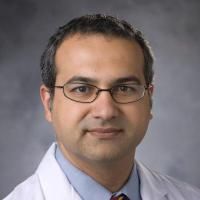
Suhail Kamrudin Mithani
· Associate Professor of SurgeryVerifiedDuke University · Plastic Surgery
Active 2003–2026
About
Suhail Kamrudin Mithani is an Associate Professor of Surgery at Duke University, serving as the Interim Chief of the Division of Plastic, Maxillofacial & Oral Surgery. He is also an Associate Professor in Orthopaedic Surgery. His roles encompass leadership within the department, particularly in the areas of plastic, maxillofacial, and oral surgery, as well as hand surgery. Dr. Mithani is involved in both clinical practice and education, contributing to residency programs in integrated plastic and reconstructive surgery, as well as general surgery. His work is focused on advancing surgical techniques and patient care within these specialized fields.
Research topics
- Medicine
- Radiology
- Cardiology
- Internal medicine
- Surgery
- Anesthesia
- Psychiatry
- Endocrinology
- Pathology
Selected publications
JMIR Medical Informatics · 2026-05-11
articleOpen accessBackground: The accurate classification of operative notes is essential for surgical outcomes research; however, CPT code classification is notoriously nonspecific for many procedures. In such situations, the operative note (or "dictation") must be reviewed manually, a process that is labor-intensive and unsustainable. Natural language processing demonstrates tremendous potential for improving the efficiency and accuracy of procedure classification from unstructured operative notes. To date, it remains unexplored whether natural language processing can reliably differentiate between complex, multicomponent procedures, such as those involved in the care of cleft lip or palate and craniofacial anomalies. Objective: This study aims to develop and evaluate a machine learning framework for the automated classification of operative notes for cleft and craniofacial procedures. Methods: This single-institution, retrospective observational study used operative notes from patients undergoing cleft and craniofacial procedures at a single academic medical center from 2016 to 2024. Each note in the database had been manually classified previously. Notes were preprocessed and vectorized using term frequency-inverse document frequency. A One-vs-Rest classification framework with random forest as the base classifier was developed to categorize procedures at 3 levels: primary procedure type (cleft lip repair, alveolar bone grafting, cleft palate repair, velopharyngeal insufficiency correction, rhinoplasty, and other), procedural subtype (primary vs revision), and specific surgical technique used (eg, Fisher, Mulliken, or rotation-advancement technique for cleft lip repair). Each hierarchical level was developed and evaluated using cross-validation. To improve procedural subtype classification for classes with few samples, synthetic notes were added to the dataset. Area under the receiver operating characteristic curve (AUC), an area under the precision-recall curve, micro- and macro-averaged F1-scores, and Hamming loss were used to assess model performance. Results: The dataset comprised 630 operative notes from 311 pediatric patients undergoing cleft and craniofacial procedures between 2016 and 2024, with a mean age of 3.75 (range 0-19) years. The primary classification model achieved strong performance in distinguishing procedure types with an AUC of 0.93 (SD 0.04), area under the precision-recall curve of 0.84 (SD 0.05), micro-averaged F1-score of 0.88 (SD 0.02), a macro-averaged F1-score of 0.84 (SD 0.03), and a Hamming loss of 0.04 (SD 0.01). Secondary classifiers achieved AUC scores of 1.0 (SD 0.00) for cleft lip revision classification but failed to discriminate between alveolar bone grafting primary and revision procedures (AUC 0.49, SD 0.02). Tertiary classifiers for surgical technique identification showed AUC scores of 0.88 (SD 0.03), 0.89 (SD 0.03), and 0.89 (SD 0.09) for cleft lip, cleft palate, and velopharyngeal insufficiency repair techniques, respectively. Conclusions: This pilot study demonstrates that machine learning approaches can automate the classification of pediatric craniofacial operative notes across multiple levels of procedural detail. The implementation of such systems could significantly reduce the administrative burden related to surgical research, operations, and quality improvement.
Characterizing Hand Therapy Participation Following Trapeziectomy for Carpometacarpal Osteoarthritis
Hand · 2026-02-15
articleOpen accessBACKGROUND: TSymptomatic thumb carpometacarpal arthritis refractory to nonoperative treatment often results in carpometacarpal arthroplasty surgery. Postoperative therapy facilitates functional recovery, but there may be barriers that can affect recovery and final outcomes. This study identified socioeconomic or functional factors influencing therapy attendance after surgery and patient outcomes. METHODS: Patients at a single academic institution from 2014 to 2024 with carpometacarpal osteoarthritis undergoing carpometacarpal arthroplasty surgery were reviewed. Demographics, postoperative clinic and therapy visits, Patient-Reported Outcomes Measurement Information System scores, and Quick Disabilities of the Arm, Shoulder, and Hand scores were tallied. Bivariate analysis compared patients attending 5 or more therapy sessions with those who did not. Area of deprivation was used to divide patients for analysis. RESULTS: A total of 1259 patients were eligible for inclusion, with 1078 (85.6%) attending hand therapy for 4 [2, 7] sessions over 7.4 [3.6, 12.1] weeks. Socioeconomically disadvantaged patients had fewer therapy visits but no worse functional outcomes. Patients engaging in consistent therapy reported worse pain interference, physical function, and upper extremity function at 6 weeks relative to those attending fewer sessions (all P < .05). Function nearly equalized at 3 months, and at 6 months, consistent therapy patients achieved more favorable Pain Interference and Physical Function scores (P < .05). CONCLUSION: Patients with carpometacarpal osteoarthritis exhibit high therapy attendance following surgery. Socioeconomically disadvantaged patients attended fewer therapy sessions but had comparable functional outcomes. Patients with poorer functional scores at 6 weeks tended to attend therapy longitudinally. At latest follow-up however, their function exceeded non-participants. Therapy attendance is influenced by socioeconomic factors and natural functional recovery.
Opioid Prescription Patterns in Hand Surgery: A Medicare Part D Analysis.
PubMed · 2026-05-02
articleOpen accessSenior authorBackground: The opioid crisis continues to be a significant public health concern in the United States, with postoperative prescriptions contributing to the problem. Older adults face increased risks from opioid use, yet prescribing practices for hand surgery in the Medicare population remain understudied. This research aims to elucidate opioid prescription patterns among hand surgeons treating Medicare patients, focusing on national trends, regional variations, and gender differences. Methods: A retrospective analysis was conducted using data from the Centers for Medicare and Medicaid Services Medicare Part D Prescription Drug Program Prescribers Public Use File for hand surgeons from 2015 to 2019. National trends, regional variations based on US Census Bureau divisions, state-level differences, and gender disparities in opioid prescribing patterns were examined. Key metrics included opioid prescribing rates, proportion of opioid claims to total claims, average prescription duration, and total opioid claims per surgeon. Results: From 2015 to 2019, a total of 1752 hand surgeons were identified in the Medicare Part D database with a 5-year average of 231 405 opioid claims, comprising 53% of all claims made by hand surgeons. The median opioid prescribing rate decreased from 61.4% in 2015 to 55.3% in 2019. The proportion of opioid claims to total claims fell from 55.4% to 48.27%, and the average prescription duration decreased from 6.3 to 4.67 days. Significant regional and state-level variation was identified. Overall, the South had higher numbers of opioid prescriptions per hand surgeon and prescribed for more days compared with all other regions, but the Midwest and West regions had larger proportions of opioid claims. Conclusions: Despite an overall decrease in opioid prescribing by hand surgeons for Medicare patients from 2015 to 2019, significant regional and gender-based variations persist. These findings underscore the need for standardized guidelines, improved prescriber education, and better integration of monitoring programs.
The Journal Of Hand Surgery · 2026-01-01
articlePlastic & Reconstructive Surgery · 2026-01-13
articleSenior authorBACKGROUND: De Quervain's tenosynovitis is a common cause of radial wrist pain, with corticosteroid injections providing excellent relief. Ultrasound guidance may improve anatomic accuracy and symptom resolution. This study investigates the benefits of ultrasound-guidance and its effects on reintervention-free survival time. METHODS: Patients at a single academic institution between 2014 and 2025 with de Quervain's tenosynovitis receiving at least one corticosteroid injection were included. Patients undergoing traditional and ultrasound-guided injections were propensity score matched. Primary events were repeat injections or operative release. Time to primary event was analyzed with the Kaplan-Meier product-limit method. Cox proportional hazards regression discerned the impacts of ultrasound guidance while accounting for demographic characteristics and comorbidities. RESULTS: Ninety-nine hands received an ultrasound-guided corticosteroid injection, matched to 297 hands undergoing traditional injections. After a single ultrasound-guided injection, 77.8% of cases did not require further intervention; 22.2% of patients underwent reintervention at a median of 205.5 days. Estimated incidence of freedom from reintervention was 98% at six weeks, 95% at three months, and 85% at six months. A subgroup analysis excluding injections performed by fellowship-trained hand surgeons did not demonstrate benefits in reintervention rates with ultrasound guidance. CONCLUSION: Corticosteroid injections elicited excellent responses in patients. Ultrasound guidance was not associated with reduced intervention rates or longer times between reinterventions, even among injections administered by providers lacking formal hand surgery fellowship training. Both traditional and ultrasound-guided corticosteroid injections offer significant symptom relief and reduce the likelihood of further intervention.
Designing Next‐Generation Biomaterials to Enhance Peripheral Nerve Repair and Reconstruction
Journal of Biomedical Materials Research Part A · 2025-06-01 · 9 citations
reviewPeripheral nerve injuries are a common and potentially devastating condition affecting over 20 million people in the United States alone, resulting in significant functional disability and chronic pain for patients. Unfortunately, even when repaired under optimal conditions with cutting-edge techniques, current approaches to peripheral nerve repair result in incomplete functional recovery and chronic pain in over half of patients, highlighting the pressing need for the development of new strategies for peripheral nerve repair. Biomaterials, due to their tunable properties, can be rationally designed to address many aspects of peripheral nerve repair, making them a promising solution for improving functional outcomes following nerve repair. This review discusses the current lack of efficacious treatments for peripheral nerve repair and how biomaterials can fill this crucial void, as well as what properties those materials should have from a material, biological, and practical concerns perspective. The review is divided into three main sections, the first of which outlines the complex process of peripheral nerve repair, providing an understandable and clinically germane overview of peripheral nerve repair. Part two of this review discusses biological design principles to engineer biomaterials that favor nerve regeneration. Part three discusses practical considerations for adapting biomaterials for clinical use.
The Mangled Digit Severity Score: Determining Salvageability of Severe Digital Injuries
The Journal Of Hand Surgery · 2025-01-28 · 3 citations
articleHand · 2025-05-21
articleOpen accessBACKGROUND: Whether sagittal and coronal plate placement influences the risk of flexor tendon complications after volar plating of distal radius fractures is debated. In this study, we tested the null hypothesis that sagittal and coronal plate position is not associated with flexor tendon irritation, rupture, or plate removal. METHODS: We performed a retrospective review of 144 patients treated for distal radius fractures with a volar locking plate by 4 fellowship-trained hand surgeons. Patient, surgical, and radiographic factors were recorded, including measures of sagittal (Soong grade) and coronal (plate translation index) plate position and volar tilt. Outcomes assessed were flexor tendon irritation, rupture, and plate removal for any reason. We used multivariable logistic regression models to adjust for patient and surgical factors. RESULTS: Of 144 patients treated with volar locking plates (mean follow-up: 18 months), 22 (15%) patients developed flexor tendon irritation, 2 patients (1%) developed flexor tendon rupture, and 18 (13%) patients underwent subsequent plate removal. In the univariable analysis, neither Soong grade nor plate translation index was associated with flexor tendon irritation, flexor tendon rupture, or plate removal. Even after adjusting for the effects of age, sex, laterality, and volar tilt, neither Soong grade nor plate translation index was associated with flexor tendon irritation or plate removal. CONCLUSIONS: Soong grade and plate translation index were not associated with the incidence of flexor tendon irritation, rupture, or need for plate removal. Plate placement in the coronal and sagittal planes can be determined based on the needs of the fracture pattern.
Journal of Reconstructive Microsurgery · 2025-04-07
articleAbstract Neuromas can cause severe neuropathic pain, leading to functional decline and psychosocial distress. For pain relief, patients refractory to medications for neuropathic pain may be prescribed opioids; however, such use has been shown to have unfortunate adverse effects. With increasing awareness and diagnostic capabilities for neuroma formation, this study evaluates whether upper extremity neuroma excision may reduce opioid use and if adjunctive nerve procedures further reduce opioid use. The PearlDiver database was queried for patients undergoing upper extremity neuroma excision surgery from 2010 to 2020. Patients with opioid prescription fill records preoperatively were extracted and stratified by an operative technique involving either (1) excision alone, (2) nerve implantation into bone or muscle, or (3) nerve reconstruction. Records were then assessed at 1, 3, and 6 months postoperatively to assess for opioid use. Prescription fill rates at 1, 3, and 6 months postoperatively were then assessed across techniques. Of the 14,330 patients that underwent upper extremity neuroma excision, 4,156 filled opioids preoperatively. Excision led to significant reductions in opioid prescription fill rates postoperatively, decreasing to 67.4% at 1 month and to 57.5% by 6 months (p < 0.001). Excision alone resulted in lower opioid use compared with excision with implantation at all postoperative time points (p < 0.05). At 6 months, opioid use was also significantly less following excision with nerve reconstruction compared with implantation (56.4% vs. 65.6%, p = 0.0096). There were no differences between excision alone and excision with nerve reconstruction. Neuroma excision significantly reduces opioid use in patients with preoperative opioid use while adjunctive operative techniques did not potentiate opioid reduction. This highlights the importance of understanding patient complaints, neuroma localization, and candidacy for excision as an effective measure for addressing opioid use in patients with preoperative opioid dependence.
Evaluation of Geographic Trends in Plastic Surgery Telemedicine Utilization
Journal of Surgical Research · 2025-07-30
article
Frequent coauthors
- 52 shared
David S. Ruch
- 48 shared
Eduardo D. Rodriguez
New York University
- 44 shared
Marc J. Richard
- 36 shared
Ronnie L. Shammas
Duke University
- 32 shared
Rachel Bluebond‐Langner
NYU Langone Health
- 30 shared
Steven M. Koehler
Albert Einstein College of Medicine
- 24 shared
Fraser J. Leversedge
- 23 shared
Ramesh C. Srinivasan
- Resume-aware match score
- Save to shortlist
- AI-drafted outreach
See your match with Suhail Kamrudin Mithani
PhdFit ranks faculty by your research interests, methods, and publications — grounded in their actual work, not templates.
- Free to start
- No credit card
- 30-second signup