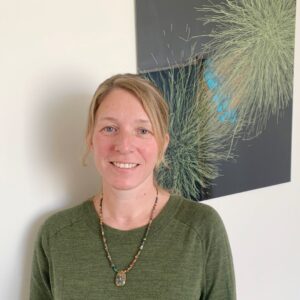
Stefanie Redemann
· Associate ProfessorVerifiedUniversity of Virginia · Molecular Physiology and Biological Chemistry
Active 2005–2026
About
Stefanie Redemann is an Associate Professor in the Department of Molecular Physiology and Biological Physics at the University of Virginia School of Medicine. She holds a Diploma in Biology from Technische Universität Darmstadt and a PhD in Cell Biology from the Max Planck Institute for Cell Biology and Genetics. Her postdoctoral training was conducted in Cell Biology and Biophysics at Technische Universität Dresden, Medical Theoretical Center. Her research focuses on understanding the key molecular and mechanical principles of spindle assembly and chromosome segregation during meiosis and mitosis. She investigates how eukaryotic cells divide by assembling microtubule-based spindle machinery that ensures the equal segregation of chromosomes between daughter cells. Errors in this process can lead to severe developmental, health, and survival consequences, including tumor initiation, progression, and poor patient prognosis due to aneuploidy. Chromosome segregation errors during meiosis are also a leading cause of early pregnancy loss and infertility. Dr. Redemann's work employs advanced imaging technologies such as large-scale 3D electron tomography and spinning disc live-cell microscopy, along with genetic tools like CRISPR, in tissue culture cells, mouse oocytes, and C. elegans embryos. Her research aims to elucidate the molecular and mechanical mechanisms underlying spindle assembly and chromosome segregation, contributing to the understanding of cell division and its implications for cancer and reproductive health.
Research topics
- Artificial Intelligence
- Computer Science
- Cell biology
- Biology
- Genetics
- Biophysics
- Optics
- Biochemistry
- Computer graphics (images)
- Computer vision
- Chemistry
Selected publications
Neurobiology of Disease · 2026-01-10
articleOpen accessMutations in FUSED IN SARCOMA (FUS ) cause juvenile-onset amyotrophic lateral sclerosis (ALS). Early pathogenesis of FUS-ALS involves impaired transcription and splicing, DNA damage response, and axonal degeneration. However, the molecular pathophysiology and the link between somatic and axonal phenotypes are still poorly understood. We evaluated whether compartment-specific transcriptome differences could distinguish and drive early axonal degeneration. We used iPSC-derived motor neurons (MNs) coupled with microfluidic approaches to generate RNA-sequencing profiles from axonal and somatodendritic compartments. We demonstrate that the axonal transcriptome is unique and distinct, with RNA metabolism, extracellular secretion, and matrix disassembly pathways particularly enriched in distal axonal compartments. FUS mutation leads to changes in distinct pathways that were clustered in only a few distinct protein-protein interaction (PPI) networks. Somatodendritic changes upon FUS mutation include WNT signaling, mitochondrial, extracellular matrix (ECM)-, and synapse-related functions. In contrast, analysis of the axonal transcriptome in mutant MNs centers on the PLK1 pathway, mitochondrial gene expression, and regulation of inflammation. Comparison to CLIP-seq data revealed a significant enrichment for PLK1 and DNA replication pathways in axons. PLK1 upregulation did not activate cell-cycle re-entry but contributed to mutant MN survival, and its inhibition increased neuronal cell death. We propose that upregulation of PLK1 represents an early event in the pathogenesis of ALS and could act in response to DNA damage, mitochondrial damage, and immune response activation in the affected cells. Additionally, downregulation of ECM pathways in the somatodendritic compartment and axons could explain strongly compromised dynamics of axonal outgrowth. Overall, we provide a novel valuable resource of the potential targets and affected processes changed in the specific compartments of FUS-ALS motoneurons. • Compartment-specific transcriptomics of FUS-P525L MNs reveal ALS-relevant changes. • WNT, mitochondrial and synaptic pathways are altered in somatodendritic compartment of ALS MNs. • PLK1, mitochondrial, inflammatory, and ECM pathways are dysregulated in axons. • CLIP-seq data revealed a nearly exclusive enrichment for PLK1 and DNA replication pathways in axons. • PLK1 upregulation promotes survival of FUS-P525L mutant motoneurons.
DZNE Pub · 2026-01-01
articleOpen accessbioRxiv (Cold Spring Harbor Laboratory) · 2026-01-16
articleOpen accessSenior authorABSTRACT The mitotic spindle segregates chromosomes through the coordinated actions of microtubules and molecular motors. Classic models propose that microtubules nucleate at spindle poles and grow inward to capture chromosomes; however, recent structural studies show that spindles contain short microtubules that do not span the distance between poles and chromosomes. It is unclear how these short microtubules assemble a bipolar spindle. Using cryo-electron tomography to map microtubule polarity in human metaphase spindles, we find that microtubules form locally antiparallel bundles with consistent 8 nm wall-to-wall spacing. We utilized motor perturbations and centriole depletion, which generated motor-active monopolar spindles, to reveal that the kinesin-5 motor Eg5 organizes local antiparallel overlap independently of spindle bipolarity. We found that bundles are organized by density-driven steric interactions rather than motor-mediated crosslinking. These findings support a self-organized, bottom-up model in which local microtubule-motor interactions within dense bundles generate forces that build the bipolar spindle, challenging pole-centric models. KEY FINDINGS Microtubules in metaphase spindles organize in locally antiparallel bundles with consistent 8 nm wall-to-wall spacing. The Eg5 motor generates antiparallel microtubule overlap independently of spindle bipolarity. Microtubule spacing scales with density through steric interactions, not direct motor crosslinking. Dynein regulates microtubule density to control bundle architecture; balanced Eg5-dynein density regulation maintains spindle bipolarity.
Mechanisms of cilia regeneration in Xenopus multiciliated epithelium in vivo
EMBO Reports · 2025-03-14 · 8 citations
articleOpen accessCilia regeneration is a physiological event, and while studied extensively in unicellular organisms, it remains poorly understood in vertebrates. In this study, using Xenopus multiciliated cells (MCCs), we demonstrate that, unlike unicellular organisms, deciliation removes the transition zone (TZ) and the ciliary axoneme. While MCCs immediately begin regenerating the axoneme, surprisingly, the TZ assembly is delayed. However, ciliary tip proteins, Sentan and Clamp, localize to regenerating cilia without delay. Using cycloheximide (CHX) to block protein synthesis, we show that the TZ protein B9d1 is not present in the cilia precursor pool and requires new transcription/translation, providing insights into the delayed repair of TZ. Moreover, MCCs in CHX treatment assemble fewer but near wild-type length cilia by gradually concentrating ciliogenesis proteins like IFTs at a few basal bodies. Using mathematical modeling, we show that cilia length, compared to cilia number, has a larger influence on the force generated by MCCs. Our results question the requirement of TZ in motile cilia assembly and provide insights into the fundamental question of how cells determine organelle size and number.
2025-03-25
peer-reviewSenior authorChromosomal passenger complex condensates generate parallel microtubule bundles in vitro
Journal of Biological Chemistry · 2024-01-23 · 14 citations
articleOpen accessThe mitotic spindle contains many bundles of microtubules (MTs) including midzones and kinetochore fibers, but little is known about how bundled structures are formed. Here, we show that the chromosomal passenger complex (CPC) purified from Escherichia coli undergoes liquid-liquid demixing in vitro. An emergent property of the resultant condensates is to generate parallel MT bundles when incubated with free tubulin and GTP in vitro. We demonstrate that MT bundles emerge from CPC droplets with protruding minus ends that then grow into long and tapered MT structures. During this growth, we found that the CPC in these condensates apparently reorganize to coat and bundle the resulting MT structures. CPC mutants attenuated for liquid-liquid demixing or MT binding prevented the generation of parallel MT bundles in vitro and reduced the number of MTs present at spindle midzones in HeLa cells. Our data demonstrate that an in vitro biochemical activity to produce MT bundles emerges after the concentration of the CPC and provides models for how cells generate parallel-bundled MT structures that are important for the assembly of the mitotic spindle. Moreover, these data suggest that cells contain MT-organizing centers that generate MT bundles that emerge with the opposite polarity from centrosomes.
Accurate and fast segmentation of filaments and membranes in micrographs and tomograms with TARDIS
bioRxiv (Cold Spring Harbor Laboratory) · 2024-12-20 · 14 citations
preprintOpen accessSegmentation of macromolecular structures is the primary bottleneck for studying biomolecules and their organization with electron microscopy in 2D/3D - requiring months of manual effort. Transformer-based Rapid Dimensionless Instance Segmentation (TARDIS) is a deep learning framework that automatically and accurately annotates membranes and filaments. Pre-trained TARDIS models can segment electron tomography (ET) reconstructions from both 3D and 2D electron micrographs of cryo and plastic-embedded samples. Furthermore, by implementing a novel geometric transformer architecture, TARDIS is the only method to provide accurate instance segmentations of these structures. Reducing the annotation time for ET data from months to minutes, we demonstrate segmentation of membranes and filaments in over 13,000 tomograms in the CZII Data Portal. TARDIS thus enables quantitative biophysical analysis at scale for the first time. We show this in application to kinetochore-microtubule attachment and viral-membrane interactions. TARDIS can be extended to new biomolecules and applications and open-source at https://github.com/SMLC-NYSBC/TARDIS.
bioRxiv (Cold Spring Harbor Laboratory) · 2024-04-20
preprintOpen accessAbstract In many animal species, the oocyte meiotic spindle, which is required for chromosome segregation, forms without centrosomes. In some systems, Ran-GEF on chromatin initiates spindle assembly. We found that in C. elegans oocytes, endogenously-tagged Ran-GEF dissociates from chromatin during spindle assembly but re-associates during meiotic anaphase. Meiotic spindle assembly occurred after auxin-induced degradation of Ran-GEF but anaphase I was faster than controls and extrusion of the first polar body frequently failed. In search of a possible alternative pathway for spindle assembly, we found that soluble tubulin concentrates in the nuclear volume during germinal vesicle breakdown. We found that the concentration of soluble tubulin in the metaphase spindle region is enclosed by ER sheets which exclude cytoplasmic organelles including mitochondria and yolk granules. Measurement of the volume occupied by yolk granules and mitochondria indicated that volume exclusion would be sufficient to explain the concentration of tubulin in the spindle volume. We suggest that this concentration of soluble tubulin may be a redundant mechanism promoting spindle assembly near chromosomes.
Science Signaling · 2024-01-30 · 11 citations
articleOpen accessTargeted degradation regulates the activity of the transcriptional repressor Bcl6 and its ability to suppress oxidative stress and inflammation. Here, we report that abundance of endothelial Bcl6 is determined by its interaction with Golgi-localized pannexin 3 (Panx3) and that Bcl6 transcriptional activity protects against vascular oxidative stress. Consistent with data from obese, hypertensive humans, mice with an endothelial cell–specific deficiency in Panx3 had spontaneous systemic hypertension without obvious changes in channel function, as assessed by Ca 2+ handling, ATP amounts, or Golgi luminal pH. Panx3 bound to Bcl6, and its absence reduced Bcl6 protein abundance, suggesting that the interaction with Panx3 stabilized Bcl6 by preventing its degradation. Panx3 deficiency was associated with increased expression of the gene encoding the H 2 O 2 -producing enzyme Nox4, which is normally repressed by Bcl6, resulting in H 2 O 2 -induced oxidative damage in the vasculature. Catalase rescued impaired vasodilation in mice lacking endothelial Panx3. Administration of a newly developed peptide to inhibit the Panx3-Bcl6 interaction recapitulated the increase in Nox4 expression and in blood pressure seen in mice with endothelial Panx3 deficiency. Panx3-Bcl6-Nox4 dysregulation occurred in obesity-related hypertension, but not when hypertension was induced in the absence of obesity. Our findings provide insight into a channel-independent role of Panx3 wherein its interaction with Bcl6 determines vascular oxidative state, particularly under the adverse conditions of obesity.
Collapse of late endosomal pH elicits a rapid Rab7 response via the V-ATPase and RILP
Journal of Cell Science · 2024-04-05 · 14 citations
articleOpen accessEndosomal-lysosomal trafficking is accompanied by the acidification of endosomal compartments by the H+-V-ATPase to reach low lysosomal pH. Disruption of the correct pH impairs lysosomal function and the balance of protein synthesis and degradation (proteostasis). Here, we treated mammalian cells with the small dipeptide LLOMe, which is known to permeabilize lysosomal membranes, and find that LLOMe also impacts late endosomes (LEs) by neutralizing their pH without causing membrane permeabilization. We show that LLOMe leads to hyperactivation of Rab7 (herein referring to Rab7a), and disruption of tubulation and mannose-6-phosphate receptor (CI-M6PR; also known as IGF2R) recycling on pH-neutralized LEs. pH neutralization (NH4Cl) and expression of Rab7 hyperactive mutants alone can both phenocopy the alterations in tubulation and CI-M6PR trafficking. Mechanistically, pH neutralization increases the assembly of the V1G1 subunit (encoded by ATP6V1G1) of the V-ATPase on endosomal membranes, which stabilizes GTP-bound Rab7 via RILP, a known interactor of Rab7 and V1G1. We propose a novel pathway by which V-ATPase and RILP modulate LE pH and Rab7 activation in concert. This pathway might broadly contribute to pH control during physiologic endosomal maturation or starvation and during pathologic pH neutralization, which occurs via lysosomotropic compounds and in disease states.
Frequent coauthors
- 62 shared
Thomas Müller‐Reichert
Physiopathologie et imagerie des troubles neurologiques
- 24 shared
Jan Brugués
Max Planck Institute of Molecular Cell Biology and Genetics
- 20 shared
Steffen Prohaska
Zuse Institute Berlin
- 20 shared
Sebastian Fürthauer
TU Wien
- 19 shared
Michael Shelley
- 18 shared
Robert Kiewisz
Simons Foundation
- 18 shared
Ehssan Nazockdast
- 18 shared
Norbert Lindow
Zuse Institute Berlin
Education
- 2009
PhD
Max Planck Institute for Cell Biology and Genetics
- Resume-aware match score
- Save to shortlist
- AI-drafted outreach
See your match with Stefanie Redemann
PhdFit ranks faculty by your research interests, methods, and publications — grounded in their actual work, not templates.
- Free to start
- No credit card
- 30-second signup