
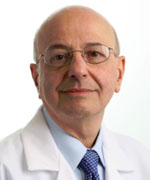
Soly Baredes
· Professor and ChairRutgers University · Otolaryngology - Head and Neck Surgery
Active 1984–2026
About
Dr. Soly Baredes is a Professor and Chair of the Department of Otolaryngology at Rutgers New Jersey Medical School. He began his more than three-decade career in Head and Neck Surgery on the faculty of Columbia University College of Physicians and Surgeons, where he received the Clinical Investigator Development Award from the NIH. He joined the faculty of New Jersey Medical School in 1988 and currently serves as the department's chairman. His clinical interests include benign and malignant head and neck tumor surgery, skull base surgery, thyroid and parathyroid surgery, robotic surgery, and voice and swallowing disorders. Throughout his career, Dr. Baredes has been dedicated to education and scholarly activities, receiving awards such as the Edmund Prince Fowler Award for Excellence in Basic Research from the American Laryngological, Rhinological and Otological Society, and the Certificate of Honor from the American Academy of Otolaryngology-Head and Neck Surgery. He has held leadership roles including past Chairman of the Otolaryngology Section of the New York Academy of Medicine, and past President of the New York Head and Neck Society and the New York Laryngological Society. Dr. Baredes is a member of the Alpha Omega Alpha Honor Medical Society at Rutgers and was named Faculty of the Year in Clinical Science in 2011.
Research topics
- Computer Science
- Surgery
- Medicine
- Political Science
- Internal medicine
- Cancer research
- Family medicine
- Medical education
- Psychology
Selected publications
Cancer Research · 2026-04-17
articleAbstract Oral cancer kills over 180 thousand peoplearound the world each year, and can cause permanent sequelae in survivors. Over90 percent of oral cancers are oral squamous cell carcinomas (OSCC). Thepodoplanin (PDPN) receptor has emerged as a functionally relevant biomarker andchemotherapeutic target expressed by OSCC cells. PDPN signaling can directlyincrease tumor cell invasion and metastasis, and inhibit host lymphocyteactivation and immune response. Antibodies and Maackia amurensis seedlectin (MASL) can target PDPN to inhibit OSCC cell migration and viability. Weconducted a Phase 1 human clinical trial to examine the effects of MASL on OSCCcell morphology, PDPN expression, and immune cell infiltration in oral cancerpatient lesions. We also examined the effects of MASL on motility, viability,and PDPN expression in cells cultured from these patient lesions. Oral MASLadministration was found to be safe and did not produce any adverse effects inany patients in this study. MASL did not affect OSCC cell morphology in lesionsin situ, but appeared to increase lymphocyte infiltration into tumor fields inone out of three patients examined within 24 hours after dosing (p<0.01).MASL also inhibited the growth and motility of all OSCC cells cultured fromthese patient lesions in a dose dependent manner in vitro (p<0.05 in allcases). We also examined the ability of antibodies to target PDPN and kill OSCCcells by near-infrared photoimmunotherapy (NIR-PIT). We found that antibodiescan target PDPN on OSCC cells from patients to destroy them by NIR-PIT. Theseresults suggest that protocols using MASL and photoimmunotherapy targeting PDPNcan be developed to effectively treat OSCC lesions in oral cancer patients. Inparticular, these data support the overall approach of using antibodies thatrecognize human PDPN to target and kill human OSCC cells by NIR-PIT. Thesenovel results support a general and powerful approach to use NIR-PIT to treatoral cancer patients and, by deduction, patients with other cancers thatexpress the PDPN receptor. Citation Format: Ariel C. Yin, Cayla J. Holdcraft, Tyler J. Hellmig, Eamonn J. Brace, David I. Suster, Alan J. Shienbaum, Dylan Roden, Evelyne Kalyousef, Ghayoour Mir, Eugenio Capitle, Soly Baredes, Rabie Shanti, Mika K. Kaneko, Yukinari Kato, Hisataka Kobayashi, Aki Furusawa, Mahnaz Fatahzadeh, Gary S. Goldberg. Effects of Maackia amurensis seed lectin (MASL) on OSCC cell morphology, PDPN expression, viability, and motility in a phase 1 clinical trial [abstract]. In: Proceedings of the American Association for Cancer Research Annual Meeting 2026; Part 2 (Late-Breaking, Clinical Trial, and Invited Abstracts); 2026 Apr 17-22; San Diego, CA. Philadelphia (PA): AACR; Cancer Res 2026;86(8_Suppl):Abstract nr CT047.
Occult Nodal Involvement in Sinonasal Squamous Cell Carcinoma
American Journal of Rhinology and Allergy · 2025-08-26 · 1 citations
articleBackground Sinonasal squamous cell carcinoma (SNSCC) is an aggressive subtype of sinonasal cancer. While elective neck dissection (END) is not typically recommended for SNSCC, occult nodal involvement (ONI) may be present. We therefore sought to evaluate the incidence, associated factors, and survival impact of ONI in SNSCC. Methods The National Cancer Database was queried for patients with SNSCC from 2004 to 2016. Data regarding patient demographics, clinicopathology, and treatment were obtained. Univariate and multivariate logistic regression and Kaplan–Meier analyses were conducted to identify predictors of ONI with odds ratios (ORs) and overall survival. Results In total, 522 patients satisfied inclusion criteria. Most patients were elderly (>60 years old, 55.0%), male (67.2%), White (86.4%), and insured with Medicare (44.1%). Cases of SNSCC most frequently involved the paranasal sinuses (69.7%), were T-stage 4 (50.6%), moderately differentiated (52.5%), underwent treatment at academic centers (76.4%), and lacked lymphovascular invasion (LVI, 84.4%). ONI was observed in 10.9% of patients. Following propensity score matching, ONI significantly negatively impacted survival: 3 year survival was 65% for patients without ONI and 35% for patients with ONI (log-rank P < .001). The highest rate of ONI was observed in patients with LVI (31.4%). On multivariate analysis, LVI was the sole predictor of ONI (OR: 6.75, 95% confidence interval: 3.09-14.73, P < .001). Conclusions ONI was identified in 10.9% of patients with SNSCC and was found to be a negative prognostic factor for survival. Patients with identified LVI may benefit from END. Level of Evidence: 4
Indian Journal of Otolaryngology and Head & Neck Surgery · 2025-11-05
articleMissed Adjuvant Therapy Following Upfront Laryngectomy for Laryngeal Squamous Cell Carcinoma
Laryngoscope Investigative Otolaryngology · 2025-10-01
articleOpen accessABSTRACT Objective To investigate adjuvant therapy considerations, utilization, and associated overall survival (OS) following upfront laryngectomy for laryngeal squamous cell carcinoma (LSCC). Methods The 2010 to 2017 National Cancer Database was retrospectively reviewed for patients undergoing upfront laryngectomy ( N = 3360). Kaplan–Meier, multivariable binary logistic, and Cox proportional hazards regression models were implemented. Results Among 2997 patients with consideration(s) for adjuvant radiotherapy (aRT) (i.e., pT3‐4, pN2‐3 classification, lymphovascular invasion, pathologic extranodal extension (pENE), and/or positive surgical margins [PSM]), 1176 (39.2%) did not undergo adjuvant therapy and were considered to have missed aRT. Among 992 patients with consideration(s) for adjuvant chemoradiotherapy (aCRT) (i.e., pENE and/or PSM), 169 (17.0%) underwent aRT alone and were considered to have missed aCRT. Older age and increased distance to the reporting facility were associated with higher adjusted odds of both missed aRT ( p < 0.001) and missed aCRT ( p < 0.025). Patients with pENE only ( N = 343, 57.6%) and pENE and PSM ( N = 96, 56.8%) underwent aCRT more frequently than those with PSM only ( N = 97, 42.5%) ( p < 0.001). Missed aRT was associated with worse OS among 2005 patients with consideration(s) for aRT alone (i.e., pT3‐4, pN2‐3 classification, and/or LVI without pENE or PSM) (aHR 1.23, 95% CI 1.05–1.44, p = 0.011) and among 992 patients with consideration(s) for aCRT (aHR 1.85, 95% CI 1.52–2.24, p < 0.001). Conclusion Missed aRT following upfront laryngectomy for LSCC occurs frequently and portends worse OS. Identifying patients at risk of off‐guideline management may create opportunities for quality improvement in the multidisciplinary care of patients undergoing upfront laryngectomy for LSCC. Level of Evidence 4.
The Laryngoscope · 2025-01-27
articleOpen accessCostal cartilage is commonly used as a graft material to revise and reconstruct the nasal framework during both primary and revision rhinoplasty. Although autologous costal cartilage has long been considered a gold standard, it carries the disadvantages of donor site morbidity, increased surgical time and cost, and necessity of general anesthesia.1, 2 Consequently, cadaveric costal cartilage grafts are commonly employed as an alternative solution. Traditionally, sterilization of these grafts was achieved through irradiation; however, studies have demonstrated higher rates of resorption, warping, and infection using irradiated homologous costal cartilage.1 More recently, fresh frozen homologous costal cartilage (Musculoskeletal Tissue Foundation, Edison, N.J.) has been made commercially available as a nonirradiated option for cadaveric cartilage.1 This allograft is harvested from the seventh to ninth ribs, debrided of surrounding soft tissue, rinsed with surfactant, soaked in antibiotic solution, stored frozen at −80 to −40°C, and defrosted just prior to use.1, 3 Although several recent studies have summarized single institution experiences with fresh frozen cartilage use, no formal guidelines exist regarding the safety and efficacy of its use compared with more established options. This review summarizes the outcomes of recent literature describing clinical outcomes and complication rates associated with primary and revision rhinoplasty using fresh frozen homologous costal cartilage grafts as compared with autologous costal cartilage (Table I). 6 mo–8 yr (Mean = 12.2 mo) 2.7% Infection 2.7% Warping 0% Displacement 2.2% Revision 2–38 mo (Mean = 15.0) 0% Infection 0% Warping 4.8% Resorption 10% Revision 12–46 mo (Mean = 20.3) 2.1% Infection 0% Warping 0% Resorption 0% Displacement 2.1% Revision 1–47 mo (Mean = 14.8) Increased post-op satisfaction 0% Infection 8% Warping 8% Resorption 2% Scarring 16% Revision Smaller change in deviation, nasolabial angle Lower cost, less opioid requirement N/A 9 studies In 2022, Rohrich et al. published a retrospective review of the senior author's 9-year experience with 226 patients who underwent revision rhinoplasty using fresh frozen cartilage.3 This study provided a continuation of preliminary data published in 2019 as the earliest report of fresh frozen cartilage grafts in the literature.1 Graft uses included alar contour, septal extension, columellar strut, dorsal onlay, and nasal side wall/batten grafting. Patients were followed for at least 6 months. They reported a 2.7% infection rate (six cases, one requiring explantation), 4.0% nasal tip erythema, 2.7% graft warping, 2.2% revision, and no graft displacement or extrusion. These rates were found to be consistent with those reported for autologous and irradiated homologous cartilage from prior meta-analyses. They also reported an anecdotal advantage of customizing allograft selection based on desired graft properties; specifically, specimens with a yellowish hue offer greater structural rigidity while those with a whitish hue offer greater flexibility likely due to differences in calcification. Milkovich and Ahmad similarly reported on a single surgeon’ experience with 21 patients followed for 2.0–37.8 months receiving primary and secondary rhinoplasty using fresh frozen cartilage predominantly for alar contour, septal extension, spreader, columellar strut, splinting, and lateral crural strut grafts.4 The authors reported that 90% of the patients were “very satisfied” with cosmetic results while 10% were “satisfied” but still requested additional revision surgery. They reported no cases of infection or warping and found one case of resorption (4.8%). Hanna et al. published the largest single-surgeon case series to date, with 282 primary and secondary rhinoplasties using fresh frozen costal cartilage.5 They did not report which graft types were performed. Patients were followed for at least 12 months. They noted a 2.1% infection rate, 2.1% revision, and no cases of warping, resorption, explantation, or displacement, which are comparable to rates for autologous cartilage reported in the literature. Like the Rohrich group, they also comment on differences between yellow versus white fresh frozen cartilage specimens. Additionally, while they did not directly compare mechanical properties with those of autologous costal cartilage, they did note that fresh frozen costal cartilage does not respond as well to scoring and has a greater risk of fracture during suturing when compared with autologous septal cartilage. Wan et al. described the first prospective nonrandomized clinical trial comparing fresh frozen with autologous costal cartilage grafts in 50 primary and revision rhinoplasties, all performed by the senior author.2 Both groups included spreader, nasal tip, septal extension, dorsal onlay, columellar strut, and alar grafts. Patients were followed for 1–47 months. To assess warping, resorption, and displacement, the authors compared the deviation angle, nasofrontal angle, total facial convexity, nasofacial angle, and nasolabial angle as measured on photographs taken 6 versus 12 months postoperatively. They found that autologous cartilage was associated with a significantly greater change in deviation and nasolabial angles. Both groups reported increased satisfaction with nasal appearance after surgery with no statistically significant differences in subjective cosmetic outcomes between the two groups as measured by the FACE-Q patient-reported outcome measure. The fresh frozen group had no infections, an 8% resorption rate, 8% warping, 2% scarring, and 16% revision; the autologous group had a 4% infection rate (representing one case which required explantation), 8% resorption, 12% warping, 16% scarring, 12% revision, and no pneumothoraces. A statistical comparison was not performed for complication rates. This group also reported a lower overall surgical cost associated with using fresh frozen rather than autologous cartilage even accounting for cost of shipment and storage, as well as reduced opioid requirement. Most recently, Salzano et al. conducted a narrative review summarizing nine articles published between 2019 and 2023 describing the use of homologous costal cartilage in rhinoplasty, including the four above articles, four additional case series, and one in vitro study.1 Of note, none of the studies reviewed represented randomized controlled trials, and only one included a control group.2 In addition to the above findings, they cited an association of fresh frozen cartilage with reduced structural support, similar warping, and shorter operative times when compared with autologous cartilage.1 They conclude that fresh frozen cartilage represents a valid alternative to autologous rib cartilage that provides similar outcomes while avoiding donor site morbidity and reducing operative time. Fresh frozen homologous costal cartilage in rhinoplasty represents an alternative approach that has been described mostly through single surgeon case series in the existing literature. Many of these studies are modest in size, and while they demonstrate comparable rates of infection, warping, resorption, and revision as historically reported for autologous cartilage, there remains a lack of randomized controlled trials to provide statistical comparisons and inform best practices. Further research is needed to quantify differences in mechanical properties, long-term aesthetic and clinical outcomes, and overall costs associated with fresh frozen costal cartilage, autologous costal cartilage, and other alternative cartilage graft sources. However, these early studies suggest that fresh frozen homologous costal cartilage is a safe, effective, and potentially customizable alternative to the conventional gold standard of autologous costal cartilage, particularly among patients who may not tolerate the risks associated with harvesting from the donor site. The current literature is limited. This best practice guideline reviews one nonrandomized prospective cohort study (Level III), three case series (Level IV), and one narrative review (Level IV).
Journal of Cancer Research and Clinical Oncology · 2025-07-19
articleOpen accessBACKGROUND: Podoplanin (PDPN) has emerged as a functionally relevant biomarker and chemotherapeutic target expressed by OSCC cells. PDPN signaling can directly increase tumor cell invasion and metastasis, and also inhibit host lymphocyte activation and immune response. Accordingly, antibodies and Maackia amurensis seed lectin (MASL) can target the PDPN receptor to inhibit OSCC cell migration and viability. However, the effects of MASL on OSCC cells in oral cancer patients has not yet been reported. METHODS: We conducted a Phase 1 human clinical trial to examine the effects of a single 100 mg oral dose of MASL on OSCC cell morphology, PDPN expression, and immune cell infiltration in lesions in oral cancer patients. We also examined the effects of MASL on the PDPN expression, motility, and viability of cells cultured from these patient lesions. In addition, we examined the ability of antibodies to target PDPN and kill OSCC cells by near-infrared photoimmunotherapy. RESULTS: MASL administration was found to be safe and did not produce any adverse effects in any patients. While this single dose did not affect OSCC cell morphology in lesions in situ, it did appear to increase lymphocyte infiltration into tumor fields in one patient by over 5 fold (p < 0.01). In addition, MASL inhibited the growth and motility of all OSCC cells cultured from these patient lesions in a dose responsive manner in vitro (p < 0.05 in all cases) We also report that antibodies can target PDPN on OSCC cells obtained from these patients to destroy them by near-infrared photoimmunotherapy (NIR-PIT). CONCLUSION: These results suggest that protocols using MASL and photoimmunotherapies that target PDPN can be developed to effectively treat OSCC lesions in oral cancer patients.
Biochemical and Biophysical Research Communications · 2024-04-03 · 2 citations
articleOpen accessMaackia amurensis lectins serve as research and botanical agents that bind to sialic residues on proteins. For example, M. amurensis seed lectin (MASL) targets the sialic acid modified podoplanin (PDPN) receptor to suppress arthritic chondrocyte inflammation, and inhibit tumor cell growth and motility. However, M. amurensis lectin nomenclature and composition are not clearly defined. Here, we sought to definitively characterize MASL and its effects on tumor cell behavior. We utilized SDS-PAGE and LC-MS/MS to find that M. amurensis lectins can be divided into two groups. MASL is a member of one group which is composed of subunits that form dimers, evidently mediated by a cysteine residue in the carboxy region of the protein. In contrast to MASL, members of the other group do not dimerize under nonreducing conditions. These data also indicate that MASL is composed of 4 isoforms with an identical amino acid sequence, but unique glycosylation sites. We also produced a novel recombinant soluble human PDPN receptor (shPDPN) with 17 threonine residues glycosylated with sialic acid moieties with potential to act as a ligand trap that inhibits OSCC cell growth and motility. In addition, we report here that MASL targets PDPN with very strong binding kinetics in the nanomolar range. Moreover, we confirm that MASL can inhibit the growth and motility of human oral squamous cell carcinoma (OSCC) cells that express the PDPN receptor. Taken together, these data characterize M. amurensis lectins into two major groups based on their intrinsic properties, clarify the composition of MASL and its subunit isoform sequence and glycosylation sites, define sialic acid modifications on the PDPN receptor and its ability to act as a ligand trap, quantitate MASL binding to PDPN with KD in the nanomolar range, and verify the ability of MASL to serve as a potential anticancer agent.
Adverse jaw outcomes from immune checkpoint inhibitors for head-and-neck cancer? Case reports.
PubMed · 2024-02-01 · 1 citations
articleRadiation treatment plays a mainstream role in the management of head and neck cancers (HNSCC). Adverse effects from radiation therapy include osteoradionecrosis of the jaw, and rarely, pathological fracture. Immune checkpoint inhibitors (ICI) such as pembrolizumab are of growing relevance to the management of metastatic and recurrent HNSCC. Adverse impact on bone secondary to medications such as pembrolizumab and nivolumab have been sporadically documented in the literature. The objective of this manuscript is to raise awareness of possible increase in risk for adverse jaw outcomes in patients with HNSCC exposed to both radiation treatment to the jaws and ICI therapy. This manuscript documents adverse jaw outcomes including osteonecrosis and pathological fracture of the mandible in two patients receiving pembrolizumab for management of HNSCC and had received prior radiation treatment. A potential link between immunotherapy and adverse jaw outcomes is consistent with our growing understanding of osteoimmunology, investigating the closely interrelated processes in bone remodeling and immune system function, in health and disease. It is important to ascertain if pembrolizumab poses an incremental risk for such outcomes, beyond the risk from prior radiation, for patients managed with radiation treatment and ICI therapy for HNSCC. The general dentist may encounter such patients either in the context of facilitating dental clearance prior to initiation of chemotherapy, or rarely, with poorly explained jaw symptoms and must be alert to the possibility of occurrence of such adverse jaw events to facilitate timely diagnosis and optimal patient management.
Facility Volume and Changing Facilities for Postoperative Radiotherapy in Salivary Gland Cancer
The Laryngoscope · 2024-06-19 · 2 citations
articleOpen accessOBJECTIVES: Changing location of postoperative radiotherapy (PORT) after treatment at a high-volume facility (HVF) is associated with worse survival in various head and neck cancers. Our study investigates this relationship in salivary gland cancer (SGC). METHODS: The 2004-2016 National Cancer Database was queried for all cases of adult SGC treated with surgery and PORT with or without adjuvant chemotherapy. Patients with multiple cancer diagnoses, metastatic disease, or unknown PORT facility were excluded. Reporting facilities with >95th percentile annual case volume were classified as HVFs, the remainder were classified low-volume facilities (LVFs). RESULTS: A total of 7885 patients met inclusion criteria, of which 418 (5.3%) were treated at an HVF. Patients treated at an HVF had higher rates clinical nodal positivity (18.2% vs. 14.0%, p < 0.001) and clinical T3/T4 (27.3% vs. 20.7%, p = 0.001) disease. Patients at HVFs changed facility for PORT at lower rates (18.9% vs. 24.5%, p = 0.009). Patients treated at an HVF had higher 5-year overall survival (5-OS) than those treated at an LVF (79.0% vs. 72.0%, p = 0.042). Patients treated at an HVF that changed PORT facility had worse 5-OS (60.8% vs. 83.2%, p < 0.001). Radiation facility change was an independent predictor of worse survival in patients treated at an HVF (HR: 8.99 [3.15-25.67], p < 0.001) but not for patients treated at a LVF (HR: 1.11 [0.98-1.25], p = 0.109). CONCLUSIONS: Patients treated at an HVF changing facility for PORT for SGC experience worse survival. Our data suggest patients treated surgically at an HVF should be counseled to continue their PORT at the same institution. LEVEL OF EVIDENCE: 3 Laryngoscope, 134:4935-4946, 2024.
Adverse jaw outcomes from immune checkpoint inhibitors for head and neck cancer? Case reports.
PubMed · 2024-03-27
articleRadiation treatment plays a mainstream role in the management of head and neck squamous cell carcinomas (HNSCCs). Adverse effects from radiation therapy include osteoradionecrosis of the jaw, and rarely, pathologic fracture. Immune checkpoint inhibitors (ICI) such as pembrolizumab are of growing relevance to the management of metastatic and recurrent HNSCCs. Adverse impacts on bone secondary to medications such as pembrolizumab and nivolumab have been sporadically documented in the literature. The objective of this manuscript is to raise awareness of possible increase in risk for adverse jaw outcomes in patients with HNSCCs exposed to both radiation treatment to the jaws and ICI therapy. This manuscript documents adverse jaw outcomes including osteonecrosis and pathologic fracture of the mandible in two patients receiving pembrolizumab for management of HNSCC who had received prior radiation treatment. A potential link between immunotherapy and adverse jaw outcomes is consistent with the growing understanding of osteoimmunology, investigating the closely interrelated processes in bone remodeling and immune system function, in health and disease. It is important to ascertain if pembrolizumab poses an incremental risk for such outcomes, beyond the risk from prior radiation, for patients managed with radiation treatment and ICI therapy for HNSCC. The general dental practitioner may encounter such patients either in the context of facilitating dental clearance prior to initiation of chemotherapy, or rarely, with poorly explained jaw symptoms and must be alert to the possibility of occurrence of such adverse jaw events to facilitate timely diagnosis and optimal patient management.
Recent grants
NIH · $196k · 1990
Frequent coauthors
- 965 shared
Jean Anderson Eloy
Neurological Surgery
- 150 shared
Richard Chan Woo Park
Rutgers New Jersey Medical School
- 129 shared
Christina H. Fang
Montefiore Medical Center
- 119 shared
Peter F. Svider
- 118 shared
James K. Liu
Rutgers, The State University of New Jersey
- 100 shared
James K. Liu
Rutgers New Jersey Medical School
- 91 shared
Alejandro Vázquez
University of Tennessee at Knoxville
- 82 shared
Wayne D. Hsueh
Rutgers, The State University of New Jersey
Education
- 1976
M.D.
Columbia University, College of Physicians & Surgeons
- 1972
B.A.
Columbia University
Awards & honors
- Clinical Investigator Development Award from the NIH
- Edmund Prince Fowler Award for Excellence in Basic Research…
- Certificate of Honor from the American Academy of Otolaryngo…
- Resume-aware match score
- Save to shortlist
- AI-drafted outreach
See your match with Soly Baredes
PhdFit ranks faculty by your research interests, methods, and publications — grounded in their actual work, not templates.
- Free to start
- No credit card
- 30-second signup