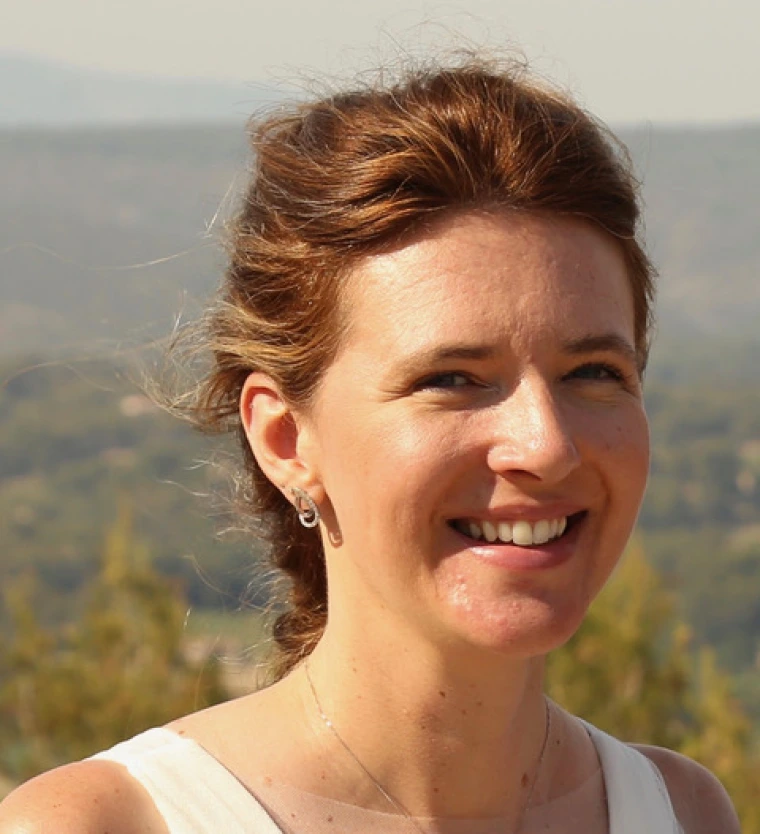
Solange Duhamel
· Associate Professor, MCBVerifiedUniversity of Arizona · Biochemistry and Molecular Biology
Active 1995–2026
About
Solange Duhamel is an Associate Professor in the Department of Molecular and Cellular Biology (MCB) at the University of Arizona. She holds multiple associate professorships across various departments including Planetary Sciences and Lunar and Planetary Laboratory, Environmental Sciences, Genetics - GIDP, and the Bio5 Institute. Her office is located in Life Sciences South, Room 354, with laboratory spaces in Rooms 309 and 315. The university recognizes her contributions within a broader context of indigenous land acknowledgment and community engagement. Specific details about her research focus, background, or key contributions are not provided on the page.
Research topics
- Biology
- Environmental science
- Natural resource economics
- Economics
- Chemistry
- Oceanography
- Botany
- Earth science
- Geology
- Business
- Environmental chemistry
- Microbiology
Selected publications
Microbial dispersal from a hyperactive sandsheet in the Icelandic Highland
The Science of The Total Environment · 2026-03-10
articleSenior authorCorrespondingDual-BONCAT reveals distinct subpopulations of anabolically active cells
Applied and Environmental Microbiology · 2026-04-16
articleOpen accessABSTRACT Bio-orthogonal non-canonical amino acid tagging (BONCAT) has emerged as a prominent molecular technique that enables microbial ecologists to visualize and identify metabolically active cells in cultures and complex microbial communities. To date, researchers have used just one non-canonical amino acid (ncAA) in a given experiment; here, we validate a novel approach using two different ncAAs in a single experiment. This advancement facilitates the detection of differentially active subpopulations within the same experimental context, thereby reducing the uncertainty and variability associated with parallel treatments and providing precise spatial information about organisms that are active under distinct conditions or at different times. We show that both ncAAs can be taken up by E. coli cultures and by constituents of the Little Sippewissett Salt Marsh microbiome, resulting in fluorescence signals that are significantly higher than background and ncAA-free control experiments, as well as differential labeling patterns reflective of distinct subpopulations. As a proof of concept, we implemented this “dual-BONCAT” approach in salt marsh sediments, adding one ncAA during daytime hours and the other at night. Subpopulations of cells that were anabolically active during the day and/or night were distinguishable by both fluorescence microscopy and by fluorescence-activated cell sorting. Subsequent high-throughput 16S rRNA gene amplicon sequencing of active subpopulations revealed that Methylobacterium , potentially feeding on plant exudate carbon, was preferentially active during the day, while sulfur-cycling taxa dominated the night-active population. Dual-BONCAT offers an important advancement in multiplexing substrate analog probing techniques, providing a more realistic understanding of metabolic activity under distinct environmental conditions. IMPORTANCE Microbial communities are complex and dynamic, with different groups of microbes active under distinct conditions. Bio-orthogonal non-canonical amino acid tagging (BONCAT) uses synthetic amino acids to tag newly made proteins, allowing researchers to see and identify the active subset of a community. While BONCAT studies to date have used a single synthetic amino acid to evaluate cell activity in a single experimental context, here, we introduce a new approach, “dual-BONCAT,” using two synthetic amino acids to track differential responses to changing conditions. After validating the approach with E. coli , we deployed it in a salt marsh sediment community, finding that organisms potentially feeding on plant root sugars were more active during the day, while microbes likely metabolizing sulfur were more active at night. We believe dual-BONCAT will prove useful in many studies, as it illuminates microbial community responses to changing conditions, which has important implications for ecosystem dynamics.
Communications Biology · 2025-11-24 · 2 citations
articleOpen accessSenior authorCorrespondingHow natural environments transition from uninhabited to inhabited is an incompletely understood question in ecology. We leverage the 2021-2023 Fagradalsfjall eruptions in Iceland as a natural experiment, tracking microbial colonization on the new lava over three years, including lava that had solidified only hours before collection. Samples were collected from fixed sites biweekly for the 2021 eruption phase and then at multiple time points over the next three years, resulting in a unique temporal dataset for primary succession. As the same system erupted again in 2022 and 2023, we were able to monitor a natural ecological triplicate. We use multiple lines of evidence to demonstrate dynamic but predictable community assembly processes. We use alpha and beta diversity, phylogenetic null modeling, taxa volatility, and Bayesian source tracking to propose a two-stage process: (1) rapid establishment of a variable microbial assemblage, followed by (2) stabilization after winter onset. A random forest regression model, trained on 2021 eruption microbial community data, accurately predicts the successional stage in the 2022 and 2023 eruptions. This study underscores the dynamic and predictable nature of microbial colonization in harsh environments, offering insights into primary succession and its role in shaping Earth's ecosystems.
2024-03-08
preprintOpen accessWe have conducted experiments with both laboratory cultures and natural plankton assemblages, together with basin-scale observations across the Atlantic Ocean, to investigate the interactive effects of temperature and nutrient supply on phytoplankton across multiple levels of biological organization, including molecules, cells, populations and communities. Laboratory data indicate that nutrient supply has a stronger effect than temperature on photosynthetic protein abundance, C:N stoichiometry, photosynthesis and growth. Due to changing resource allocation into photosynthetic machinery, the chlorophyll a (chl a) content of cells is strongly dependent on both temperature and nutrient availability, which has implications for the use of chl a concentration as a proxy for phytoplankton biomass in the ocean. Across the tropical and subtropical Atlantic, experimental nutrient enrichment consistently causes an increase in chl a concentration, picoeukaryote abundance and the contribution of small nanophytoplankton to total biomass, all of which take place irrespective of temperature. Light-harvesting capacity is synergistically stimulated by warming and nutrient addition in both picocyanobacteria and picoeukaryotes. The latitudinal variability in elemental composition of different phytoplankton groups, determined on single cells with X-ray microanalysis across the temperate, subtropical and tropical Atlantic, reveals the effect of changing temperature and nutrient supply on C:N:P stoichiometry. Our experimental and observational results suggest that while changes in nutrient supply have a stronger effect than temperature on growth, metabolic rates, community structure and elemental stoichiometry, the warming of the surface ocean may increase the ability of tropical phytoplankton assemblages to exploit events of enhanced nutrient availability. Across multiple levels of biological organization, nutrient limitation tends to reduce the effects of temperature on phytoplankton ecophysiology.
ISME Communications · 2024-01-01 · 4 citations
articleOpen accessSenior authorCorrespondingAbstract Constitutive mixoplankton—plastid–bearing microbial eukaryotes capable of both phototrophy and phagotrophy—are ubiquitous in marine ecosystems and facilitate carbon transfer to higher trophic levels within aquatic food webs, which supports enhanced sinking carbon flux. However, the regulation of the relative contribution of photosynthesis and prey consumption remains poorly characterized. We investigated the transcriptional dynamics behind this phenotypic plasticity in the prasinophyte green alga Pterosperma cristatum. Based on what is known of other mixoplankton species that cannot grow without photosynthesis (obligate phototrophs), we hypothesized that P. cristatum uses phagotrophy to circumvent the restrictions imposed on photosynthesis by nutrient depletion, to obtain nutrients from ingested prey, and to maintain photosynthetic carbon fixation. We observed an increase in feeding as a response to nutrient depletion, coinciding with an upregulation of expression for genes involved in essential steps of phagocytosis including prey recognition, adhesion and engulfment, transport and maturation of food vacuoles, and digestion. Unexpectedly, genes involved in the photosynthetic electron transfer chain, pigment biosynthesis, and carbon fixation were downregulated as feeding increased, implying an abatement of photosynthesis. Contrary to our original hypothesis, our results therefore suggest that depletion of inorganic nutrients triggered an alteration of trophic behavior from photosynthesis to phagotrophy in P. cristatum. While this behavior distinguishes P. cristatum from other groups of constitutive mixoplankton, its physiological response aligns with recent discoveries from natural microbial communities. These findings indicate that mixoplankton communities in nutrient-limited oceans can regulate photosynthesis against bacterivory based on nutrient availability.
Recommendations for advancing mixoplankton research through empirical-model integration
Frontiers in Marine Science · 2024-06-05 · 9 citations
articleOpen accessProtist plankton can be divided into three main groups: phytoplankton, zooplankton, and mixoplankton. In situ methods for studying phytoplankton and zooplankton are relatively straightforward since they generally target chlorophyll/photosynthesis or grazing activity, while the integration of both processes within a single cell makes mixoplankton inherently challenging to study. As a result, we understand less about mixoplankton physiology and their role in food webs, biogeochemical cycling, and ecosystems compared to phytoplankton and zooplankton. In this paper, we posit that by merging conventional techniques, such as microscopy and physiological data, with innovative methods like in situ single-cell sorting and omics datasets, in conjunction with a diverse array of modeling approaches ranging from single-cell modeling to comprehensive Earth system models, we can propel mixoplankton research into the forefront of aquatic ecology. We present eight crucial research questions pertaining to mixoplankton and mixotrophy, and briefly outline a combination of existing methods and models that can be used to address each question. Our intent is to encourage more interdisciplinary research on mixoplankton, thereby expanding the scope of data acquisition and knowledge accumulation for this understudied yet critical component of aquatic ecosystems.
Young volcanic terrains are windows into early microbial colonization
Communications Earth & Environment · 2024-03-04 · 32 citations
articleOpen accessSenior authorAbstract Volcanic eruptions generate initially sterile materials where biological processes are absent, allowing for the fresh colonization by new organisms. This review summarizes the characteristics of volcanic habitats that are available for pioneer microbial colonization, including hot springs, fumaroles, lava tubes, and recently cooled rock surfaces and interiors. Eruptions provide unique insight into microbial community development in extreme environments. The trajectories that these ecosystems follow are largely dictated by the initial environmental conditions and identities of the colonizers, rather than the age of the system. The review also discusses how studies of microbial communities in young lava flow fields can provide insights into the possibility of life on Mars, which was volcanically and hydrologically active in the past. Understanding biosignature preservation as well as the metabolisms and survival mechanisms of microorganisms in volcanic systems has implications for how an ecosystem might have developed on early Earth and possibly Mars.
The microbial phosphorus cycle in aquatic ecosystems
Nature Reviews Microbiology · 2024-11-11 · 108 citations
review1st authorCorrespondingGrowth and mortality of aerobic anoxygenic phototrophs in the North Pacific Subtropical Gyre
Applied and Environmental Microbiology · 2024-03-29 · 3 citations
articleOpen accessABSTRACT Aerobic anoxygenic phototrophic (AAP) bacteria harvest light energy using bacteriochlorophyll-containing reaction centers to supplement their mostly heterotrophic metabolism. While their abundance and growth have been intensively studied in coastal environments, much less is known about their activity in oligotrophic open ocean regions. Therefore, we combined in situ sampling in the North Pacific Subtropical Gyre, north of O'ahu island, Hawaii, with two manipulation experiments. Infra-red epifluorescence microscopy documented that AAP bacteria represented approximately 2% of total bacteria in the euphotic zone with the maximum abundance in the upper 50 m. They conducted active photosynthetic electron transport with maximum rates up to 50 electrons per reaction center per second. The in situ decline of bacteriochlorophyll concentration over the daylight period, an estimate of loss rates due to predation, indicated that the AAP bacteria in the upper 50 m of the water column turned over at rates of 0.75–0.90 d −1 . This corresponded well with the specific growth rate determined in dilution experiments where AAP bacteria grew at a rate 1.05 ± 0.09 d −1 . An amendment of inorganic nitrogen to obtain N:P = 32 resulted in a more than 10 times increase in AAP abundance over 6 days. The presented data document that AAP bacteria are an active part of the bacterioplankton community in the oligotrophic North Pacific Subtropical Gyre and that their growth was mostly controlled by nitrogen availability and grazing pressure. IMPORTANCE Marine bacteria represent a complex assembly of species with different physiology, metabolism, and substrate preferences. We focus on a specific functional group of marine bacteria called aerobic anoxygenic phototrophs. These photoheterotrophic organisms require organic carbon substrates for growth, but they can also supplement their metabolic needs with light energy captured by bacteriochlorophyll. These bacteria have been intensively studied in coastal regions, but rather less is known about their distribution, growth, and mortality in the oligotrophic open ocean. Therefore, we conducted a suite of measurements in the North Pacific Subtropical Gyre to determine the distribution of these organisms in the water column and their growth and mortality rates. A nutrient amendment experiment showed that aerobic anoxygenic phototrophs were limited by inorganic nitrogen. Despite this, they grew more rapidly than average heterotrophic bacteria, but their growth was balanced by intense grazing pressure.
Dissolved organic phosphorus bond-class utilization by <i>Synechococcus</i>
FEMS Microbiology Ecology · 2024-07-13 · 2 citations
articleOpen accessSenior authorDissolved organic phosphorus (DOP) contains compounds with phosphoester, phosphoanhydride, and phosphorus-carbon bonds. While DOP holds significant nutritional value for marine microorganisms, the bioavailability of each bond-class to the widespread cyanobacterium Synechococcus remains largely unknown. This study evaluates bond-class specific DOP utilization by Synechococcus strains from open and coastal oceans. Both strains exhibited comparable growth rates when provided phosphate, a phosphoanhydride [3-polyphosphate and 45-polyphosphate], or a DOP compound with both phosphoanhydride and phosphoester bonds (adenosine 5'-triphosphate). Growth rates on phosphoesters [glucose-6-phosphate, adenosine 5'-monophosphate, bis(4-methylumbelliferyl) phosphate] were variable, and neither strain grew on selected phosphorus-carbon compounds. Both strains hydrolyzed 3-polyphosphate, then adenosine 5'-triphosphate, and lastly adenosine 5'-monophosphate, exhibiting preferential enzymatic hydrolysis of phosphoanhydride bonds. The strains' exoproteomes contained phosphorus hydrolases, which combined with enhanced cell-free hydrolysis of 3-polyphosphate and adenosine 5'-triphosphate under phosphate deficiency, suggests active mineralization of phosphoanhydride bonds by these exoproteins. Synechococcus alkaline phosphatases presented broad substrate specificities, including activity toward the phosphoanhydride 3-polyphosphate, with varying affinities between strains. Collectively, these findings underscore the potentially significant role of compounds with phosphoanhydride bonds in Synechococcus phosphorus nutrition and highlight varied growth and enzymatic responses to molecular diversity within DOP bond-classes, thereby expanding our understanding of microbially mediated DOP cycling in marine ecosystems.
Recent grants
NSF · $500k · 2019–2022
NSF · $234k · 2014–2017
NSF · $556k · 2017–2019
NSF · $422k · 2023–2027
NSF · $531k · 2015–2019
Frequent coauthors
- 93 shared
France Van Wambeke
Université de Toulon
- 43 shared
Thierry Moutin
- 38 shared
Hugo Berthelot
Institut Universitaire Européen de la Mer
- 37 shared
Nicholas Bock
- 35 shared
David M. Karl
University of Hawaiʻi at Mānoa
- 34 shared
Cécile Dupouy
Université de Toulon
- 34 shared
Mar Benavides
Aix-Marseille Université
- 31 shared
Sophie Bonnet
Institut Méditerranéen d’Océanologie
Labs
- Resume-aware match score
- Save to shortlist
- AI-drafted outreach
See your match with Solange Duhamel
PhdFit ranks faculty by your research interests, methods, and publications — grounded in their actual work, not templates.
- Free to start
- No credit card
- 30-second signup