Resume-aware faculty matching

Find professors who actually fit you

Upload your resume. Four AI agents analyze your background, rank the faculty who fit, inspect their recent research, and help you draft outreach — grounded in their actual work, not templates.

Free to startNo credit cardCancel anytime
Top matches Balanced preset
Dr. Sarah Chen
Stanford · Interpretability · NLP
91
Dr. Marcus Holloway
MIT · Robotics · RL
84
Dr. Aisha Okonkwo
CMU · Fairness · HCI
82
Nova · Professor Researcher · re-ranking top 20…
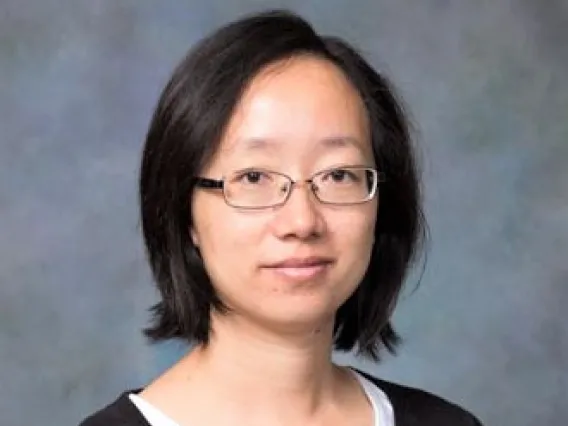
Shujuan Li

Shujuan Li

· Professor of Landscape Architecture and Urban PlanningVerified

University of Arizona · Urban Planning

Active 1982–2026

h-index25
Citations1.8k
Papers12077 last 5y
Funding
See your match with Shujuan Li — sign in to PhdFit.Sign in

About

Shujuan Li, PhD, is a Professor in the School of Landscape Architecture and Planning at the University of Arizona. Before joining the university, she worked in the Department of Landscape Architecture and Environmental Planning at Utah State University for eight years. She earned her Ph.D. in geography from Texas A&M University in 2009, and holds a master's degree in ecology from Peking University as well as a bachelor's degree in geography from Beijing Normal University in China. Her research interests include the integration of spatial analysis and modeling with GIS for urban and environmental studies, geodesign, landscape ecology, and land-use dynamics and planning. She has been involved in community initiatives and research projects, including supporting community scenario planning and water supply strategies in Blaine County, Idaho, and has received recognition for her work in landscape architecture.

Research topics

  • Computer Science
  • Chemistry
  • Computational chemistry
  • Biology
  • Process engineering
  • Biophysics
  • Organic chemistry
  • Biochemical engineering
  • Biochemistry
  • Cell biology
  • Engineering

Selected publications

  • Structural and evolutionary insights into the eukaryotic RNase MRP ribonucleoprotein complex

    Nature Communications · 2026-03-26 · 1 citations

    articleOpen access

    RNase MRP is a conserved eukaryotic ribonucleoprotein essential for precursor-rRNA processing and ribosome assembly. Despite previous studies of yeast RNase MRP, the composition of RNase MRP and how it adapts to process flexible, single-stranded rRNA substrates in most eukaryotes remain enigmatic. Here, we perform an integrative structural, evolutionary, and functional dissection of human RNase MRP. Using structure-based bioinformatics and cryo-EM structural analyses, we identify NEPRO (RMP64) and C18orf21 (RMP24) as the bona fide subunits unique to RNase MRP, which are indispensable for precursor-rRNA cleavage, ribosome assembly, protein synthesis, and chondrogenesis. The structure of human RNase MRP reveals a unique 'double-anchor' substrate-binding mechanism that underlies evolutionary adaptations conferring broad substrate specificity. Our work on RNase MRP provides a unified evolutionary and mechanistic framework for this essential ancient ribozyme.

  • Cryo-EM structure of the human Derlin-1/p97 complex reveals a hexameric channel in ERAD

    Communications Biology · 2025-10-17 · 2 citations

    articleOpen access

    The ER-associated degradation (ERAD) pathway retrotranslocates misfolded proteins from the ER lumen to the cytoplasm for proteasomal degradation. Derlin-1 and p97 are central to this process, forming a canonical 4:6 complex with tetrameric Derlin-1. Using cryo-electron microscopy, we identify a novel human Derlin-1/p97 complex with a 6:6 stoichiometry, where hexameric Derlin-1 assembles as three dimers. This hexameric channel forms a significantly larger trans-ER membrane tunnel, potentially accommodating bulkier substrates. Structural comparisons revealed conformational flexibility in Derlin-1, suggesting the "U"-shaped tetramer may act as an intermediate in hexamer formation. The formation of this hexameric channel is mediated by interactions with p97 and appears dependent on p97's ATPase activity, which provides the driving force for the transition between the tetrameric channel conformation to the intermediate "U"-shaped conformation. These findings highlight the dynamic nature of the Derlin-1/p97 complex and its implications for understanding ERAD retrotranslocation.

  • The structural basis for the human procollagen lysine hydroxylation and dual-glycosylation

    Nature Communications · 2025-03-11 · 9 citations

    articleOpen access

    The proper assembly and maturation of collagens necessitate the orchestrated hydroxylation and glycosylation of multiple lysyl residues in procollagen chains. Dysfunctions in this multistep modification process can lead to severe collagen-associated diseases. To elucidate the coordination of lysyl processing activities, we determine the cryo-EM structures of the enzyme complex formed by LH3/PLOD3 and GLT25D1/ColGalT1, designated as the KOGG complex. Our structural analysis reveals a tetrameric complex comprising dimeric LH3/PLOD3s and GLT25D1/ColGalT1s, assembled with interactions involving the N-terminal loop of GLT25D1/ColGalT1 bridging another GLT25D1/ColGalT1 and LH3/PLOD3. We further elucidate the spatial configuration of the hydroxylase, galactosyltransferase, and glucosyltransferase sites within the KOGG complex, along with the key residues involved in substrate binding at these enzymatic sites. Intriguingly, we identify a high-order oligomeric pattern characterized by the formation of a fiber-like KOGG polymer assembled through the repetitive incorporation of KOGG tetramers as the biological unit. This study reveals the structural basis of collagen processing by the KOGG complex, revealing how it catalyzes lysine hydroxylation and dual-glycosylation, essential for collagen folding and stability, with implications for collagen-related diseases.

  • Structural insight into bicarbonate-mediated carboxylation by human vitamin K-dependent carboxylase

    Nature Communications · 2025-11-25

    articleOpen access

    Vitamin K-dependent (VKD) carboxylation, mediated by γ-glutamyl carboxylase (GGCX), is essential for the maturation of VKD proteins involved in critical physiological processes such as blood clotting, vascular calcification and bone metabolism. Here, we present cryo-electron microscopic structures of human GGCX alone and in complex with VKD proteins, vitamin K, and inhibitor anisindione. GGCX specifically recognizes diverse VKD substrates through high-affinity propeptide binding, while substrates like osteocalcin utilize a secondary exosite to enhance interaction. GGCX employs a conserved dipeptide anchoring mechanism that ensures processive carboxylation of glutamate residues. GGCX undergoes allosteric conformational changes that enable coordinated binding of vitamin K and glutamate substrates, facilitating the catalytic process. Additionally, we reveal a bicarbonate-mediated CO₂ capture mechanism that is conserved across bacterial and eukaryotic species, suggesting that this strategy for CO₂ utilization is both ancient and universal. Our findings lay the foundation for developing targeted anticoagulant drugs and innovative enzymatic CO₂ fixation strategies. Vitamin K-dependent carboxylation is vital for human health. Here, authors present cryo-EM structures of the relevant γ-glutamyl carboxylase, uncovering substrate recognition, processive modification, and a bicarbonate-mediated CO₂ fixation mechanism.

  • Dual-head multi-photon polymerization 3D printing for parallel additive manufacturing organic/inorganic materials in optics

    Additive manufacturing · 2025-04-01 · 8 citations

    article
  • Advanced modification strategies for improving the thermal stability of Ni-rich layered cathodes towards next-generation lithium-ion batteries

    Journal of Power Sources · 2025-10-15 · 2 citations

    articleCorresponding
  • Advanced design strategies for enhancing the thermal stability of lithium-rich manganese-based cathodes towards high-energy lithium-ion batteries

    Journal of Alloys and Compounds · 2025-09-28 · 2 citations

    articleSenior authorCorresponding
  • Dual-Head Multi-Photon Polymerization 3d Printing for Parallel Additive Manufacturing Organic/Inorganic Materials in Optics

    SSRN Electronic Journal · 2025-01-01

    preprintOpen access
  • Numerical simulations of bubble formation in viscoelastic fluids within focusing microchannels using OpenFOAM

    Physics of Fluids · 2025-11-01 · 1 citations

    article

    The comprehension of bubble formation mechanisms in viscoelastic fluids within microchannels is crucial for the optimization of gas–liquid microreactions and microfluidic processes. In this study, a three-dimensional numerical investigation of bubble formation in viscoelastic fluids within a focusing microchannel was conducted using OpenFOAM. The volume of fluid method was employed to track the gas–liquid interface, while the Oldroyd-B model was utilized to describe the complex rheological behavior of the viscoelastic fluids. The effects of two-phase flow velocity ratio, relaxation time, and liquid viscosity on the evolution of the bubble neck width, bubble size, and channel pressure were observed. A model was proposed to characterize the evolution of the bubble neck width. Furthermore, an empirical correlation for predicting bubble size was proposed, with the relaxation time as a critical parameter based on dimensional analysis. The results revealed four flow patterns, including bubble flow, slug flow, tip-streaming, and annular flow. A flow pattern map was constructed based on two-phase velocities. Notably, the pressure drop within the main channel was significantly reduced by the viscoelastic property of the fluids, offering novel insights into the fluid dynamics of viscoelastic fluids at the microscale.

  • Enabling point of care optical diagnostics and treatment of oral lesions in resource-limited settings: preclinical development and evaluation of a low-cost theranostic intraoral device for image-guided photodynamic therapy

    Biophotonics discovery. · 2025-07-06

    articleOpen access

    SignificanceOral squamous cell carcinoma (OSCC) is exceedingly prevalent and deadly in South Asia, especially the Indian subcontinent, affecting 15 out of every 100,000 people and claiming over 70,000 lives annually. This problem is compounded by inadequate medical infrastructure for screening and cancer care, especially in rural areas.AimWe sought to build and evaluate a theranostic, low-cost, intraoral device to enable simultaneous multichannel optical imaging and photodynamic therapy (PDT) for the detection and treatment of early oral cancer.ApproachThe system’s performance was assessed using buccal mucosal tissue phantoms containing protoporphyrin IX (PpIX), as well as OSCC in vitro tumor models photosensitized with 5-aminolevulinic acid (ALA)-induced PpIX. A murine xenograft model consisting of athymic nude mice implanted with TR146 OSCC cells was used to evaluate the capability of the device to function as a PDT light source with integrated monitoring of PpIX photobleaching as a dosimetry reporter. Experiments were complemented by Monte Carlo modeling of light delivery.ResultsIn tissue phantoms the intraoral device reported a linear correlation up to 50 μM PpIX concentration and the extent of photobleaching increased with increasing light dose up to 100 J/cm2. PpIX fluorescence contrast was found to improve by using ratiometric analysis of PpIX (red) and autofluorescence (green) fluorescence signals. In mouse models that received PDT treatment via the intraoral device, tumor volume decreased significantly, with histological analysis showing necrosis extending to a depth of 3.0 to 3.5 mm after PDT and consistent with Monte Carlo modeling of light delivery.ConclusionA compact, handheld, and low-cost intraoral device with a dental camera form factor is able to carry out simultaneous multichannel white light and fluorescence imaging and image-guided PDT light delivery. The ability to quantify the extent of photobleaching as a dosimetry surrogate points to the potential for real-time treatment monitoring with the same hardware.

Frequent coauthors

  • Deqiang Yao

    Shanghai Jiao Tong University

    42 shared
  • Cao Mi

    Shanghai Ninth People's Hospital

    37 shared
  • Yafeng Shen

    36 shared
  • Ming Lei

    Shanghai Jiao Tong University

    36 shared
  • Yu Cao

    Shanghai Jiao Tong University

    32 shared
  • Jian Wu

    Shanghai Ninth People's Hospital

    32 shared
  • An Qin

    Shanghai Ninth People's Hospital

    28 shared
  • Rongguang Liang

    27 shared

Labs

  • School of Landscape Architecture and PlanningPI

Education

  • Doctor

    Tianjin University

    2012
  • Master

    Tianjin University

    2007
  • Bachelor

    Central South University

    2005

Awards & honors

  • AZASLA Awards Gala top honors (2026)
  • American Society of Landscape Architects award in research c…
  • Resume-aware match score
  • Save to shortlist
  • AI-drafted outreach

See your match with Shujuan Li

PhdFit ranks faculty by your research interests, methods, and publications — grounded in their actual work, not templates.

  • Free to start
  • No credit card
  • 30-second signup