
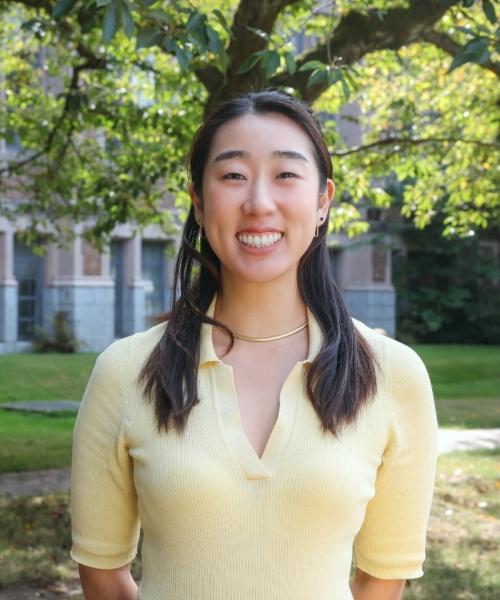
Sarah Jaewon Lee
· Assistant ProfessorVerifiedUniversity of Washington · Education
Active 1960–2026
About
Sarah Jaewon Lee is an assistant professor in the Learning Sciences and Human Development at the University of Washington College of Education. Her work focuses on co-designing learning environments within formal and informal educational spaces, particularly with multilingual, immigrant, and refugee communities. She emphasizes how children and youth can disrupt the status quo of their educational contexts to create more justice-oriented learning environments. Her research spans multiple disciplines including science, technology, and literacy, engaging a diverse range of community stakeholders such as children, youth, teachers, museums, librarians, and informal educators. Drawing from her personal experiences growing up in a Korean immigrant household, Sarah designs innovative, technology-enhanced learning experiences that center student identities and voices. She is committed to building sustainable partnerships within the greater Seattle community to promote educational equity. Her vision involves enhancing the agency of children from multilingual, marginalized backgrounds to contribute to knowledge construction and world building. Sarah holds a Ph.D. in Learning, Teaching, and Diversity from Vanderbilt University and a B.A. in Linguistics from the University of Pennsylvania. Her work aims to create inclusive, joyful spaces where every child can learn, play, and thrive, reimagining how schools and communities support immigrant and multilingual students.
Research topics
- Medicine
- Internal medicine
- Intensive care medicine
- Virology
- Emergency medicine
- Biology
- Genetics
- Immunology
- Surgery
- Anesthesia
- Gerontology
- Demography
- Physical therapy
- Pediatrics
- Oncology
- Physics
- Clinical psychology
- Pathology
- Statistical physics
- Psychology
- Evolutionary biology
- Psychiatry
- Computational biology
- Pharmacology
Selected publications
Steps Toward Developing an Algorithm to Facilitate Recognition of Translational Science
Journal of Clinical and Translational Science · 2026-05-15
articleOpen accessIn preparing for our Clinical and Translational Science Award (CTSA) UM1 application, we recognized the need to develop a shared understanding of the distinctions between translational science (TS) and translational research (TR).We describe our efforts to develop and evaluate the reliability of a concise instrument that investigators and reviewers could use to distinguish between TS and TR. Methods:Groups of faculty and staff individually reviewed published translational studies to determine whether the project involved TS, and separately, TR.One group (n = 10) first reviewed 14 publications with limited guidance; the same group and a second group (n = 9) then reviewed another set of 14 publications guided by a detailed algorithm.We used kappa statistics to measure agreement in the determinations of TS and TR for each publication. Results:The overall kappa coefficients in the three sets of TS determinations (two by the first group and one by the second group) were 0.61, 0.33, and 0.18, respectively.The overall kappa coefficients in the three sets of TR determinations were 0.26, 0.11, and 0.40, respectively.The median kappa coefficients for all 42 determinations were 0.39 for TS and 0.22 for TR, both indicating only fair agreement.We found no evidence that the algorithm helped to improve agreement rates. Conclusion:Our results show gaps in understanding the distinction between TS and TR among CTSA hub faculty and staff.We discuss some reasons for this gap and propose ways that could improve the recognition of TS and TR.
Blood Advances · 2025-11-05 · 2 citations
articleOpen accessSenior authorABSTRACT: There is an urgent need for validated tools to measure sclerotic cutaneous chronic graft-versus-host disease (scGVHD). We examined the interobserver reproducibility within a session and intraobserver repeatability between sessions of the Myoton device for quantifying skin sclerosis in 36 adults with scGVHD. The Myoton was used to measure oscillation frequency and relaxation time of soft tissues at 7 bilateral sites (14 anatomic sites) by 2 study personnel at 2 study sessions. Agreement was measured using mean pairwise absolute difference (MPD), and reliability was measured using intraclass correlation coefficient (ICC). For each of the 2 Myoton parameters, the overall interobserver MPD was <5% of the average overall values and the interobserver ICC was >0.90 between the 2 observers, indicating excellent agreement and reliability within a measurement session. The median time between sessions 1 and 2 was 47.5 days. The overall normalized intraobserver MPD was <7% of the average overall values for each of the 2 Myoton parameters, reflecting good agreement between sessions. The intraobserver ICC for frequency and relaxation time parameters were 0.85 and 0.84, respectively, indicating good reliability between sessions. The reproducibility and repeatability of a bonus site selected at each study visit were similar to the standard 14 anatomic sites. However, no individual site was nearly as reproducible or repeatable as the overall Myoton measurements averaged across the patient. Our findings emphasize the utility of the Myoton for assessing skin properties in scGVHD with patient-level measurements.
Blood · 2025-11-03
articleOpen accessAbstract Background: In BMT CTN 1703, post-transplant cyclophosphamide (PTCy)-based prophylaxis significantly improved GVHD-free, relapse-free survival (GRFS) compared to standard prophylaxis with tacrolimus and methotrexate (MTX), while overall survival (OS), disease-free survival (DFS), relapse, and treatment-related mortality (TRM) did not differ significantly. The trial enrolled adults undergoing reduced-intensity conditioning (RIC) hematopoietic cell transplantation (HCT) for hematologic malignancies with well-matched donors, excluding myeloablative conditioning (MAC) or in-vivo T-cell depletion with anti-thymocyte globulin (ATG). The current study evaluates myeloablative HCT outcomes following PTCy-based versus CNI/MTX-based GVHD prophylaxis, with or without ATG, using the Center for International Blood & Marrow Transplant Research (CIBMTR) database. Methods: The primary objective was to compare the 2-year GRFS between PTCy-based and CNI/MTX-based GVHD prophylaxis, with and without ATG. Secondary objectives included OS, DFS, TRM, relapse, acute GVHD (aGVHD II-IV and III-IV), and chronic GVHD requiring immunosuppression (cGVHD). Adult patients (18≤ age &lt;70 years) with hematologic malignancies (AML or ALL in CR1 or CR2, MDS) undergoing first HCT from an HLA-matched sibling (MSD) or unrelated donor (MUD) between 2014-2022, using a PBSC graft and MAC regimen were included (n=8272). Cox proportional hazards models were used to assess associations. Proportional hazards assumptions were tested using time-dependent covariates; violations were addressed by stratification. Stepwise backward selection was used to build outcome-specific models. Interactions were tested at p&lt;0.01, and no significant interactions were detected. All models were adjusted for center effects. A significance level of 0.01 was used to account for multiple testing. Results: The study included three cohorts: PTCy-based (n=1360, reference), CNI/MTX with ATG (n=1543), and CNI/MTX without ATG (n=5369). Median age at HCT 50.6 years for the study population, and similar in all three cohorts. Most patients were non-Hispanic white, with slight male predominance across all three groups (55%). AML was the predominant diagnosis in the three cohorts (54-59%). MUD was more common in the PTCy (68%) and CNI/MTX/ATG (95%) groups, while in the CNI/MTX cohort 47% had a MUD and 53% MSD. More grafts were cryopreserved in the PTCy cohort (45%) compared to 24% and 22% in the CNI/MTX/ATG and CNI/MTX cohorts, respectively. PTCy use increased since 2019 compared to CNI/MTX+/-ATG. At 2 years, GRFS was significantly higher in PTCy cohort (41.2%; 95% confidence interval [CI], 38.5-43.9), compared to CNI/MTX/ATG (25.8%; 95%CI, 23.5-28.1), and CNI/MTX cohorts (17.5%; 95%CI ,16.5-18.5), p&lt;0.001. In multivariable regression analysis (MVA), compared to PTCy-based, patients receiving CNI/MTX prophylaxis had lower GRFS [HR 1.74 (1.58-1.92), p&lt;0.0001], higher aGVHD II-IV [HR 1.62 (1.35-1.94), p&lt;0.0001] and III-IV [HR 1.97 (1.50-2.60), p&lt;0.0001], higher cGVHD requiring immunosuppression [HR 2.82 (2.25-3.53), p&lt;0.0001], higher TRM [HR 1.69 (1.40-2.05), p&lt;0.0001], higher relapse risk within the first 4 months [HR 1.38 (1.17-1.63), p=0.0001] but lower relapse risk after 4 months [HR 0.80 (0.70-0.91), p=0.0007] and lower OS [HR 1.20 (1.07-1.34), p=0.0016]. Compared to PTCy-based, patients with CNI/MTX/ATG prophylaxis had inferior GRFS [Hazard ratio (HR) 1.47 (1.27-1.70, p&lt;0.0001)], higher aGVHD II-IV [HR 1.51 (1.17-1.95), p=0.0015], cGVHD requiring immune suppression [HR 1.73 (1.28-2.33), p=0.0003] and higher relapse risk within the first 4 months [HR 1.50 (1.17-1.93), p=0.0016]. DFS did not differ between cohorts. The association of PTCy with higher GRFS was consistent in subgroup analyses restricted to MUD and MSD, as well as in sensitivity analyses limited to transplants performed between 2019 and 2022. Conclusions: In this large registry-based study of adult patients undergoing MAC allogeneic HLA-matched HCT, PTCy-based GVHD prophylaxis was associated with superior GRFS compared to CNI/MTX with and without ATG. This benefit resulted from a decrease in both grade III-IV aGVHD and cGVHD requiring immune suppression, along with lower TRM. While there was no difference in DFS, OS was higher in the patients receiving PTCy-based prophylaxis. These results support the use of PTCy-based prophylaxis in the myeloablative setting for adults with AML or ALL in remission, or with MDS.
Blood · 2025-11-03
articleOpen accessAbstract During the COVID-19 pandemic, cryopreservation (cryo) of unrelated donor peripheral blood stem cells (PBSC) for allogeneic hematopoietic cell transplantation (allo-HCT) was performed to ensure graft availability. A prior single-institution analysis of patients receiving cryo versus fresh matched unrelated donor (MUD) PBSC observed a lower incidence of chronic graft-versus-host disease (cGVHD) with cryo but no difference in survival or relapse. We sought to validate these findings using data from the CIBMTR to assess the impact of cryo on cGVHD, as well as other key clinical outcomes such as survival, relapse rates, acute GVHD (aGVHD), and engraftment. We analyzed 7,983 adults (age ≥18 years) undergoing first allo-HCT between 2019-2022 at US centers for AML, ALL or MDS with an HLA-matched (8/8) or mismatched (7/8) unrelated donor PBSC. Patients were excluded from the study if GVHD prophylaxis information was missing or if they received in vivo T cell depletion/CD34 selection. Cox proportional hazards models were used to compare outcomes after cryo versus fresh PBSC grafts. Risk factors considered: patient age, donor age, donor type, ATG/Campath, Karnofsky score, conditioning regimen, GVHD prophylaxis, HCT-CI, refined disease risk index, donor-recipient CMV match, donor-recipient sex match, and year of HCT. Interactions between cryo status and adjusted covariates were tested at the significance level of 0.01. 3,339 patients received fresh PBSCs while 4,644 received cryo. The cohorts were similar in most key patient and transplant characteristics except more use of post-transplantation cyclophosphamide (PTCy) with cryo (39.7%) than fresh (30.8%). Median CD34+ cell dose was similar (7.0x10⁶ cells/kg for fresh vs 6.8x10⁶ cells/kg for cryo). In univariate analysis, recipients of cryo PBSCs had lower cumulative incidence of overall cGVHD (39.1% vs 45.8%, p&lt;0.001) and moderate to severe cGVHD at 2 years (22.4% vs 28.6%, p&lt;0.001). Cryo was not associated with a difference in incidence of relapse (28.1% vs 29.1%, p=0.53) or disease-free survival at 2 years (DFS, 53.7% vs 55.8%, p=0.08), but was associated with lower overall survival at 2 years (OS, 61.6% vs 65.1%, p=0.002) and higher treatment related mortality (TRM, 18.2% vs 15.1%, p=0.002) compared to fresh PBSCs. Receipt of cryo PBSCs was also associated with higher incidence of grade 2-4 aGVHD (37.5% vs 31.7%, p&lt;0.001) and grade 3-4 aGVHD at 6 months (10.9% vs 9.6%, p=0.028). There were no major differences in the primary cause of death, with relapse, infection, and organ failure being most common in both cohorts. Multivariable modeling showed receipt of cryo PBSCs was associated with less overall cGVHD (HR 0.76, 95% CI 0.66-0.87, p=0.0001) and moderate to severe cGVHD (HR 0.79, 95% CI 0.70-0.89, p=0.0001) than fresh PBSC. However, cryo was associated with inferior OS (HR 1.17, 95% CI 1.08-1.27, p=0.0002), lower DFS (HR 1.17, 95% CI 1.07-1.28, p=0.004), and higher TRM (HR 1.25, 95% CI 1.10-1.41, p=0.0007) but no difference in incidence of relapse (HR 1.00, 95% CI 0.93-1.08, p=0.94). Recipients of cryo PBSCs had a higher risk of grade 2-4 acute GVHD (HR 1.29, 95% CI 1.15-1.46, p&lt;0.0001), and a trend toward higher grade 3-4 acute GVHD (HR 1.23, 95% CI 1.03-1.48, p=0.02). There was no significant difference in GVHD-free, relapse-free survival (GRFS, HR 0.98, 95% CI 0.92-1.04, p=0.47). Patients who received cryo PBSCs had slower time to neutrophil (HR 0.82, 95% CI 0.76-0.87, p&lt;0.0001) and platelet (HR 0.70, 95% CI 0.65-0.76, p&lt;0.0001) recovery compared to recipients of fresh PBSCs. Sensitivity analyses excluding data from 2019 or limiting the cohort to patients who received PTCy yielded qualitatively similar results, although some did not reach statistical significance due to smaller sample sizes. This large registry study confirms our prior finding of reduced cGVHD among patients receiving cryo PBSCs compared to fresh. This is counterbalanced by higher TRM, acute GVHD 2-4, slower engraftment, and worse survival and DFS at 2 years post-HCT. These findings suggest that cryopreservation has a clinically significant negative impact on graft quality in terms of engraftment, NRM and survival despite a reduction in cGVHD. Further study is needed to understand the biological effect of cryopreservation on T cell function leading to reduced cGVHD.
Elsevier eBooks · 2025-11-28
book-chapter1st authorCorrespondingSynOpen · 2025-11-01
articleOpen accessAbstract Utilizing scaffold hopping and bioisosteric replacement strategies, we explored new azetidinyl carboxamide inhibitors of the plant-specific enzyme acyl-ACP thioesterase (FAT). Amongst the investigated compounds we identified new structural motifs that showed promising target affinity coupled with good in vivo efficacy against commercially important weed species. We further studied the structure-activity relationship (SAR) of the novel azetidinyl pyrazole carboxamide scaffold which showed promise as a new type of FAT inhibiting herbicides. Accordingly, a focused synthetic approach towards azetidinyl carboxamides was explored.
Blood Advances · 2025-12-12 · 1 citations
articleOpen accessABSTRACT: Advances in graft-versus-host disease (GVHD) prevention and treatment have resulted in expanded donor options and improvement in treatment-related mortality (TRM). This analysis aimed to compare the incidence of acute and chronic GVHD (aGVHD and cGVHD, respectively) in pediatric patients by recipient age and to evaluate the impact of GVHD on overall survival (OS) and TRM. We included 14 099 patients aged ≤21 years who received their first allogeneic hematopoietic cell transplantation from 2002 to 2020, categorizing recipient age as 0 to 2 years (infants/toddlers), 3 to 12 years (school-aged), and 13 to 21 years (adolescent/young adult). There was no difference in grade 2 to 4 and 3 to 4 aGVHD by day 100 among age groups, except among patients with nonmalignant disease (NMD), among whom there was a small increase in incidence of severe aGVHD in older patients. Incidence of moderate/severe cGVHD by 1 year was higher with age. A similar impact of age was observed after adjusting for patient, donor, and transplant characteristics. Risk of severe aGVHD was higher in older children with NMD. Severe aGVHD and moderate/severe cGVHD were independently associated with inferior OS. In patients with malignant disease, both severe aGVHD and moderate/severe cGVHD were associated with increased risk of TRM. In conclusion, risk of moderate/severe cGVHD increases with recipient age, and risk of severe aGVHD is increased among older patients with nonmalignant conditions. Despite the low overall incidence of aGVHD and cGVHD in children, both are associated with significantly worse survival. These data highlight the need to consider GVHD outcomes at time of consultation and for improved prevention and treatment approaches.
2025-11-25
articleOpen access<p>Monoclonal antibodies used in the T-cell co-stimulatory and co-inhibitory molecules expression assays</p>
2025-11-25
articleOpen access<p>Representativeness of study participants</p>
2025-11-25
articleOpen access<p>Monoclonal antibodies used in the phosphoflow analyses of T-cell activation signaling pathways</p>
Recent grants
Adult Leukemia Research Center
NIH · $288.7M · 1997–2029
BMT CTN Core - Fred Hutchinson Cancer Center
NIH · $2.0M · 2002–2031
Improving Outcomes Assessment in Chronic Graft versus Host Disease
NIH · $8.3M · 2007–2027
NIH · $1.9M · 2009
NIH · $421k · 2002
Frequent coauthors
- 439 shared
Joseph H. Antin
Dana-Farber Cancer Institute
- 431 shared
Corey Cutler
Dana-Farber Cancer Institute
- 412 shared
Robert J. Soiffer
- 412 shared
Mary E.D. Flowers
- 401 shared
Paul J. Martin
University of Washington
- 293 shared
Edwin P. Alyea
Duke University
- 258 shared
Anu Varghese
- 256 shared
Paula Rogers
- Resume-aware match score
- Save to shortlist
- AI-drafted outreach
See your match with Sarah Jaewon Lee
PhdFit ranks faculty by your research interests, methods, and publications — grounded in their actual work, not templates.
- Free to start
- No credit card
- 30-second signup