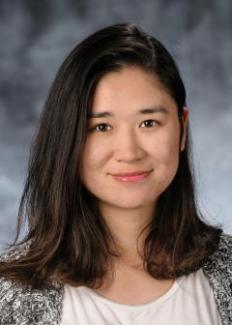
Rui Wang
University of California, Santa Barbara · Political Science
Active 1998–2024
Research topics
- Psychology
- Internal medicine
- Family medicine
- Gerontology
- Medicine
- Optoelectronics
- Chemistry
- Biomedical engineering
- Electrical engineering
- Nanotechnology
- Materials science
- Composite material
Selected publications
Parylene-based stretchable neural electrodes with serpentine interconnects
Journal of Physics Conference Series · 2024 · 2 citations
- Materials science
- Biomedical engineering
- Nanotechnology
Abstract Parylene C has rapidly gained popularity as a flexible and biocompatible material for next generation chronic probes. However, the mechanical strains attributed to the intracranial pressure and micromotion may compromise the longevity and biostability of implanted neural devices. To obtain conformable bioelectronic interfaces, it is essential to incorporate serpentine metal interconnects in flexible neural electrodes to achieve stretchability. In this paper, the influence of straight segments on the mechanical behavior of serpentine-shaped Parylene C probes has been investigated by finite element analysis. The etching performance of Parylene C with different masks are compared and the optimum masking material is the SiO 2 film grown at a low temperature by inductively coupled plasma chemical vapor deposition (ICP-CVD). In vitro electrochemical measurements verify excellent electrode function with a low impedance of 13±0.4 kΩ at 1 kHz, which is beneficial for high-resolution neural recording.
Patient Preference and Adherence · 2023 · 12 citations
- Medicine
- Internal medicine
- Gerontology
Background: Chemotherapy often negatively impacts the nutritional status of breast cancer patients, and healthy dietary behaviors are important for patient wellbeing. With the guidance of the “Knowledge, Attitude and Practice model” (KAP model), the objective of this survey was to determine the frequency with which patients engage in healthy dietary behaviors and to explore the association between healthy dietary behaviors and nutrition literacy and dietary attitudes. Methods: This study included a total of 284 breast cancer patients undergoing chemotherapy from three hospitals spanning three cities in China. Face-to-face interviews were conducted to collect demographic and clinical characteristics as well as the Dietary Nutritional Knowledge, Attitude and Practice Questionnaire (DNKAPQ) and the Nutrition Literacy Measurement Scale for Chinese Adult (NLMS-CA). Results: Participants exhibited medium to high scores for nutrition literacy, dietary attitude and dietary behavior. Nutrition literacy ( r = 0.505, p < 0.001) and dietary attitude ( r = 0.326, p < 0.001) scores were both positively correlated with the total dietary behavior score. The total nutrition literacy score was positively correlated with the total dietary behavior score ( r = 0.286, p < 0.001). In the univariate analysis, age, body mass index, living environment, education level, monthly family income, work status, menopausal status, number of comorbidities, relapse and endocrine therapy were significantly associated with dietary behavior ( p < 0.05). In the multiple linear regression analysis, patients’ dietary behavior was significantly associated with nutrition literacy ( β = 0.449, p < 0.001) and dietary attitude ( β = 0.198, p < 0.001). These two factors accounted for 28.6% of the variation in the patients’ dietary behavior scores. Conclusion: There is an important need for targeted dietary and nutritional interventions designed and implemented by health professionals to improve dietary behaviors. Intervention design and content should take the patients’ nutrition literacy and dietary attitudes into consideration. In particular, women who are older, overweight, unemployed, and postmenopausal and live in rural areas, exhibit fewer comorbidities, have a lower family income and education level, have not relapsed and are currently receiving endocrine therapy are in urgent need of diet-specific intervention. Keywords: attitude, behavior, breast cancer, chemotherapy, dietary, nutrition literacy
Frequent coauthors
- 13 shared
Pochi Yeh
National Yang Ming Chiao Tung University
- 10 shared
Jianhua Zhao
University of Chinese Academy of Sciences
- 8 shared
Xiaonong Shen
University of California, Santa Barbara
- 8 shared
Wood-Hi Cheng
National Chung Hsing University
- 8 shared
Chao‐Wei Lee
Linkou Chang Gung Memorial Hospital
- 6 shared
Huanchu Chen
Shandong University
- 5 shared
Xianmin Yi
University of California, Santa Barbara
- 4 shared
Shujun Zhang
University of Wollongong
Similar researchers at University of California, Santa Barbara
- Resume-aware match score
- Save to shortlist
- AI-drafted outreach
See your match with Rui Wang
PhdFit ranks faculty by your research interests, methods, and publications — grounded in their actual work, not templates.
- Free to start
- No credit card
- 30-second signup