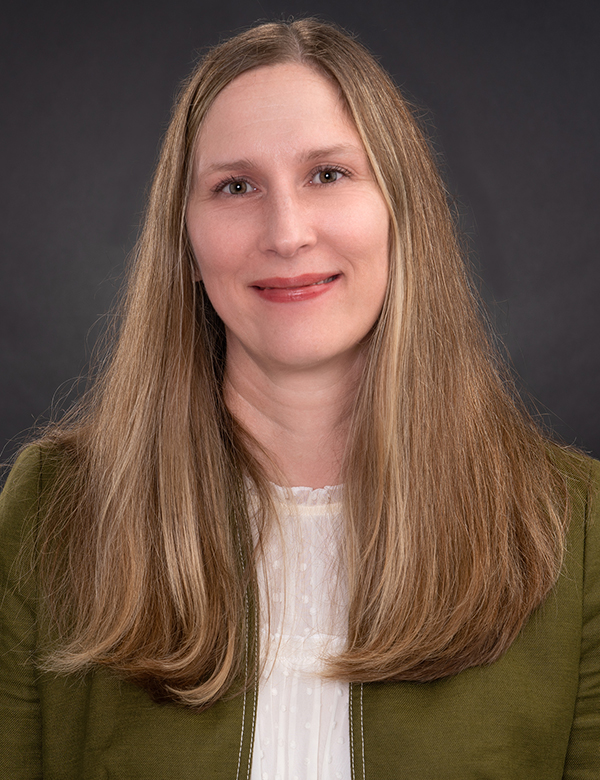
Rosaleen D. Bloom
· Assistant ProfessorVerifiedTexas A&M University · Nursing
Active 2019–2025
About
Rosaleen D. Bloom is associated with the Texas A&M College of Nursing, which serves as the Texas A&M Health Center of Excellence in Forensic Nursing. The center is dedicated to serving vulnerable populations by translating evidence-based research into practice, supporting sexual assault nurse examiners, and increasing access to trauma-informed care for victims and perpetrators of violence. The center, approved by the Texas A&M University System Board of Regents in 2019, is the first state- and federally funded center of its kind in Texas, focusing on advancing forensic nursing education, outreach, and research. The center's mission is to improve health outcomes for those affected by violence and disaster through interdisciplinary, trauma-informed strategies developed via research, academic programs, continuing education, and outreach. Its goals include educating nurses to provide high-quality care, collaborating with stakeholders for holistic responses to violence, advancing forensic nursing knowledge through research and innovation, and developing forensic nurse leaders with graduate education. The center also collaborates on the Texas Evidence Collection Protocol to standardize care across the state. Overall, Rosaleen D. Bloom's work is centered on enhancing forensic nursing practice, education, and research to better serve victims of violence and improve trauma-informed care.
Research topics
- Computer Science
- Psychology
- Political Science
- Medical education
- Psychiatry
- Social psychology
- World Wide Web
- Nursing
- Medicine
Selected publications
GoFundMe®: Crowdfunding Among Young Adult Patients With Cancer
Clinical journal of oncology nursing · 2025-09-17
articleOpen access1st authorCorrespondingBACKGROUND: Young adults (YAs) with cancer aged 18-39 years often experience financial stressors and search for alternative solutions, such as crowdfunding, to make ends meet. YAs experience financial stressors that may be more severe than those of middle-aged or older adult patients. OBJECTIVES: This article explores how YAs use GoFundMe® to financially support themselves during cancer treatment. METHODS: For this retrospective descriptive mixed-methods study, 50 campaigns met inclusion criteria. The research team extracted data manually and by using Python. Team members conducted descriptive analyses and qualitative coding. FINDINGS: GoFundMe recipients were mostly female, aged in their late 20s, and diagnosed with breast, brain, colorectal, or other cancer or leukemia. Campaign goals ranged from $2,488 to $1,243,900, and about half met or exceeded their goal (n = 23). Campaigns requested money to cover direct and indirect costs of treatment as well as daily expenses, experimental care, complementary and alternative medicine, scientifically unproven treatments, travel experiences for the patient/family to make memories, and end-of-life or funeral expenses.
Evaluation of the podcasting as learning (PAL) project
Teaching and learning in nursing · 2025-12-10
articleSenior authorJournal of the Advanced Practitioner in Oncology · 2025-05-01
articleOpen accessPurpose: This study aimed to investigate the correlation between geographical factors, including rurality, persistent poverty counties, racial residential segregation, and adherence to colorectal cancer (CRC) screening among low-income uninsured and underinsured individuals in Texas. Methods: Utilizing retrospective survey data collected by the A&M Texas Cancer Screening program from 2011 to 2022, linear mixed-effects models were employed. The models examined CRC screening adherence within the recommended time frame as the primary outcome, with geographical county-level characteristics (rurality, racial residential segregation, and persistent poverty) as the main predictors, controlling for other sociodemographic variables. Findings: The linear mixed-effects analysis revealed that individuals residing in counties characterized by high racial residential segregation (OR = 0.54, 95% CI = 0.36-0.79) or persistent poverty (OR = 0.65, 95% CI = 0.45-0.92) were less likely to self-report having undergone any type of CRC screening within the recommended time frame compared to those in counties with lower racial residential segregation and non-persistent poverty. Conversely, residents of rural counties were more likely to report being up to date with CRC screening compared to their urban counterparts (OR = 1.8, 95% CI = 1.27-2.55). Conclusions: The findings underscore the need for more targeted CRC screening promotion strategies tailored to low-income, uninsured populations residing in disadvantaged areas such as rural and persistent poverty counties, as well as those characterized by high racial residential segregation.
Cureus · 2025-11-21
articleOpen accessBackground This study aims to identify predictors of self-rated oral health (SROH) among community-dwelling adults with diabetes. Given that SROH has been associated with regular dental visits, oral health conditions, and emotional well-being, understanding its predictors may help identify individuals at higher risk for poor oral health outcomes and develop targeted interventions. Methodology This study conducted a secondary data analysis of two cross-sectional surveys among adults with diabetes. In addition to descriptive analysis, a logistic model of SROH was estimated with the following set of predictors: demographics (age, ethnicity, gender, marital status, income, health insurance, and dental insurance), health condition (number of chronic diseases and hemoglobin A1c level), and self-rated health (SRH). Results There were 136 participants in this study, with a mean age of 58.94 ± 13.36 years. Overall, 52 (38%) were white, 80 (58.8%) were female, 80 (58.8%) had a high school or higher degree, and 91 (67%) rated their oral health as good. In the logistic regression model of SROH, family income that meets needs (odds ratio (OR) = 0.34, 95% confidence interval (CI) = 0.13, 0.90) and the presence of dental insurance (OR = 0.35, 95% CI = 0.14, 0.89) were identified as protective factors against poor SROH. Furthermore, individuals who reported poor SRH were at greater odds of reporting poor SROH (OR = 2.61, 95% CI = 1.02, 6.64). Conclusions The findings from this study provide information on significant predictors of SROH in individuals with diabetes. This knowledge helps identify high-risk individuals and introduce tailored interventions to increase the quality of dental care and improve oral health and overall well-being.
Journal of the National Comprehensive Cancer Network · 2025-03-28
article1st authorCorresponding"HSR25-161: Potential Factors Impacting Adherence With National Comprehensive Cancer Network Radiation Therapy Guidelines for Early-Stage Breast Cancer." published on 28 Mar 2025 by National Comprehensive Cancer Network.
Women s Health Reports · 2024-04-01
articleOpen accessBackground: This study investigated the potential associations between neighborhood characteristics, rurality, ethnicity/race, and breast cancer screening outcomes in designated Health Professional Shortage Areas in Central Texas. Limited access to preventive medical care can impact screening rates and outcomes. Previous research on the effects of factors such as rurality, neighborhood socioeconomic status, and education level on cancer prevention behaviors has yielded inconsistent results. Materials and Methods: We analyzed data from a state-funded breast and cervical cancer screening programs for disadvantaged and medically underserved individuals. A mixed-effects logistic regression model was used to assess the impact of residency characteristics (rurality, educational attainment, unemployment, and poverty) on abnormal breast cancer screening outcomes, with individual level (age, ethnicity, race, and education) as control variables. Results: = 0.051). Conclusions: This study found a significant correlation between area-level educational characteristics and abnormal mammography outcomes. Future research should explore the contextual risk factors influencing breast cancer occurrence and develop targeted interventions for this population.
Disparities and Opportunities Across the Cancer Continuum in Rural America
2023-01-01
book-chapterOpen access1st authorCorrespondingRural cancer health disparities persist in the U.S. Barriers exist across the cancer continuum from primary prevention to cancer screening and cancer control. As cancer costs continue to grow, effective primary prevention should target interventions to reduce pollution and toxins, obesity, smoking and alcohol disparities. Continued implementation and development of secondary prevention screening strategies that improve access to providers and screening services are needed. Tertiary cancer control interventions need to be created and piloted for rural communities. Rather than a small subset of states, all fifty states need rural-specific cancer strategies in their comprehensive cancer control plans.
Nursing Forum · 2022-09-26 · 7 citations
articleOpen access1st authorCorrespondingAIMS AND OBJECTIVE: To identify the current research involving interprofessional collaboration between registered nurses (RNs) and speech language pathologists (SLPs) in healthcare and educational settings. BACKGROUND: As the complexity of healthcare increases, the need for active interprofessional collaboration between RNs and SLPs grows. A review of the literature revealed no systematic reviews currently exist about interprofessional collaborative studies between RNs and SLPs. DESIGN: Researchers conducted a scoping review using PRISMA guidelines. METHODS: Online databases were used to identify qualitative and quantitative research studies written in English and conducted between 2011 and 2020. Databases included Academic Search Ultimate, ASHA Wire, CINAHL, Cochrane Database of Systematic Reviews, ERIC, MEDLINE, PubMed, PsycINFO, and SEMANTIC SCHOLAR. The studies needed to focus on the interprofessional collaboration between RNs and SLPs or students in these professions. FINDINGS: Of the 128 sources, only six studies met scoping review criteria. The primary focus of three studies was an evaluation of interprofessional education activities between nursing, speech language pathology, and other health profession students. One study explored interprofessional education in clinical practice between RNs and SLPs. Two studies explored interprofessional collaboration in the clinical setting. CONCLUSION: More research is needed that investigates interprofessional collaboration and practice of RNs and SLPs in the healthcare setting. RELEVANCE TO CLINICAL PRACTICE: This review identified the need for RNs and SLPs to work effectively as interprofessional teams are important in improving patient outcomes.
Online social support for cancer caregivers: alignment between requests and offers on CaringBridge
Journal of Psychosocial Oncology · 2020 · 17 citations
1st authorCorresponding- Computer Science
- Psychology
- Computer Science
OBJECTIVES: Exploring CaringBridge, we describe types of social support caregivers requested, types of social support offered, and the alignment between the two. RESEARCH APPROACH: A retrospective, longitudinal, descriptive approach. SAMPLE: Twenty public CaringBridge sites. METHODOLOGICAL APPROACH: = 2,466) to identify types of support (emotional, esteem, informational, network, tangible, and no support requested/offered). Matches between requests and offers were examined. FINDINGS: = 2,353, 95%). When support was requested, 66.67% of requests received a matched offer within 24 hours. INTERPRETATION: Social media platforms may provide all types of support to caregivers.
International Journal of Nursing Education Scholarship · 2020 · 9 citations
Senior authorCorresponding- Political Science
- Medical education
- Medicine
Objective Journal clubs are accepted as an effective strategy for promoting evidence-based practice (EBP). However, journal clubs are underutilized in nursing education, and little is known about the impact of extracurricular, student-led journal clubs on EBP implementation among baccalaureate nursing students. The purpose of this study was to estimate the impact of journal club attendance on EBP implementation. Methods A web-based survey was conducted in April 2019 following eight sessions of monthly journal club among senior nursing students (n=78). Results Fifteen students attended four or more extracurricular, student-led journal club sessions (19.2%). EBP practice score was significantly higher among frequent journal club attendees. In multivariate analysis, journal club attendance was the significant predictor of EBP practice (β=0.34; p=0.006). Conclusion Graduating senior nursing students who attend extracurricular, student-led journal club sessions are more likely to carry out EBP practice. Participation in journal clubs may help increase their EBP competencies.
Frequent coauthors
- 3 shared
Susan L. Beck
University of Utah
- 3 shared
Wen‐Ying Sylvia Chou
National Cancer Institute
- 3 shared
Lee Ellington
University of Utah
- 3 shared
Jane N. Bolin
Texas A&M University
- 3 shared
Maija Reblin
- 3 shared
Arica Brandford
Southern New Hampshire University
- 2 shared
Andrew Wilson
- 2 shared
Cecilia T. Perez
Texas State University
Education
- 2017
PhD, College of Nursing
University of Utah
- 2007
MS Adult Health Clinical Nurse Specialist, College of Nursing
University of Minnesota
- 2001
BSN, College of Nursing
Marquette University
Awards & honors
- College Achievement Award - Excellence in Teaching, College…
- Peer Review Board for the Clinical Journal of Oncology Nursi…
- Resume-aware match score
- Save to shortlist
- AI-drafted outreach
See your match with Rosaleen D. Bloom
PhdFit ranks faculty by your research interests, methods, and publications — grounded in their actual work, not templates.
- Free to start
- No credit card
- 30-second signup