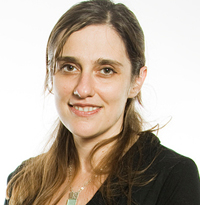
Regina Barzilay
· Professor of Computer Science and LinguisticsMassachusetts Institute of Technology · Electrical Engineering and Computer Science
Active 1984–2026
About
Regina Barzilay is a Distinguished Professor for AI and Health at MIT CSAIL, specializing in artificial intelligence and decision-making with a focus on healthcare and life sciences. Her research areas include artificial intelligence and machine learning, natural language and speech processing, and AI applications in healthcare. She leverages computational, theoretical, and experimental tools to develop groundbreaking sensors, energy transducers, and physical substrates for computation, addressing shared challenges facing humanity. Her work combines intellectual traditions from computer science and electrical engineering to develop techniques for systems that interact with the external world through perception, communication, and action, while also learning, making decisions, and adapting to changing environments. Her contributions are recognized within the MIT community and the broader field of electrical engineering and computer science.
Research topics
- Computer Science
- Artificial Intelligence
- Chemistry
- Materials science
- Nanotechnology
- Microbiology
- Biochemistry
- Biology
- Cognitive science
- Computational biology
- Philosophy
- Organic chemistry
- Psychology
- Bioinformatics
- Data science
Selected publications
Protein FID: improved evaluation of protein structure generative models
Bioinformatics · 2026-04-01
articleOpen accessSenior authorMOTIVATION: Protein structure generative models have seen a recent surge of interest, but meaningfully evaluating them computationally is an active area of research. While current metrics have driven useful progress, they do not capture how well models sample the design space represented by the training data. We argue for a protein Frechet Inception Distance (FID) metric to supplement current evaluations with a measure of distributional similarity in a semantically meaningful latent space. RESULTS: Our FID behaves desirably under protein structure perturbations and correctly recapitulates similarities between protein samples: it correlates with optimal transport distances and recovers FoldSeek clusters and the CATH hierarchy. Evaluating current protein structure generative models with FID shows that they fall short of modeling the distribution of PDB proteins. AVAILABILITY: Code is available at: https://github.com/ffaltings/protfid.
medRxiv · 2026-05-06
articleOpen accessSenior authorAbstract Understanding the molecular mechanisms that drive treatment response is central to personalized cancer care, but assays such as spatial transcriptomics are not yet scalable in routine clinical practice. A critical question, then, is whether this deeper molecular insight can be extracted directly from routine histology. Here, we introduce SPARC, a framework that infers spatially resolved activity maps for 40 gene expression programs directly from H&E slides. Integrating predicted program maps with morphological features improves survival prediction in 17 of 18 cancer types across 8,383 patients and matches a multi-omic method requiring paired RNA sequencing. SPARC also stratifies bevacizumab response in ovarian cancer (odds ratio = 8.08) and trastuzumab response in breast cancer (odds ratio = 3.44), while H&E image-only baselines yield non-significant separation between responders and non-responders. Unsupervised anal-ysis of predicted maps reveals canonical tumor microenvironment compartments and spatial interaction patterns directly from tissue morphology, linking predictive perfor-mance of clinical outcomes to underlying biological mechanisms.
The Lancet Digital Health · 2026-03-01
articleOpen accessSenior authorClinical decision support (CDS) software plays an increasingly central role in health-care delivery, yet the ambiguous interpretations of regulations result in inconsistent application in clinical practice. In this Viewpoint, we trace the evolution of CDS regulation in the USA and discuss how the evolution resulted in ambiguity for health systems. On the one hand, health systems are aware that some CDS software they use fall within regulatory oversight. On the other hand, the current regulatory ambiguity and low-intensity enforcement maintain existing practice. This situation raises questions around regulatory consistency and patient safety, particularly for high-risk CDS software that shapes standard-of-care practices. In response, we propose three key directions centred on radical transparency: public disclosure of CDS software, structured dialogue between industry and the US Food and Drug Administration (FDA), and updates to existing FDA guidance. These steps aim to foster a pragmatic, risk-based approach to CDS software oversight, with the approach aligning regulation with clinical practice.
ProxelGen: Generating Proteins as 3D Densities.
PubMed · 2025-06-24
preprintOpen accessWe develop ProxelGen, a protein structure generative model that operates on 3D densities as opposed to the prevailing 3D point cloud representations. Representing proteins as voxelized densities, or proxels, enables new tasks and conditioning capabilities. We generate proteins encoded as proxels via a 3D CNN-based VAE in conjunction with a diffusion model operating on its latent space. Compared to state-of-the-art models, ProxelGen's samples achieve higher novelty, better FID scores, and the same level of designability as the training set. ProxelGen's advantages are demonstrated in a standard motif scaffolding benchmark, and we show how 3D density-based generation allows for more flexible shape conditioning.
BoltzGen: Toward Universal Binder Design
bioRxiv (Cold Spring Harbor Laboratory) · 2025-11-24 · 35 citations
preprintOpen access, an all-atom generative model for designing proteins and peptides across all modalities to bind a wide range of biomolecular targets. BoltzGen builds strong structural reasoning capabilities about target-binder interactions into its generative design process. This is achieved by unifying design and structure prediction, resulting in a single model that also reaches state-of-the-art folding performance. BoltzGen's generation process can be controlled with a flexible design specification language over covalent bonds, structure constraints, binding sites, and more. We experimentally validate these capabilities in a total of eight diverse wetlab design campaigns with functional and affinity readouts across 26 targets. The experiments span binder modalities from nanobodies to disulfide-bonded peptides and include targets ranging from disordered proteins to small molecules. For instance, we test 15 nanobody and protein binder designs against each of nine novel targets with low similarity to any protein with a known bound structure. For both binder modalities, this yields nanomolar binders for 66% of targets. We release model weights, data, and both inference and training code at: https://github.com/HannesStark/boltzgen.
Hierarchical protein backbone generation with latent and structure diffusion
ArXiv.org · 2025-04-12
preprintOpen accessWe propose a hierarchical protein backbone generative model that separates coarse and fine-grained details. Our approach called LSD consists of two stages: sampling latents which are decoded into a contact map then sampling atomic coordinates conditioned on the contact map. LSD allows new ways to control protein generation towards desirable properties while scaling to large datasets. In particular, the AlphaFold DataBase (AFDB) is appealing due as its diverse structure topologies but suffers from poor designability. We train LSD on AFDB and show latent diffusion guidance towards AlphaFold2 Predicted Alignment Error and long range contacts can explicitly balance designability, diversity, and noveltys in the generated samples. Our results are competitive with structure diffusion models and outperforms prior latent diffusion models.
Boltz-2: Towards Accurate and Efficient Binding Affinity Prediction
bioRxiv (Cold Spring Harbor Laboratory) · 2025-06-18 · 380 citations
preprintOpen accessSenior authorAccurately modeling biomolecular interactions is a central challenge in modern biology. While recent advances, such as AlphaFold3 and Boltz-1, have substantially improved our ability to predict biomolecular complex structures, these models still fall short in predicting binding affinity, a critical property underlying molecular function and therapeutic efficacy. Here, we present Boltz-2, a new structural biology foundation model that exhibits strong performance for both structure and affinity prediction. Boltz-2 introduces controllability features including experimental method conditioning, distance constraints, and multi-chain template integration for structure prediction, and is, to our knowledge, the first AI model to approach the performance of free-energy perturbation (FEP) methods in estimating small molecule-protein binding affinity. Crucially, it achieves strong correlation with experimental readouts on many benchmarks, while being at least 1000× more computationally efficient than FEP. By coupling Boltz-2 with a generative model for small molecules, we demonstrate an effective workflow to find diverse, synthesizable, high-affinity binders, as estimated by absolute FEP simulations on the TYK2 target. To foster broad adoption and further innovation at the intersection of machine learning and biology, we are releasing Boltz-2 weights, inference, and training code under a permissive open license, providing a robust and extensible foundation for both academic and industrial research.
Blood · 2025-11-03
articleAbstract Background The expansion of hematopoietic stem and progenitor cells (HSPCs) in the bone marrow is universally associated with adverse outcomes and disease progression in all chronic myeloid neoplasms, to include chronic myelomonocytic leukemia (CMML). However, HSPCs are a heterogeneous cellular compartment and the impact of its composition on clinical outcomes remains poorly defined. Single cell RNA-sequencing (scRNA-seq) represents an optimal strategy to annotate cellular composition but no large clinically annotated scRNA-seq datasets are currently available. To address this, we have embarked to generate a clinically annotated 500 patient CMML scRNA-seq atlas from CD34+ enriched BMNCs to establish among the largest clinically and genetically annotated single cell references for any chronic myeloid malignancy. Here we report the interim analysis of 113 clinically annotated cases that demonstrates massive reshaping of HSPC composition that is independently a predictor of overall survival. Methods Single-cell RNA expression profiling was performed on 113 CD34-enriched CMML BMNC samples using 10x Genomics GEM-X Universal 3' Gene Expression v4 (4-plex) chemistry. Libraries were sequenced on NovaSeq S4 flow cells in two runs, and data were processed using Cell Ranger to generate gene expression matrices. A total of 502,659 single cells from 113 samples were processed using Seurat. The upper threshold for gene count was defined as the mean number of detected genes plus two standard deviations data normalization was performed using the log-normalization method. Batch correction and integration were conducted with Harmony to mitigate technical variation across pools. Descriptive statistics were used to tabulate clinical and genetic parameters. KM curves, log-rank test, and cox regression were used to calculate survival, test for statistical differences, and perform multivariate analysis, respectively. Results To derive high resolution cell annotations, we employed the SingleR algorithm using a large hematopoietic reference of over 300,000 single cells (Zhang, X. Nature Immunology, 2024). Using this approach a diverse set of cell types were identified that included HSCs, 23 myeloid progenitors, 18 erythroid progenitors, and 18 lymphoid progenitors. This diverse cellular repertoire displayed massive reshaping relative to the normal CD34 enriched reference including a >53x expansion of multilineage GMPs and a >100x depletion of B-cell progenitors consistent with the known myeloid skewing seen in this disease. To understand whether expansion of specific progenitors was associated with outcomes we iteratively evaluated key progenitor populations and observed that expansions of HSC (HR 0.468 p<0.005) and MEP (HR 0.485, p<0.005) were associated with improved survival while GMP (HR 1.729, p=0.029) expansions were associated with inferior survival when using a cut point derived with a maximally selected ranks statistics approach. To achieve a more comprehensive metric of HSPC composition we explored GMP ratios to include GMP/HSC ratios and GMP/MEP ratios and observed that both were associated with inferior survival in univariate and multivariate when considering clinical and genetic features such as the CPSS-molecular prognostic score and FAB classification. When considering both GMP/HSC and GMP/MEP ratios in a multivariate model only GMP/MEP ratios and CPSS molecular remained independently prognostic. As an orthogonal approach, pseudotime projections were carried out using a reference map from Setty et al., 2019 to calculate differentiation potential and branch probabilities. This approach enabled both cell identity assignment and placement of cells along the hematopoietic differentiation trajectory. Samples were classified as monocyte-biased, MEP-biased, or normal-like, as previously described (Ferrall-Fairbanks et al. 2022) and demonstrated that increased GMP ratios are associated with a monocytic biased trajectory and that this trajectory is also associated with overall survival. Conclusion This study represents an interim analysis of among the largest scRNA-seq cohorts generated in chronic myeloid malignancies. This enabled us, for the first time, to demonstrate that HSPC composition is independently prognostic even when considering modern CMML prognostic models. As this cohort continues to increase, validation of these findings and examining the impact of therapy on HPSC composition in serial samples will be prioritized.
Nature Machine Intelligence · 2025-01-28 · 26 citations
articleOpen accessSenior authorAbstract Accurate in silico determination of CD8 + T cell epitopes would greatly enhance T cell-based vaccine development, but current prediction models are not reliably successful. Here, motivated by recent successes applying machine learning to complex biology, we curated a dataset of 651,237 unique human leukocyte antigen class I (HLA-I) ligands and developed MUNIS, a deep learning model that identifies peptides presented by HLA-I alleles. MUNIS shows improved performance compared with existing models in predicting peptide presentation and CD8 + T cell epitope immunodominance hierarchies. Moreover, application of MUNIS to proteins from Epstein–Barr virus led to successful identification of both established and novel HLA-I epitopes which were experimentally validated by in vitro HLA-I-peptide stability and T cell immunogenicity assays. MUNIS performs comparably to an experimental stability assay in terms of immunogenicity prediction, suggesting that deep learning can reduce experimental burden and accelerate identification of CD8 + T cell epitopes for rapid T cell vaccine development.
Atom level enzyme active site scaffolding using RFdiffusion2
bioRxiv (Cold Spring Harbor Laboratory) · 2025-04-10 · 37 citations
preprintOpen accessAbstract De novo enzyme design starts from ideal active site descriptions consisting of constellations of catalytic residue functional groups around reaction transition state(s), and seeks to generate protein structures that can accurately hold the site in place. Highly active enzymes have been designed starting from such descriptions using the generative AI method RFdiffusion [1–3], but there are two current methodological limitations. First, the geometry of the active site can only be specified at the residue level, so for each catalytic residue functional group placed around the reaction transition state, the possible locations of the residue backbone must be enumerated by building side chain rotamers back from the functional group. Second, the location of the catalytic residues along the sequence must be specified in advance, which considerably limits the space of solutions which can be sampled. Here we describe a new deep generative method, Rosetta Fold diffusion 2 (RFdiffusion2), that solves both problems, enabling enzymes to be designed from sequence agnostic descriptions of functional group locations without inverse rotamer generation. We first evaluate RFdiffusion2 on an in silico enzyme design benchmark of 41 diverse active sites and find that it is able to successfully build proteins scaffolding all 41 sites, compared to 16/41 with prior state-of-the-art deep learning methods. Next, we design enzymes around three diverse catalytic sites and characterize the designs experimentally; in each case we identify active catalysts in testing less than 96 sequences. RFdiffusion2 demonstrates the potential of atomic resolution generative models for the design of de novo enzymes directly from their reaction mechanisms.
Recent grants
NSF · $400k · 2005–2012
Automatic Processing of Spoken and Written Lecture Material
NSF · $825k · 2004–2008
SGER: Reconstructing the Tower of Babel: Cross-lingual Language Learning
NSF · $56k · 2008–2009
Frequent coauthors
- 174 shared
Tommi Jaakkola
- 67 shared
Adam Yala
Maternity and Children's Hospital
- 57 shared
Tal Schuster
- 55 shared
Constance D. Lehman
Massachusetts General Hospital
- 54 shared
Wengong Jin
- 42 shared
Karthik Narasimhan
- 38 shared
Connor W. Coley
Massachusetts Institute of Technology
- 25 shared
Kyle Swanson
Purdue University West Lafayette
Education
- 1993
Ph.D., Computer Science
Massachusetts Institute of Technology
- 1989
M.S., Computer Science
Massachusetts Institute of Technology
- 1985
B.S., Computer Science
Technion - Israel Institute of Technology
Awards & honors
- 2025 IEEE honors
- Resume-aware match score
- Save to shortlist
- AI-drafted outreach
See your match with Regina Barzilay
PhdFit ranks faculty by your research interests, methods, and publications — grounded in their actual work, not templates.
- Free to start
- No credit card
- 30-second signup