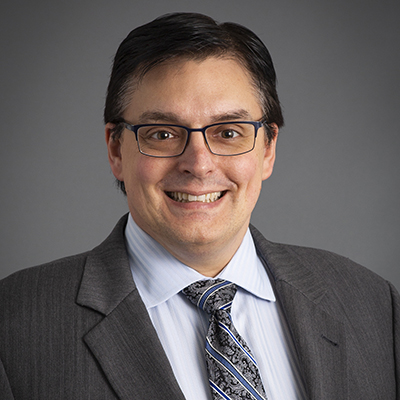
Paul Tessmann
· Assistant ProfessorUniversity of Wisconsin-Madison · Surgery
Active 2002–2025
About
Paul B. Tessmann, MD, PharmD, is an Assistant Professor in the Division of Cardiothoracic Surgery at the University of Wisconsin School of Medicine and Public Health. His educational background includes a PharmD from North Dakota State University and an MD from the University of North Dakota. He completed his internship and residency in General Surgery at the University of North Dakota and the University of Iowa, respectively. His training also encompasses fellowships in Critical Care and Extracorporeal Life Support at the University of Iowa, as well as Thoracic Transplantation and Mechanical Circulatory Support at the University of Florida. Dr. Tessmann's research contributions focus on advanced cardiac and thoracic surgical techniques, including the use of mechanical circulatory support devices such as ventricular assist devices (VADs) and innovations in transplantation. His recent publications include studies on the use of Impella devices as bridges and support following heart/kidney transplants, assessment of stress in LVAD recipients, and complications related to mechanical pumps. He has also contributed to research on thoracoscopic sympathectomy procedures and the development of fully magnetically levitated left ventricular assist devices. His work emphasizes improving outcomes in cardiac transplantation and mechanical circulatory support, reflecting a commitment to advancing surgical techniques and patient care in cardiothoracic surgery.
Research topics
- Surgery
- Medicine
- Cardiology
- Internal medicine
- Anesthesia
Selected publications
The Journal of Heart and Lung Transplantation · 2025-04-01
articleThe Journal of Heart and Lung Transplantation · 2025-04-01
articleAssessing stress in LVAD recipients: Development of the LVAD Stress Questionnaire
The International Journal of Artificial Organs · 2025-05-30 · 1 citations
articleOpen accessBACKGROUND: Patients receiving left ventricular assist device (LVAD) implantation can experience significant psychological stress that negatively impacts quality of life and treatment outcomes. Assessment of LVAD stress is critical for providing targeted interventions and advancing the relevant literature. The goal of this study was to establish a new measure of LVAD-specific patient stress, the LVAD Stress Questionnaire (LSQ). METHODS: The LSQ is an 18-item measure developed by researchers with extensive clinical experience providing psychological assessment and care for LVAD candidates and recipients. In this study, the LSQ was evaluated with a sample of 73 participants post-LVAD implant. RESULTS: Results of factor analysis supported the use of an LSQ full-scale score, also yielding five subscales of distinct areas of stress. Cronbach's alpha indicated that the full scale and subscales had reasonable to good internal consistency. The LSQ full scale score and four of the subscale scores were positively associated with depression and anxiety. Younger age, female gender, and being unpartnered were associated with higher LVAD stress based on one or more subscale scores. CONCLUSIONS: The LSQ is a useful tool that treatment teams can utilize to ascertain whether and in which area an LVAD causes stress, thereby informing interventions to maximize patient outcomes.
The Journal of Heart and Lung Transplantation · 2025-04-01
articleOpen accessDonor-Recipient Cardiac Size Matching in Donated After Circulatory Death Heart Transplantation
The Journal of Heart and Lung Transplantation · 2025-04-01
articleOpen accessThe Journal of Heart and Lung Transplantation · 2025-04-01
articleOpen accessPrimary Graft Dysfunction in Heart Transplantation - A UNOS Registry Analysis
The Journal of Heart and Lung Transplantation · 2025-04-01 · 1 citations
articleOpen accessThe Journal of Heart and Lung Transplantation · 2025-04-01
articleImpella 5.5 as Bridge and Mechanical Support Following Simultaneous Heart/Kidney Transplant
ASAIO Journal · 2025-11-11
articleIn this case of a patient bridged to simultaneous heart-kidney transplant (SHKT) with an Impella 5.5, the device was preserved following heart transplant (HT) to provide mechanical support and facilitate kidney transplantation in the same operative encounter with the goal of reducing delayed kidney graft function. Our patient is a 60 year old man initially listed with status 5 for a combined heart/kidney transplant. Due to worsening hemodynamics and rising creatinine, a right axillary Impella 5.5 was inserted. The patient underwent a bicaval SHKT. During the aortic anastomosis, the Impella was repositioned across the aortic valve. The kidney was transplanted in the same encounter. The patient left the operating room (OR) on vasopressors, inotropes, and Impella support. There was immediate production of urine without needing renal replacement (RRT). The Impella was removed on postoperative day 4, and inotropes were discontinued by day 7. He produced more than 2.5 L of urine daily, with creatinine peaking at 2.39 mg/dl and ending at 0.9 mg/dl. He was discharged on postoperative day 15 and was seen as an outpatient with excellent graft function. Leaving the Impella for temporary support allowed for a kidney transplant in the same operative encounter, early mobilization, reduction of vasoactive agents, and may have reduced the risk of delayed graft function and need for RRT. 1) Scientific Image and Illustration Software. Central Image Heart Animation. BioRender. Accessed February 21, 2025. https://www.biorender.com/ . 2) Abiomed J&J MedTech. Central Image Impella 5.5 Animation. Accessed February 21, 2025. https://www.abiomed.com/en-us/patients-and-caregivers/about-impella .
The Journal of Heart and Lung Transplantation · 2025-04-01
article
Frequent coauthors
- 4 shared
M. Yuzefpolskaya
NewYork–Presbyterian Hospital
- 4 shared
Yoshifumi Naka
Columbia University Irving Medical Center
- 3 shared
Don Chomsky
Saint Thomas Health
- 3 shared
Ashok Babu
Saint Thomas West Hospital
- 2 shared
Donna Dennis
University of Kentucky
- 2 shared
Michael E. Sekela
University of Kentucky
- 2 shared
Mandeep R. Mehra
Brigham and Women's Hospital
- 2 shared
Daniel I. Sessler
Cleveland Clinic
- Resume-aware match score
- Save to shortlist
- AI-drafted outreach
See your match with Paul Tessmann
PhdFit ranks faculty by your research interests, methods, and publications — grounded in their actual work, not templates.
- Free to start
- No credit card
- 30-second signup