
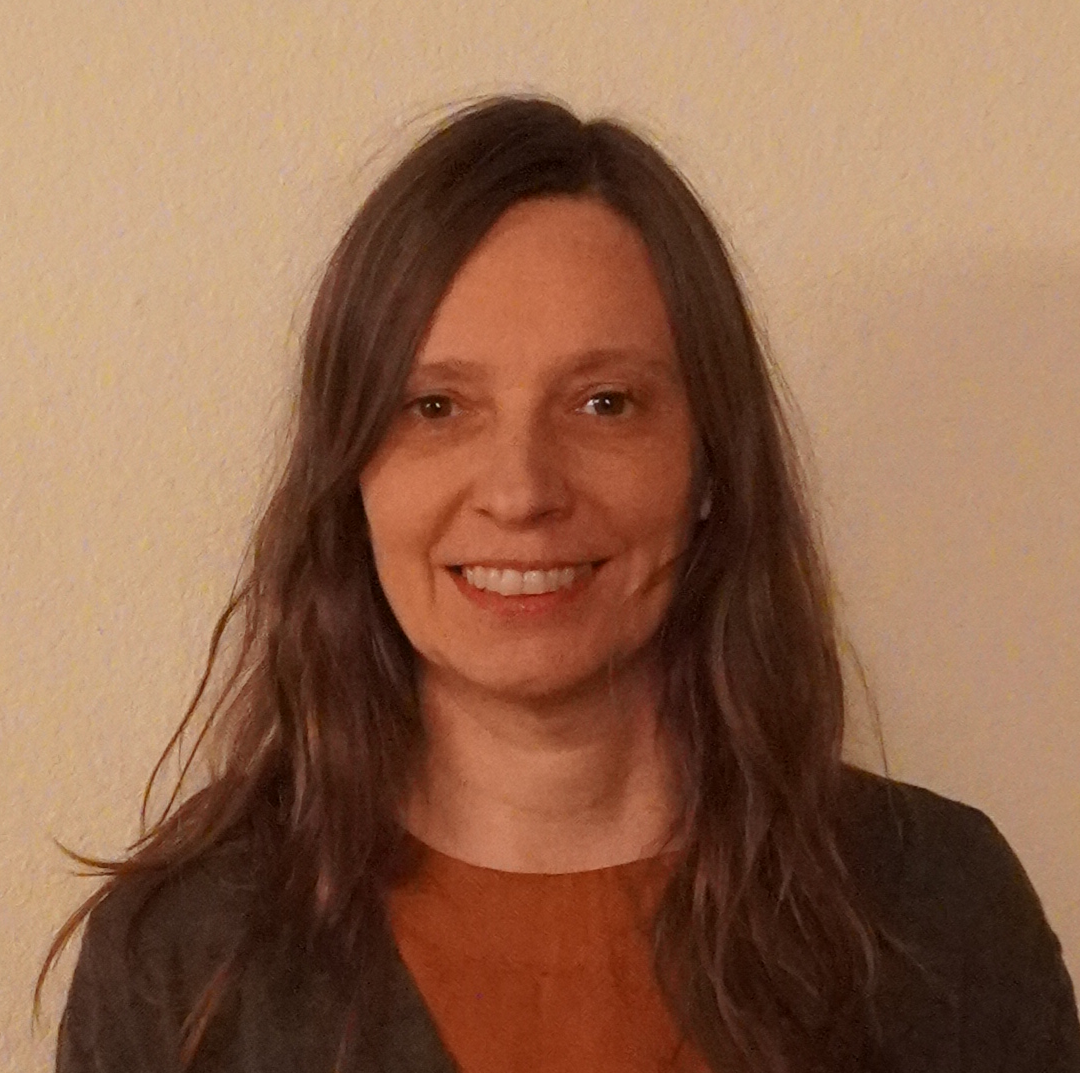
Morana Alac
· ProfessorUniversity of California, San Diego · Communication
Active 2002–2022
Academic metrics are sourced from OpenAlex and public funding records; values may differ from Google Scholar.
About
Morana Alač is a Professor in Communication and Science Studies at UC San Diego. She conducts ethnographic research of scientific laboratories and other settings of technology production and use, focusing on multimodal and multisensory aspects of ordinary interactional practice. Her areas of interest include ethnomethodology, interaction with technology, gesture, multimodality, and the senses. She holds a Ph.D. in Semiotics from the University of Bologna (2002) and a Ph.D. in Cognitive Science from UC San Diego (2006). Her work explores how social interactions are mediated through sensory and technological engagement, with a particular emphasis on the bodily and environmental continuities in laboratory settings, the sociality of robots and digital interactions, and the semiotic processes involved in scientific and everyday practices.
Research topics
- Computer Science
- Sociology
- Psychology
- Philosophy
- Cognitive science
- Aesthetics
- Epistemology
- Neuroscience
- Social Science
- Communication
Selected publications
Social Studies of Science · 2011-10-05 · 103 citations
article1st authorCorrespondingSocial roboticists design their robots to function as social agents in interaction with humans and other robots. Although we do not deny that the robot's design features are crucial for attaining this aim, we point to the relevance of spatial organization and coordination between the robot and the humans who interact with it. We recover these interactions through an observational study of a social robotics laboratory and examine them by applying a multimodal interactional analysis to two moments…
Social robots: Things or agents?
AI & Society · 2015-11-07 · 95 citations
article1st authorCorrespondingThe MIT Press eBooks · 2011-04-22 · 61 citations
book1st authorCorrespondingAn analysis of how fMRI researchers actively involve their bodies—with hand movements in particular—in laboratory practice. The results of fMRI brain scanning require extensive analysis in the laboratory. In Handling Digital Brains, Morana Alač shows that fMRI researchers do not sit passively staring at computer screens but actively involve their bodies in laboratory practice. Discussing fMRI visuals with colleagues, scientists animate the scans with gestures, and talk as they work with computer…
Ethnomethodology, video analysis, and STS
ArODES (HES-SO (https://www.hes-so.ch/)) · 2017-01-01 · 12 citations
articleOpen accessDigital Scientific Visuals as Fields for Interaction
The MIT Press eBooks · 2014-01-24 · 12 citations
book-chapter1st authorCorrespondingThis chapter analyzes the digital materiality of scientific visuals by examining how brain images displayed on screens are manipulated and coordinated with talk and embodied gesture in neuroscience research. Drawing upon detailed fieldwork and video analysis in an fMRI laboratory, the chapter shows how brain images function as diagrammatic signs that laboratory researchers deploy in situated, multimodal interactions. By recasting brain images as integral parts of the semiotic and interactional p…
Recent grants
A Laboratory Study of the Problematic Relations between Olfactory Experiences and Language
NSF · $206k · 2016–2020
Frequent coauthors
- 5 shared
Javier R. Movellan
University of California, San Diego
- 3 shared
Fumihide Tanaka
University of Tsukuba
- 3 shared
Ayşe Pınar Saygın
Hacettepe University
- 2 shared
Karen Emmorey
San Diego State University
- 2 shared
Edwin Hutchins
University of California, San Diego
- 2 shared
Lisa Cartwright
University of California, San Diego
- 2 shared
Stephen McCullough
San Diego State University
- 2 shared
Mohsen Malmir
Awards & honors
- 2013 Book Award, Ethnomethodology and Conversation Analysis…
Similar researchers at University of California, San Diego
- Resume-aware match score
- Save to shortlist
- AI-drafted outreach
See your match with Morana Alac
PhdFit ranks faculty by your research interests, methods, and publications — grounded in their actual work, not templates.
- Free to start
- No credit card
- 30-second signup