Resume-aware faculty matching

Find professors who actually fit you

Upload your resume. Four AI agents analyze your background, rank the faculty who fit, inspect their recent research, and help you draft outreach — grounded in their actual work, not templates.

Free to startNo credit cardCancel anytime
Top matches Balanced preset
Dr. Sarah Chen
Stanford · Interpretability · NLP
91
Dr. Marcus Holloway
MIT · Robotics · RL
84
Dr. Aisha Okonkwo
CMU · Fairness · HCI
82
Nova · Professor Researcher · re-ranking top 20…
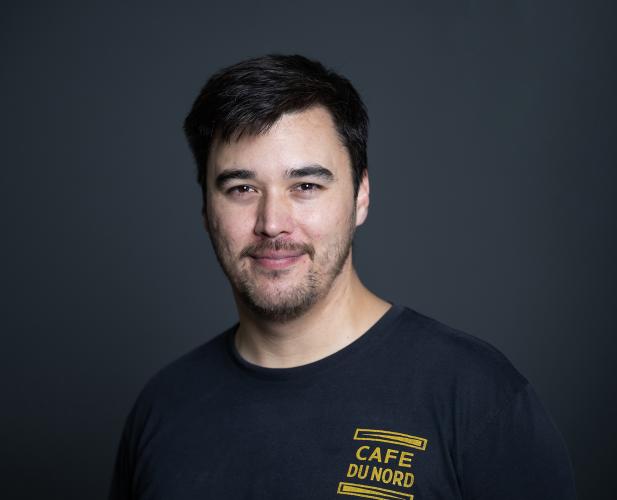
Michael Kim

Michael Kim

· Assistant Professor of Computer ScienceVerified

Cornell University · Computer Science

Active 2004–2025

h-index34
Citations5.3k
Papers27493 last 5y
Funding
See your match with Michael Kim — sign in to PhdFit.Sign in

About

Michael P. Kim is an Assistant Professor of Computer Science at Cornell University. His research investigates foundational questions about responsible machine learning, focusing on identifying problematic behaviors that emerge in machine-learned models and developing algorithmic tools that provably mitigate such behaviors. More broadly, he is interested in how the theory of computation can provide insight into emerging societal and scientific challenges. Prior to joining Cornell, Michael Kim was a Miller Postdoctoral Fellow at UC Berkeley, where he was hosted by Shafi Goldwasser. He completed his Ph.D. in the Stanford Theory Group under the guidance of Omer Reingold.

Research topics

  • Medicine
  • Biology
  • Surgery
  • Radiology
  • Cancer research
  • Genetics
  • Cell biology
  • Internal medicine

Selected publications

  • Multidisciplinary international expert consensus on perioperative airway management

    Translational Lung Cancer Research · 2025-04-01 · 3 citations

    reviewOpen access

    Background: Perioperative airway management is critical for patient safety and optimal surgical outcomes. Effective airway management reduces postoperative pulmonary complications and accelerates recovery. This expert consensus aims to update the earlier consensus based on the latest research and emphasize aspects that were previously overlooked. Methods: A comprehensive search up to June 2024 was performed. Earlier consensus documents were reviewed to ensure thorough coverage. A modified Delphi method involved 62 domestic experts from various surgical and anesthetic specialties who discussed and voted on preliminary recommendations in face-to-face meetings, requiring ≥70% agreement. Drafts were then reviewed by 18 international experts via email to incorporate diverse insights. Results: Through the modified Delphi method, consensus was achieved with ≥70% agreement among the 62 domestic experts, ensuring that the preliminary recommendations were robust and widely supported. Additionally, feedback from the 18 international experts provided diverse insights that further refined and validated the recommendations. Recommendations were established for preoperative airway preparation, anesthesia management, surgical approach, postoperative airway management, and managing coexisting respiratory diseases. These recommendations update the perspectives of earlier consensus documents based on the latest research and emphasize non-intubated surgery, inhalation therapy, and individualized treatment for patients with coexisting pulmonary diseases. Conclusions: This expert consensus provides a valuable reference for clinical practice. Further technological optimization and clinical research are needed to improve perioperative airway management.

  • Factors Associated With Next-Day Discharge After Pulmonary Lobectomy

    Annals of Thoracic Surgery Short Reports · 2025-07-15

    articleOpen accessSenior author

    Background: As surgical treatment of lung cancer continues to improve, the focus is now on improving patient outcomes. We aimed to determine the factors that play a role in discharge the day after pulmonary lobectomy. Methods: We performed a retrospective cohort study of patients who underwent lobectomy. We compared outcomes between patients who were discharged the next day and those who had longer hospital stays. Logistic regression modeling was performed to determine the characteristics associated with next-day discharges. Results: There were 591 patients who underwent lobectomy performed by 5 surgeons, of whom 270 (45.7%) were male with a median age of 69 years. Most patients underwent surgery by the da Vinci Xi robotic system (n = 491 [83.1%]), and 72 (12%) were discharged the next day. Patients who were discharged the next day had significantly fewer complications (6.9% vs 34.9%; P < .01), without a difference in the 30-day readmission rate (6.9% vs 7.3%; P = 1) or 30-day mortality (0% vs 0.4%; P =1). Multivariate logistic regression showed that surgeon (odds ratio, 3.60; 95% CI, 1.94-6.66) and the da Vinci Xi robotic approach (odds ratio, 9.79; 95% CI, 2.25-42.61) were 2 modifiable independent predictors of next-day discharge. Conclusions: The next-day discharge after pulmonary lobectomy was safe. Patients operated on by experienced surgeons using the da Vinci Xi robot were more likely to be discharged the following day. Gaining experience in performing robotic lobectomy may help ensure safe, next-day discharge after pulmonary lobectomy.

  • Distensibility index measured after Toupet fundoplication is associated with long-term dysphagia

    Surgical Endoscopy · 2025-06-10 · 1 citations

    article1st authorCorresponding
  • Surgical Resection of a Single Colorectal Lung Metastasis is Associated With Best Survival

    Journal of Surgical Research · 2025-04-19 · 4 citations

    articleSenior author
  • TULIPS Class 2.0: The Use of Functional Luminal Imaging Probe During Surgery

    Foregut The Journal of the American Foregut Society · 2025-12-07 · 1 citations

    articleOpen access

    The Endoluminal Functional Lumen Imaging Probe (EndoFLIPTM) impedance planimetry system is a tool that allows for real-time, objective feedback of gastrointestinal sphincter geometry in both the gastrointestinal suite and the operating room. Eight experienced foregut surgeons and one gastroenterologist, with a total of over 3750 FLIP cases, reviewed published data, unpublished data, and personal experience to update protocols for FLIP impedance planimetry system use in the operating room during fundoplication, magnetic sphincter augmentation (MSA), laparoscopic Heller myotomy (LHM), and peroral endoscopic myotomy (POEM). Additionally, they created standardized protocols for FLIP impedance planimetry system use in the operating room during peroral pyloromyotomy (POP), cricopharyngeal myotomy (CPM), and for collecting FLIP Panometry (ie, esophageal motility evaluation) in either the gastrointestinal (GI) suite or the operating room.

  • Esophageal Duplication Cyst: A Rare Cause of Esophagogastric Junction Obstruction

    Annals of Thoracic Surgery Short Reports · 2025-10-04

    articleOpen accessSenior author

    Esophageal duplication cysts are rare benign esophageal masses. We present the case of a 37-year-old man with slowly progressing dysphagia and postprandial pain who was found to have a cystic mass measuring 4.6 cm × 5.4 cm × 4.6 cm above the esophagogastric junction. The manometry results were consistent with esophagogastric outflow obstruction. The patient underwent robot-assisted laparoscopic parasophageal mass resection with intraoperative endoluminal functional lumen imaging probe analysis. This report describes esophageal duplication cysts as a cause of esophagogastric junction obstruction and discusses a management approach for this condition.

  • Intercostal Nerve Cryoablation and Pain Outcomes in Robotic Lung Surgery

    Annals of Thoracic Surgery Short Reports · 2025-11-01

    articleOpen accessSenior author

    <h2>Abstract</h2><h3>Background</h3> Pain after robot-assisted thoracoscopic lung surgery is a contributing factor to postoperative complications and patient satisfaction. Cryoablation of the intercostal nerves temporarily disrupts nerve function and decreases pain. We evaluated the effect of cryoablation of the intercostal nerves on postoperative pain and opioid use. <h3>Methods</h3> We performed a retrospective single-institution analysis of patients who underwent robot-assisted thoracoscopic lung surgery, with or without cryoablation between 2019 and 2022. We analyzed demographics, postoperative pain scores using a Likert scale, opioid use, postoperative complications, length of stay, and readmission. <h3>Results</h3> Robot-assisted thoracoscopic lung surgery was performed in 230 patients, and 39 (17%) patients underwent cryoablation. Pain scores for the cryoablation group were lower at 12 hours (0 vs 2, <i>P</i> = .04) and higher at 5 weeks (4 vs 1, <i>P</i> = .01). The cryoablation group was more likely to receive an opioid prescription (46.2% vs 29.3%, <i>P</i> = .04) and a higher reported use of narcotics at 5 weeks (61.5% vs 37.7%, <i>P</i> < .01). There were no statistical differences in postoperative morphine milliequivalents per day, minor and major complication rates, total length of hospital stay, and readmission rates. <h3>Conclusions</h3> Cryoablation of multilevel intercostal nerves has higher pain levels at 5 weeks without significant differences in the outcomes. This may be due to an increase in neuroma formation at multiple levels from the cryoablation.

  • Impact of Intraoperative C-arm 3D Imaging on the Diagnostic Yield of Robotic Shape-Sensing Navigation Transbronchial Biopsy

    Annals of Thoracic Surgery Short Reports · 2025-02-19

    articleOpen accessSenior author

    Background: Robotic navigational bronchoscopy using shape-sensing technology aids in diagnosing suspicious nodules. It can be used with different imaging modalities to improve accuracy. We aimed to determine the impact of C-arm 3-dimensional (3D) imaging on the diagnostic yield. Methods: In this single-center retrospective study, we assessed the accuracy of robotic navigation bronchoscopy-guided lung nodule biopsy by using C-arm 3D imaging. We collected demographic data, nodule imaging characteristics, procedural details, and pathology reports, analyzed patients with definitive diagnoses and those without, and followed up these patients for at least 1 year. Results: The study included 95 patients (median age, 69 years; 52% female; 67% current or former smokers) who underwent robotic bronchoscopy with C-arm 3D imaging. The median nodule size was 1.70 cm (interquartile range, 1.18-2.40 cm). A total of 55 nodules (58%) were described as spiculated, with most located in the right upper lobe (34%) and right lower lobe (23%). One patient (1%) experienced pneumothorax on postprocedure chest radiography, and it was managed with serial chest roentgenograms without a chest tube. Diagnoses included malignant disease (n = 52; 55%), benign conditions (n = 25; 26%), and no definitive diagnosis (n = 18; 19%). Among those without a definitive diagnosis, 6 patients (6%) were later confirmed to have cancer after surgical resection, whereas 12 patients (13%) showed no malignancy at the 12-month follow-up, resulting in 94% diagnostic accuracy at 12 months. Conclusions: Robotic shape-sensing navigation bronchoscopy combined with advanced C-arm 3D imaging yielded a high diagnostic accuracy with minimal complications. This approach is recommended for patients with suspicious lung nodules to enhance the diagnostic yield.

  • Robotic-Assisted Lobectomy Following Induction Chemoimmunotherapy Achieves Complete Pathologic Response in Stage IIIA Lung Adenocarcinoma: A Case Report

    Cureus · 2025-09-14

    articleOpen accessSenior author

    Novel therapies for clinical stage IIIA lung cancer are changing the outcomes in advanced clinical stage lung cancer. A 77-year-old female patient diagnosed with clinical T4 or stage IIIA right lower lobe adenocarcinoma with a KRAS mutation. She received neoadjuvant chemoimmunotherapy for an 8 cm tumor, which showed a moderate response on imaging. The patient underwent robotic-assisted thoracoscopic right lower lobectomy and mediastinal lymph node dissection. The final pathology showed a complete response. Novel induction chemoimmunotherapy provides an opportunity to completely eradicate cancer and provides surgical therapy for patients with advanced lung cancer.

  • Response Regarding: Pulmonary Metastasectomy Versus Continued Active Monitoring in Colorectal Cancer and Lung Metastasectomy for Colorectal Cancer

    Journal of Surgical Research · 2025-07-25

    letterSenior author

Frequent coauthors

  • Edward Y. Chan

    Methodist Hospital

    159 shared
  • Ray Chihara

    Methodist Hospital

    86 shared
  • Shanda H. Blackmon

    Mayo Clinic in Arizona

    77 shared
  • Puja Gaur

    76 shared
  • Edward A. Graviss

    Methodist Hospital

    55 shared
  • Leonora M. Meisenbach

    Methodist Hospital

    53 shared
  • Dhruva K. Mishra

    Charles R. Drew University of Medicine and Science

    51 shared
  • Duc T. Nguyen

    Johns Hopkins Hospital

    48 shared
  • Resume-aware match score
  • Save to shortlist
  • AI-drafted outreach

See your match with Michael Kim

PhdFit ranks faculty by your research interests, methods, and publications — grounded in their actual work, not templates.

  • Free to start
  • No credit card
  • 30-second signup