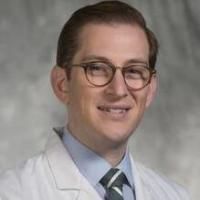
Michael B Rothberg
· Assistant Professor of UrologyDuke University · Urology
Active 1977–2024
About
Michael B Rothberg is an Assistant Professor of Urology at Duke University and a member of the Duke Cancer Institute. His role involves contributing to the academic and clinical missions of the department, with a focus on urological health and cancer research. As part of his responsibilities, he is engaged in advancing urological medicine through research, education, and patient care, supporting the department's efforts to improve outcomes for patients with urological conditions.
Research topics
- Medicine
- Internal medicine
- Endocrinology
- Environmental health
- Immunology
Selected publications
Clinical Infectious Diseases · 2021 · 142 citations
Senior authorCorresponding- Medicine
- Internal medicine
- Immunology
BACKGROUND: Protection afforded from prior disease among patients with coronavirus disease 2019 (COVID-19) infection is unknown. If infection provides substantial long-lasting immunity, it may be appropriate to reconsider vaccination distribution. METHODS: This retrospective cohort study of 1 health system included 150 325 patients tested for COVID-19 infection via polymerase chain reaction from 12 March 2020 to 30 August 2020. Testing performed up to 24 February 2021 in these patients was included. The main outcome was reinfection, defined as infection ≥90 days after initial testing. Secondary outcomes were symptomatic infection and protection of prior infection against reinfection. RESULTS: Of 150 325 patients, 8845 (5.9%) tested positive and 141 480 (94.1%) tested negative before 30 August. A total of 1278 (14.4%) positive patients were retested after 90 days, and 62 had possible reinfection. Of those, 31 (50%) were symptomatic. Of those with initial negative testing, 5449 (3.9%) were subsequently positive and 3191 of those (58.5%) were symptomatic. Protection offered from prior infection was 81.8% (95% confidence interval [CI], 76.6-85.8) and against symptomatic infection was 84.5% (95% CI, 77.9-89.1). This protection increased over time. CONCLUSIONS: Prior infection in patients with COVID-19 was highly protective against reinfection and symptomatic disease. This protection increased over time, suggesting that viral shedding or ongoing immune response may persist beyond 90 days and may not represent true reinfection. As vaccine supply is limited, patients with known history of COVID-19 could delay early vaccination to allow for the most vulnerable to access the vaccine and slow transmission.
Diabetes Care · 2020 · 83 citations
Senior authorCorresponding- Medicine
- Internal medicine
- Endocrinology
OBJECTIVE: ) to determine whether physicians individualize diabetes treatment as recommended by the American Diabetes Association (ADA). RESEARCH DESIGN AND METHODS: >6.4%, or had a fasting plasma glucose >125 mg/dL. Pregnant women and patients aged <20 years receiving only insulin were excluded. We assessed trends in use of ADA's seven preferred classes from 2003-2004 to 2015-2016. We also examined use by hypoglycemia risk (sulfonylureas, insulin, and meglitinides), weight effect (sulfonylureas, thiazolidinediones [TZDs], insulin, and meglitinides), cardiovascular benefit (canagliflozin, empagliflozin, and liraglutide), and cost (brand-name medications and insulin analogs). RESULTS: <6%, and age ≥65 years were less likely to receive hypoglycemia-inducing medications, while older patients with comorbidities were more likely. Insurance, but not income, was associated with the use of higher-cost medications. CONCLUSIONS: Following ADA recommendations, the use of metformin increased, but physicians generally did not individualize treatment according to patients' characteristics. Substantial opportunities exist to improve pharmacologic management of diabetes.
Recent grants
NIH · $1.1M · 2014
Reducing Antimicrobial Overuse in HCAP Through Personalized Antimicrobial Recommendations
NIH · $2.5M · 2015–2021
Patient-Centered approach to reducing harm from VTE
NIH · $993k · 2014–2019
Frequent coauthors
- 329 shared
Patrizia Violi
- 329 shared
Marianne Hirsch
Columbia University
- 329 shared
Frank van Vree
University of Amsterdam
- 329 shared
R. van der Laarse
University of Illinois System
- 315 shared
Peter K. Lindenauer
Baystate Health
- 304 shared
Ihab Saloul
- 219 shared
Abhishek Deshpande
New York Proton Center
- 195 shared
Penelope S. Pekow
University of Massachusetts Amherst
Similar researchers at Duke University
- Resume-aware match score
- Save to shortlist
- AI-drafted outreach
See your match with Michael B Rothberg
PhdFit ranks faculty by your research interests, methods, and publications — grounded in their actual work, not templates.
- Free to start
- No credit card
- 30-second signup