
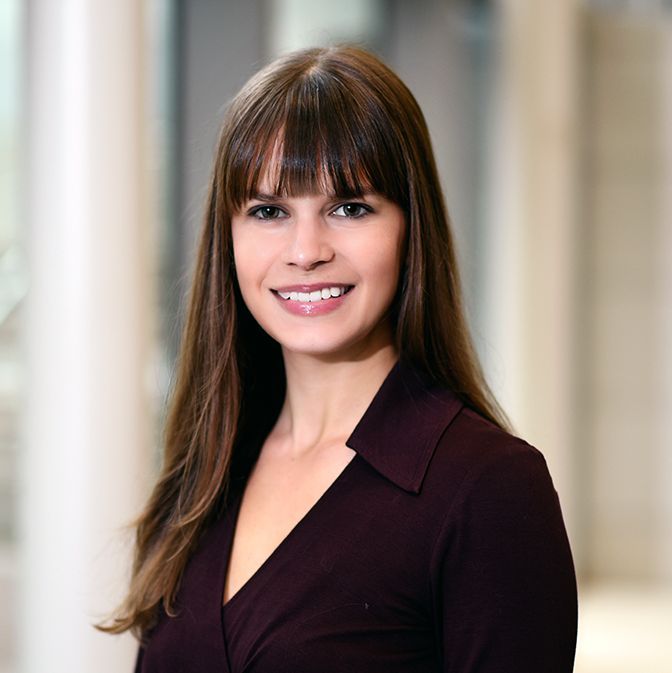
Margaret Moon
· Associate ProfessorJohns Hopkins University · Ophthalmology
Active 1997–2023
Academic metrics are sourced from OpenAlex and public funding records; values may differ from Google Scholar.
About
Margaret Moon, MD, MPH, is an Associate Professor of General Pediatrics and Adolescent Medicine at Johns Hopkins School of Medicine and a faculty member at the Johns Hopkins Berman Institute of Bioethics. She completed a fellowship in Clinical Medical Ethics at the McLean Center for Clinical Medical Ethics of the University of Chicago and was a Robert Wood Johnson Clinical Scholar at the University of Chicago. Dr. Moon is a graduate of the Johns Hopkins University School of Medicine and the Johns Hopkins University School of Public Health, holding a BS from Michigan State University. Her clinical work is based at the Johns Hopkins Harriet Lane Primary Care Clinic, where she teaches residents in the acute care setting and contributes to the Harriet Lane Continuity Clinic Curriculum Internet Learning Center. She actively engages in teaching clinical and research ethics to fellows, residents, and students throughout Johns Hopkins Hospital and School of Medicine. Dr. Moon is involved in research focusing on empirical evaluation of ethics in everyday clinical practice, teaching and evaluating housestaff education in ethics, and the ethics of community-based research. She is supported as the Freeman Family Scholar in Clinical Ethics at the Berman Institute and serves on various IRBs and ethics committees within Johns Hopkins.
Research topics
- Internal medicine
- Medicine
- Intensive care medicine
- Environmental health
- Pediatrics
- Gynecology
- Virology
- Geography
- Surgery
Selected publications
Informed Consent in Decision-Making in Pediatric Practice
PEDIATRICS · 2016-07-25 · 177 citations
articleThis Policy Statement was reaffirmed January 2023. Informed consent should be seen as an essential part of health care practice; parental permission and childhood assent is an active process that engages patients, both adults and children, in health care. Pediatric practice is unique in that developmental maturation allows, over time, for increasing inclusion of the child’s and adolescent’s opinion in medical decision-making in clinical practice and research.
Guidance on Forgoing Life-Sustaining Medical Treatment
PEDIATRICS · 2017-08-28 · 161 citations
articleOpen accessPediatric health care is practiced with the goal of promoting the best interests of the child. Treatment generally is rendered under a presumption in favor of sustaining life. However, in some circumstances, the balance of benefits and burdens to the child leads to an assessment that forgoing life-sustaining medical treatment (LSMT) is ethically supportable or advisable. Parents are given wide latitude in decision-making concerning end-of-life care for their children in most situations. Collabor…
PEDIATRICS · 2020 · 94 citations
Many cancers presenting in children and adolescents are curable with surgery, chemotherapy, and/or radiotherapy. Potential adverse consequences of treatment include sterility, infertility, or subfertility as a result of gonad removal, damage to germ cells as a result of adjuvant therapy, or damage to the pituitary and hypothalamus or uterus as a result of irradiation. In recent years, treatment of solid tumors and hematologic malignancies has been modified in an attempt to reduce damage to the g…
Scientific Reports · 2016-07-15 · 76 citations
articleOpen accessThis study aimed to investigate the optimal degree of weight gain across the gestational spectrum in 1971 children enrolled at birth and followed up to age 7 years. Weight gain in infancy was categorized into four groups based on weight gain z-scores: slow (<-0.67), on track (-0.67 to 0.67), rapid (0.67 to 1.28), and extremely rapid (>1.28). Underweight and overweight or obesity (OWO) were defined as a body mass index ≤5(th) and ≥85(th) percentile, respectively, for age and gender. In our popula…
Shoring up the safety net for children in the COVID-19 pandemic
Pediatric Research · 2020 · 50 citations
Frequent coauthors
- 55 shared
Raquel Hernandez
- 54 shared
Stephen D. Sisson
Johns Hopkins University
- 51 shared
John D. Cowden
Research Triangle Park Foundation
- 51 shared
Darcy A. Thompson
University of Colorado Anschutz Medical Campus
- 23 shared
Mark T. Hughes
- 23 shared
Joseph A. Carrese
Johns Hopkins Medicine
- 13 shared
Erin McDonald
Tampa General Hospital
- 12 shared
Holly A. Taylor
Awards & honors
- Freeman Family Scholar in Clinical Ethics
Similar researchers at Johns Hopkins University
- Resume-aware match score
- Save to shortlist
- AI-drafted outreach
See your match with Margaret Moon
PhdFit ranks faculty by your research interests, methods, and publications — grounded in their actual work, not templates.
- Free to start
- No credit card
- 30-second signup