Resume-aware faculty matching

Find professors who actually fit you

Upload your resume. Four AI agents analyze your background, rank the faculty who fit, inspect their recent research, and help you draft outreach — grounded in their actual work, not templates.

Free to startNo credit cardCancel anytime
Top matches Balanced preset
Dr. Sarah Chen
Stanford · Interpretability · NLP
91
Dr. Marcus Holloway
MIT · Robotics · RL
84
Dr. Aisha Okonkwo
CMU · Fairness · HCI
82
Nova · Professor Researcher · re-ranking top 20…
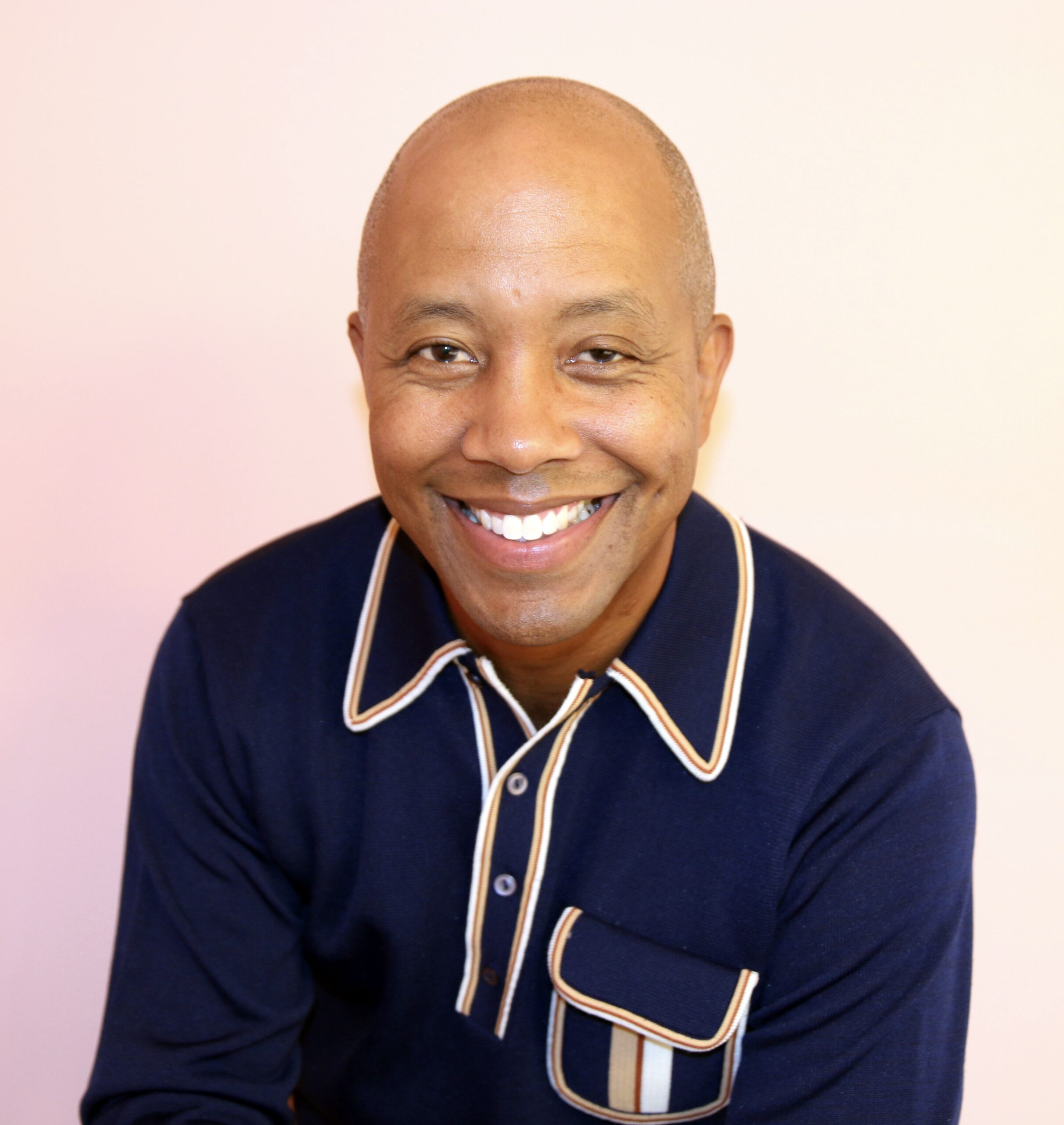
Marc A. Grimmett

Marc A. Grimmett

· Professor of Counselor EducationVerified

North Carolina State University · Health, Physical Education, and Recreation

Active 2008–2024

h-index5
Citations144
Papers132 last 5y
Funding
See your match with Marc A. Grimmett — sign in to PhdFit.Sign in

About

Marc A. Grimmett, Ph.D., is a Professor, program coordinator, and founder and director of the Community Counseling, Education, and Research Center (CCERC) within the counselor education program at NC State University. His research is guided by the framework of RADICAL scholarship, which emphasizes research action to deconstruct institutionalized cultures and advocate for liberation. His scholarly work focuses on preventing gender-based violence through education, activism, male engagement, transformative masculinity, and community partnerships; facilitating access to community mental health counseling services; transforming systemic factors to promote healthy development among African American populations, particularly males; and developing social justice-oriented teaching and research methods in counselor education. Dr. Grimmett is also the executive producer, co-director, and co-writer of the educational documentary MY MASCULINITY HELPS, which explores the role of African American men and boys in sexual violence prevention.

Research topics

  • Psychology
  • Social psychology
  • Sociology
  • Medicine
  • Medical education
  • Pedagogy
  • Developmental psychology
  • Gender studies
  • Psychotherapist
  • Applied psychology

Selected publications

  • Intent and impact: Connecting multicultural and social justice counselor training to community client experiences

    Journal of Multicultural Counseling and Development · 2024 · 4 citations

    1st authorCorresponding
    • Sociology
    • Psychology
    • Applied psychology

    Abstract Limited studies examine the impact of multicultural counseling and training conceptual models on the experiences of community clients. The Community Counseling, Education, and Research Center (CCERC) model is designed to meet community client needs for counseling services and training needs of counseling students through multiculturalism, love ethic, and trauma sensitivity. A thematic analysis of client responses about their experience of the model revealed that counseling was validating, positive, meaningful, and helpful. Implications and recommendations for future research are provided.

  • Educating High School Black Males From Within the #MeToo Movement

    Professional School Counseling · 2021 · 3 citations

    1st authorCorresponding
    • Psychology
    • Developmental psychology
    • Social psychology

    The education of Black male high school students is presently occurring in the context of the #MeToo movement. Recent reports of inappropriate sexual conduct by high profile men, including Black men, have generated heightened awareness, confusion, anxiety, and ambivalence among Black males regarding what behavior is acceptable toward girls and women and related consequences of such behavior. In high school, when identity and interpersonal relationship skills are still relatively early in development, this apparent ambiguity potentially interferes with learning processes, helping to undermine educational equity for Black males. With this mixed-methods documentary intervention research study, we assessed the impact of the short, educational documentary My Masculinity Helps (MMH) on Black male high school students in reducing rape myth acceptance and affirming active bystander attitudes and behaviors. MMH explores the role of Black men and boys in the prevention of sexual violence. Findings suggest that participants developed a more accurate understanding of consent and sexual assault, and more affirmative attitudes toward active bystander behavior, such as helping someone who has been sexually assaulted or wanting to engage in prevention strategies. We provide implications for school counselors using the American School Counselor Association National Model.

  • A Thematic Analysis of the Impact of <i>MY MASCULINITY HELPS</i> as a Tool for Sexual Violence Prevention

    Journal of Interpersonal Violence · 2018-04-26 · 2 citations

    article1st authorCorresponding

    The purpose of this study is to explore the impact of an educational documentary, MY MASCULINITY HELPS ( MMH), as a sexual violence prevention tool. MMH is a short (i.e., 31 min) educational documentary that explores the role of African American men and boys in the prevention of sexual violence. Participants ( N = 88) completed an electronic, qualitative questionnaire after viewing the documentary and data collected were analyzed and interpreted using thematic analysis. Findings from the study highlighted the power of documentary film to impact knowledge, beliefs, social norms related to masculinity and the role of African American men as allies, empowerment, and commitment to action. Implications of MMH as a prosocial bystander behavior intervention and educational tool are discussed.

  • The Community Counseling, Education, and Research Center (CCERC) Model: Addressing Community Mental Health Needs Through Engagement Scholarship

    Journal of higher education outreach & engagement/Journal of higher education outreach and engagement. · 2018-09-30 · 4 citations

    articleOpen access1st authorCorresponding

    Providing access to high-quality health services for all people is a national problem further compounded when the focus is mental health. Long-term primary prevention strategies and solutions, foundational to best practices in public health, are often considered at odds with short-term profit-driven private sector approaches within the capitalistic economy of the United States. Engagement scholarship, then, provides a uniquely viable, adaptable, responsive, customizable, and sustainable set of structures, mechanisms, and processes to address pressing societal needs. The CCERC model of engaged scholarship offers an example of community engagement, transformative and exceptional in addressing these societal and structural health care problems, with potential for customizable and contextual scalability. Specifically, world-class health care as a human right and an organizational value can be operationalized with engagement scholarship, which has the creativity and capacity to transform institutional values into purposeful and practical vehicles of community change.

  • A Community Counseling Center Model for Multicultural and Social Justice Counselor Education

    Journal of Counselor Leadership and Advocacy · 2017-07-03 · 5 citations

    article1st authorCorresponding

    The Community Counseling, Education, and Research Center (CCERC) model addresses a critical public health need for accessible, affordable, high-quality mental health services focused on wellness. Within a southeastern urban community, the multicultural and social justice foundation of the model responds to systemic needs and creates an optimal learning environment for counselor education graduate students, unavailable in traditional health-care and human service systems. A client study is offered to demonstrate the application of the model.

  • The Process and Implications of Diagnosing Oppositional Defiant Disorder in African American Males

    The Professional Counselor · 2016-07-01 · 17 citations

    articleOpen access1st authorCorresponding

    Research studies indicate that the number of African Americans diagnosed with oppositional defiant disorder (ODD) is disproportionately higher than other demographic groups (Feisthamel & Schwartz, 2009; Schwartz & Feisthamel, 2009). One contributing factor for this disproportionality is that White American clients presenting with the same disruptive behavioral symptoms as African American clients tend to be diagnosed with adjustment disorder. Feisthamel and Schwartz (2009) concluded, perceive attention deficit, oppositional, and conduct-related problems as significantly more common among clients of color (p. 51), and racial diagnostic bias may influence the assessment process. Racial biases in clinical decision making are explained in a conceptual pathway developed by Feisthamel and Schwartz (2007).In the pathway, counselors who hold stereotypical beliefs about clients selectively attend to client information. The counselor's judgment is influenced by personal bias, resulting in misdiagnosing the client. African American masculinity stereotypes of criminal mindedness, violent behavior, aggression and hostility (Spencer, 2013) held by counselors with low multicultural social justice counseling competence (Ratts, Singh, Nassar-McMillan, Butler, & McCullough, 2015; Sue, Arredondo, & McDavis, 1992) potentially foster misdiagnosis and overdiagnosis of African American males with ODD.Studies on how African American males are diagnosed with ODD and specific implications for African American males are relatively nonexistent. McNeil, Capage, and Bennett (2002) indicated the majority of information on children diagnosed with ODD has been obtained from primarily White children and families. They recommended that counselors working with African American families consider the African American family's unique stressors, worldviews and burdens; possible inclusion of the extended family; possible therapist biases that conflict with client's worldview; and positive factors that lead to competency, self-reliance and health in African American culture (Lindsey & Cuellar, 2000). Thus, an appropriate ODD diagnosis in African American males requires assessment and treatment plan considerations that include other related factors.Diagnosing Oppositional Defiant Disorder in African American MalesAccording to the Diagnostic and Statistical Manual of Mental Disorders, Fifth Edition (DSM-5; American Psychiatric Association [APA], 2013), ODD is characterized by a pattern of behavior that includes angry and irritable mood, argumentative and defiant behavior, and/or vindictiveness. Symptoms must cause significant problems at home, school or work; must occur with at least one individual who is not a sibling; and must persist for 6 months or more (APA, 2013). The diagnostic assessment also determines that (a) these behaviors are displayed more often than is typical for peers, and (b) symptoms are not associated with other mental health disorders such as anxiety, depression, antisocial behavior and substance abuse disorders.High rates of ODD diagnosis among African American males may occur because of low cultural competency in diagnosis and counselor bias (Guindon & Sobhany, 2001; Hays, Prosek, & McLeod, 2010; Snowden, 2003). Spencer and Oatts (1999) and Clark (2007), for example, found that health professionals misinterpreted symptoms of disruptive behavior disorders like ODD at greater rates for African American children. Misdiagnosis was common among children assessed as having symptoms of (a) obsessive compulsive disorder and response to rigid classroom rules, (b) bipolar disorder or attention-deficit/hyperactivity disorder and engagement in destructive behavior, and (c) anxiety disorder (e.g., social anxiety) and dislike for school, and defiance toward teachers. These symptoms also may result from unfair treatment and discrimination (Smith & Harper, 2015). Misdiagnosis of ODD can reasonably be expected to have potentially adverse implications for healthy psychological, emotional and social development in family and education systems. …

  • Sexual Identity, Mental Health, HIV Risk Behaviors, and Internalized Homophobia Among Black Men Who Have Sex With Men

    Journal of Counseling & Development · 2015-03-10 · 72 citations

    articleOpen accessSenior authorCorresponding

    The purpose of this study was to determine the relationships between sexual identity, depression, self-esteem, HIV risk behaviors, HIV status, and internalized homophobia in Black men who have sex with men. Results demonstrated a positive relationship between depression, HIV risk behaviors, and internalized homophobia; a negative relationship with self-esteem; and differences in internalized homophobia by HIV status (i.e., positive, negative, or unknown). Counseling recommendations are provided for working with this population.

  • Transformative Black Masculinity: Black Male Student-Athletes and Sexual Violence Prevention

    2015-06-03 · 2 citations

    book-chapter1st authorCorresponding

    Abstract African American student-athletes represent the largest racial minority group of athletes in the National Collegiate Athletic Association (NCAA) and the majority of male student-athletes in football and basketball. The NCAA has partnered with It’s On Us, an awareness campaign to help end sexual violence on college campuses. Intercollegiate athletics is a viable context, then, to consider transformative Black masculinity and sexual violence prevention. Transformative Black masculinity is when an African American or Black man intentionally employs his identity in the service of social justice and purposefully engages other Black males, as well as others, for that cause. This chapter considers transformative Black masculinity as a conceptual tool for the intentional engagement of Black male student-athletes within institutions of higher education for sexual violence prevention. Recommendations for policy, education and practice, and research are provided.

  • Using a Cohort Model for School Counselor Preparation to Enhance Commitment to Social Justice

    The Journal for Specialists in Group Work · 2010-07-16 · 13 citations

    articleSenior author

    This article describes a cohort model of school counselor preparation designed to enhance graduate student commitment to social justice. Foundational principles of group work are used as the vehicle for understanding self in context and for integrating the tenets associated with social justice advocacy. Key components related to program mission, admissions processes, and course sequence are discussed. Recommendations for other counselor education programs are also identified.

  • Brothers in Excellence: An Empowerment Model for the Career Development of African American Boys

    The Journal of Humanistic Counseling Education and Development · 2010-03-01 · 3 citations

    article1st authorCorresponding

    The author describes Brothers in Excellence (BE), a conceptual model for understanding African American boys and helping them to be successful. BE addresses 3 domains of development proposed to be essential to the success of all African American boys: identity development, social development, and career development.

Frequent coauthors

  • Stanley B. Baker

    North Carolina State University

    4 shared
  • Arline Edwards-Joseph

    Liberty University

    4 shared
  • Sharon Cannon

    4 shared
  • Millie Maxwell

    Washington University in St. Louis

    4 shared
  • Cory Clark

    The Chicago School of Professional Psychology

    3 shared
  • Alyx Beckwith

    North Carolina Central University

    3 shared
  • Helen Lupton‐Smith

    North Carolina Central University

    3 shared
  • Michael Englert

    Child Neurology Associates

    3 shared
  • Resume-aware match score
  • Save to shortlist
  • AI-drafted outreach

See your match with Marc A. Grimmett

PhdFit ranks faculty by your research interests, methods, and publications — grounded in their actual work, not templates.

  • Free to start
  • No credit card
  • 30-second signup