
Resume-aware faculty matching

Find professors who actually fit you

Upload your resume. Four AI agents analyze your background, rank the faculty who fit, inspect their recent research, and help you draft outreach — grounded in their actual work, not templates.

Free to startNo credit cardCancel anytime
Top matches Balanced preset
Dr. Sarah Chen
Stanford · Interpretability · NLP
91
Dr. Marcus Holloway
MIT · Robotics · RL
84
Dr. Aisha Okonkwo
CMU · Fairness · HCI
82
Nova · Professor Researcher · re-ranking top 20…
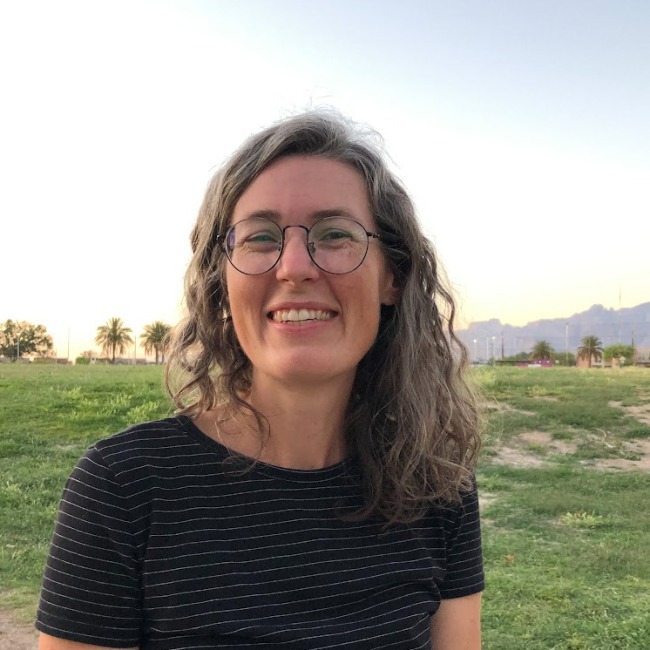
Leona Davis

Leona Davis

Verified

University of Arizona · Higher Education

Active 1973–2024

h-index29
Citations7.0k
Papers9320 last 5y
Funding
See your match with Leona Davis — sign in to PhdFit.Sign in

About

Leona Davis is a faculty member at the College of Education at the University of Arizona. Her professional journey includes teaching in K-12 schools, designing and building water harvesting systems, managing food security programs at the Community Food Bank of Southern Arizona, and starting Earth Grant, a leadership development and paid internship program for University of Arizona undergraduates pursuing environmental careers. Currently, she manages interdisciplinary environmental graduate education programs with the Arizona Institute for Resilience. Her research interests focus on the intersections of environmental education, leadership development education, culture and identity, and the design and evaluation of equitable and inclusive educational programs. Her work has been published in journals such as Environmental Health Perspectives, Citizen Science Theory and Practice, and the International Journal of Environmental Research and Public Health.

Research topics

  • Medicine
  • Internal medicine
  • Pharmacology
  • Oncology
  • Gastroenterology

Selected publications

  • Comparable efficacy of oral bendamustine versus intravenous administration in treating hematologic malignancies

    Cancer Chemotherapy and Pharmacology · 2024-06-15 · 1 citations

    articleOpen access
  • Comparable Efficacy of Oral Bendamustine versus Intravenous Administration in Treating Hematologic Malignancies

    Research Square · 2024-01-16

    preprintOpen access

    <title>Abstract</title> <italic>Purpose:</italic> The purpose of this study was to analyze potential differences in antitumor efficacy and pharmacokinetics between intravenous (IV) bendamustine (BEN) and a novel orally administered bendamustine agent (PO) that is utilizing the beneficial properties of superstaturated solid dispersions formulated in nanoparticles. <italic>Methods: </italic>Pharmacokinetics of IV versus PO BEN were determined by analysis of plasma samples collected from NSG mice treated with either IV or PO BEN. Plasma samples were analyzed using liquid chromatography-mass spectrometry (LC/MS/MS) following a liquid-liquid extraction to determine peak BEN concentration (Cmax), area under the concentration-time curve (AUC) and the half-life (t1/2) <italic>in-vivo</italic>. <italic>In-vitro</italic> cytotoxicity of BEN against human non-Hodgkin’s Burkitt’s Lymphoma (Raji), multiple myeloma (MM.1s), and B-cell acute lymphoblastic leukemia (RS4;11) cell lines was determined over time using MTS assays. Luciferase-tagged versions of the aforementioned cell lines were used to determine <italic>in-vivo</italic> BEN cytotoxicity of IV versus PO BEN at two different doses. <italic>Results: </italic>Bendamustine at a high dose <italic>in-vitro </italic>causes cell death. There was no significant difference in antitumor efficacy between IV and novel PO BEN at a physiologically relevant concentration in all three xenograft models. <italic>In-vivo</italic> pharmacokinetics showed the oral bioavailability of BEN in mice to be 51.4%.<italic> </italic> <italic>Conclusions:</italic> The novel oral BEN agent tested exhibits good oral bioavailability and systemic exposure for <italic>in-vivo</italic> antitumor efficacy comparable to IV BEN. An oral BEN formulation offers exciting clinical potential as an additional method of administration for bendamustine and warrants further evaluation in clinical studies.

  • Supplemental legend from Autophagy Inhibition to Augment mTOR Inhibition: a Phase I/II Trial of Everolimus and Hydroxychloroquine in Patients with Previously Treated Renal Cell Carcinoma

    2023-03-31

    preprintOpen access

    &lt;p&gt;Supplemental legend&lt;/p&gt;

  • Supplemental legend from Autophagy Inhibition to Augment mTOR Inhibition: a Phase I/II Trial of Everolimus and Hydroxychloroquine in Patients with Previously Treated Renal Cell Carcinoma

    2023-03-31

    preprintOpen access

    &lt;p&gt;Supplemental legend&lt;/p&gt;

  • Data from Autophagy Inhibition to Augment mTOR Inhibition: a Phase I/II Trial of Everolimus and Hydroxychloroquine in Patients with Previously Treated Renal Cell Carcinoma

    2023-03-31

    preprintOpen access

    &lt;div&gt;AbstractPurpose:&lt;p&gt;Everolimus inhibits the mTOR, activating cytoprotective autophagy. Hydroxychloroquine inhibits autophagy. On the basis of preclinical data demonstrating synergistic cytotoxicity when mTOR inhibitors are combined with an autophagy inhibitor, we launched a clinical trial of combined everolimus and hydroxychloroquine, to determine its safety and activity in patients with clear-cell renal cell carcinoma (ccRCC).&lt;/p&gt;Patients and Methods:&lt;p&gt;Three centers conducted a phase I/II trial of everolimus 10 mg daily and hydroxychloroquine in patients with advanced ccRCC. The objectives were to determine the MTD of hydroxychloroquine with daily everolimus, and to estimate the rate of 6-month progression-free survival (PFS) in patients with ccRCC receiving everolimus/hydroxychloroquine after 1–3 prior treatment regimens. Correlative studies to identify patient subpopulations that achieved the most benefit included population pharmacokinetics, measurement of autophagosomes by electron microscopy, and next-generation tumor sequencing.&lt;/p&gt;Results:&lt;p&gt;No dose-limiting toxicity was observed in the phase I trial. The recommended phase II dose of hydroxychloroquine 600 mg twice daily with everolimus was identified. Disease control [stable disease + partial response (PR)] occurred in 22 of 33 (67%) evaluable patients. PR was observed in 2 of 33 patients (6%). PFS ≥ 6 months was achieved in 15 of 33 (45%) of patients who achieved disease control.&lt;/p&gt;Conclusions:&lt;p&gt;Combined hydroxychloroquine 600 mg twice daily with 10 mg daily everolimus was tolerable. The primary endpoint of &gt;40% 6-month PFS rate was met. Hydroxychloroquine is a tolerable autophagy inhibitor in future RCC or other trials.&lt;/p&gt;&lt;/div&gt;

  • Fixed vs Random Team Assignments and Student Outcomes in a Therapeutics Course

    American Journal of Pharmaceutical Education · 2023-08-01

    articleOpen access

    <h3>Objective</h3> To examine the association between fixed, systematically developed teams vs randomly formed teams on workshop preparation and learning outcomes. <h3>Methods</h3> In this crossover study, students in a third-year therapeutics course were randomized to complete workshop sessions 1-4 in fixed, systematically developed teams or teams randomly assigned before each session before crossing over for workshops 5-8. Students provided information on grade point average, work experience, and leadership tendencies, and completed an abbreviated version of the Motivated Strategies for Learning Questionnaire for team formation. After each workshop, students completed a learning outcomes quiz, reported time spent preparing for workshop, and rated their perceived preparedness of self and peers on a scale of 1 (not at all prepared) to 5 (very well prepared). At the end of the semester, students reported team formation preferences. Parametric data were compared using paired t-tests, while Wilcoxon signed-rank tests were used for non-parametric data. <h3>Results</h3> Of the 66 students, the median number of weekly work hours and semester credit hours were 14.5[IQR 10-19] and 16[IQR15-17], respectively. Forty-nine students (74.2%) preferred working in fixed teams, and 44 (66.7%) perceived fixed teams to be best for learning. There was no difference in mean post-workshop quiz scores (78.7% fixed vs 77.4% random, p=.21), mean exam scores (77.9% vs 77.6%, p=.79), or median time preparing for workshop (91.3 vs 95.6minutes, p=.48) between groups. Although students perceived themselves to be more prepared for workshop when working in fixed teams (4 vs 3.75, p=.014), there was no difference in perception of peer preparedness. <h3>Conclusions</h3> While students preferred and felt more prepared working in fixed teams, there was no difference in learning outcomes or preparation between groups.

  • Supplementary Data from Autophagy Inhibition to Augment mTOR Inhibition: a Phase I/II Trial of Everolimus and Hydroxychloroquine in Patients with Previously Treated Renal Cell Carcinoma

    2023-03-31

    preprintOpen access

    &lt;p&gt;Supplemental Figures 1 and 2 (S1. Measurement of autophagic vesicles in PBMC and S2 Massively parallel sequencing and outcome.&lt;/p&gt;

  • Data from Autophagy Inhibition to Augment mTOR Inhibition: a Phase I/II Trial of Everolimus and Hydroxychloroquine in Patients with Previously Treated Renal Cell Carcinoma

    2023-03-31

    preprintOpen access

    &lt;div&gt;AbstractPurpose:&lt;p&gt;Everolimus inhibits the mTOR, activating cytoprotective autophagy. Hydroxychloroquine inhibits autophagy. On the basis of preclinical data demonstrating synergistic cytotoxicity when mTOR inhibitors are combined with an autophagy inhibitor, we launched a clinical trial of combined everolimus and hydroxychloroquine, to determine its safety and activity in patients with clear-cell renal cell carcinoma (ccRCC).&lt;/p&gt;Patients and Methods:&lt;p&gt;Three centers conducted a phase I/II trial of everolimus 10 mg daily and hydroxychloroquine in patients with advanced ccRCC. The objectives were to determine the MTD of hydroxychloroquine with daily everolimus, and to estimate the rate of 6-month progression-free survival (PFS) in patients with ccRCC receiving everolimus/hydroxychloroquine after 1–3 prior treatment regimens. Correlative studies to identify patient subpopulations that achieved the most benefit included population pharmacokinetics, measurement of autophagosomes by electron microscopy, and next-generation tumor sequencing.&lt;/p&gt;Results:&lt;p&gt;No dose-limiting toxicity was observed in the phase I trial. The recommended phase II dose of hydroxychloroquine 600 mg twice daily with everolimus was identified. Disease control [stable disease + partial response (PR)] occurred in 22 of 33 (67%) evaluable patients. PR was observed in 2 of 33 patients (6%). PFS ≥ 6 months was achieved in 15 of 33 (45%) of patients who achieved disease control.&lt;/p&gt;Conclusions:&lt;p&gt;Combined hydroxychloroquine 600 mg twice daily with 10 mg daily everolimus was tolerable. The primary endpoint of &gt;40% 6-month PFS rate was met. Hydroxychloroquine is a tolerable autophagy inhibitor in future RCC or other trials.&lt;/p&gt;&lt;/div&gt;

  • Supplementary Data from Autophagy Inhibition to Augment mTOR Inhibition: a Phase I/II Trial of Everolimus and Hydroxychloroquine in Patients with Previously Treated Renal Cell Carcinoma

    2023-03-31

    preprintOpen access

    &lt;p&gt;Supplemental Figures 1 and 2 (S1. Measurement of autophagic vesicles in PBMC and S2 Massively parallel sequencing and outcome.&lt;/p&gt;

  • Fixed Versus Body-Sized-Based Dosing of Monoclonal Antibodies

    Annals of Pharmacotherapy · 2023-04-27 · 8 citations

    articleSenior author

    Monoclonal antibody products are an increasing portion of novel drug approvals. The labeling of initial drug approvals frequently involves body-size-based rather than fixed-dose administration regimens for adults without clear rationale for doing so. This presents challenges when prescribing these products for patients with extremes of body habitus who constitute a small portion of enrollment in pre-approval investigations. Fixed-dose regimens allow for standardized preparation with the potential to reduce the risk of calculation errors, drug waste, and make home administration more practical. Fixed-dose rather than body-size-based monoclonal antibody regimens should serve as the initial approach in early phase 1 clinical trials.

Frequent coauthors

  • Resume-aware match score
  • Save to shortlist
  • AI-drafted outreach

See your match with Leona Davis

PhdFit ranks faculty by your research interests, methods, and publications — grounded in their actual work, not templates.

  • Free to start
  • No credit card
  • 30-second signup