
Resume-aware faculty matching

Find professors who actually fit you

Upload your resume. Four AI agents analyze your background, rank the faculty who fit, inspect their recent research, and help you draft outreach — grounded in their actual work, not templates.

Free to startNo credit cardCancel anytime
Top matches Balanced preset
Dr. Sarah Chen
Stanford · Interpretability · NLP
91
Dr. Marcus Holloway
MIT · Robotics · RL
84
Dr. Aisha Okonkwo
CMU · Fairness · HCI
82
Nova · Professor Researcher · re-ranking top 20…
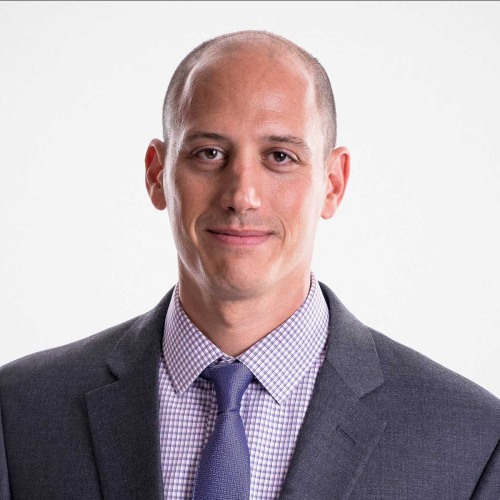
Keith Scarfo

Keith Scarfo

· Clinical Associate Professor of Neurosurgery

Brown University · Microbiology and Immunology

Active 2003–2025

h-index10
Citations457
Papers2213 last 5y
Funding
See your match with Keith Scarfo — sign in to PhdFit.Sign in

About

Keith Scarfo is a Clinical Associate Professor of Neurosurgery at Brown University. He holds a Doctor of Osteopathic Medicine degree from the Philadelphia College of Osteopathic Medicine, obtained in 2006. His educational background also includes a Master of Science from Thomas Jefferson University, earned in 2002, and a Bachelor of Science from Bucknell University, completed in 2000. Dr. Scarfo's professional role involves clinical practice and teaching within the field of neurosurgery, contributing to the academic and medical community at Brown University.

Research topics

  • Computer Science
  • Artificial Intelligence
  • Surgery
  • Medicine
  • Neuroscience
  • Physical therapy
  • Physical medicine and rehabilitation
  • Audiology
  • Anesthesia
  • Pathology
  • Cognitive psychology
  • Psychology

Selected publications

  • P054 DORSAL SPINAL CORD STIMULATION VS MEDICAL MANAGEMENT FOR THE TREATMENT OF LOW BACK PAIN (DISTINCT)- A HEALTHCARE COST ANALYSIS

    Neuromodulation Technology at the Neural Interface · 2025-01-01

    article
  • A Cost Effectiveness Analysis of Spinal Cord Stimulation versus Conventional Medical Management for the Treatment of Low Back Pain Using Data from DISTINCT RCT and Medical Claims from a U.S. Commercial Payer Database

    Journal of Pain Research · 2025-06-01

    articleOpen access

    Purpose: To compare the healthcare utilization (HCU) and costs for passive recharge burst Spinal Cord Stimulation (SCS) and conventional medical management (CMM) cohorts in patients with chronic low back pain (LBP) to a matched real-world cohort of similar indication. The null hypothesis is that SCS is equally or less cost-effective than CMM in treating LBP. Patients and Methods: DISTINCT is a prospective, multi-center, randomized study. Data was collected during in-clinic visits at baseline, one, three, and six months. The DISTINCT "completer cohort" included 79 DISTINCT SCS patients and 55 DISTINCT CMM patients who completed the six-month visit. An external real-world cohort (n = 71) with similar characteristics to DISTINCT CMM patients was identified from a claims database (Optum's de-identified Market Clarity Data). Accessed data included healthcare resource utilization (HCU), pain-related medication usage, pain scale, and quality of life. HCU data covered physical therapy, chiropractic therapy, massage therapy, occupational therapy, acupuncture, injection treatments, radiofrequency ablation procedures, and opioid and anticonvulsant usage. Results: The DISTINCT study demonstrated superior outcomes in pain relief, function, and other symptoms with SCS compared to CMM in the treatment of persistent (at least 6 months) low back pain. DISTINCT SCS patients utilized fewer healthcare resources and incurred lower costs than DISTINCT CMM patients. Real-world CMM patients exhibited higher utilization of certain therapies, suggesting potential pre-crossover bias. SCS resulted in significant cost savings and improved quality of life compared to CMM. Including device costs, cost-effectiveness could be achieved within 2.7 years based on DISTINCT data. The real-world CMM arm used more high-priced interventional therapies, suggesting a pre-crossover bias in the CMM cohort. Conclusion: This analysis supports the long-term benefits and cost-effectiveness of SCS in managing chronic LBP compared to CMM.

  • Surgical treatment of refractory low back pain using implanted BurstDR spinal cord stimulation (SCS) in a cohort of patients without options for corrective surgery: Findings and results from the DISTINCT study, a prospective randomized multi-center-controlled trial

    North American Spine Society Journal (NASSJ) · 2024-06-21 · 4 citations

    articleOpen access

    Background: Low back pain (LBP) is a highly prevalent, disabling condition affecting millions of people. Patients with an identifiable anatomic pain generator and resulting neuropathic lower extremity symptoms often undergo spine surgery, but many patients lack identifiable and/or surgically corrective pathology. Nonoperative treatment options often fail to provide sustained relief. Spinal cord stimulation (SCS) is sometimes used to treat these patients, but the lack of level 1 evidence limits its widespread use and insurance coverage. The DISTINCT RCT study evaluates the efficacy of passive recharge burst SCS compared to conventional medical treatment (CMM) in alleviating chronic, refractory axial low back pain. Methods: This prospective, multicenter, randomized, study with an optional 6-month crossover involved patients who were not candidates for lumbar spine surgery. The primary and secondary endpoints evaluated improvements in low back pain intensity (NRS), back pain-related disability (ODI), pain catastrophizing (PCS), and healthcare utilization. Patients were randomized to SCS therapy or CMM at 30 US study sites. Results: The SCS arm reported an 85.3% NRS responder rate (≥ 50% reduction) compared to 6.2% (5/81) in the CMM arm. After the 6M primary endpoint, SCS patients elected to remain on assigned therapy and 66.2% (49/74) of CMM patients chose to trial SCS (crossover). At the 12M follow-up, SCS and crossover patients reported 78.6% and 71.4% NRS responder rates. Secondary outcomes indicated significant improvements in ODI, PCS, and reduced healthcare utilization. Six serious adverse events were reported and resolved without sequelae. Conclusion: DISTINCT chronic low back pain patients with no indication for corrective surgery experienced a significant and sustained response to burst SCS therapy for up to 12 months. CMM patients who crossed over to the SCS arm reported profound improvements after 6 months. This data advocates for a timely consideration of SCS therapy in patients unresponsive to conservative therapy.

  • Comparing Conventional Medical Management to Spinal Cord Stimulation for the Treatment of Low Back Pain in a Cohort of DISTINCT RCT Patients

    Journal of Pain Research · 2024-08-01 · 3 citations

    articleOpen access

    Aim: Low Back Pain (LBP) is a prevalent condition. Spinal cord stimulation (SCS) has emerged as a more effective, long-term treatment compared to conventional medical management (CMM). The DISTINCT study enrolled and randomized chronic LBP patients with no indication of traditional spine surgery. This analysis focuses comparing study outcomes on patients initially randomized to receive CMM treatment and subsequently crossed over to SCS after 6 months. Purpose: To compare the therapeutic effectiveness and cost-efficiency of passive recharge burst SCS to CMM. Patients and Methods: A total of 269 patients were enrolled with 162 randomly assigned to SCS and 107 to CMM. The DISTINCT study design allowed a crossover to the alternative treatment arm after 6 months. Patients underwent a trial and received a permanent implant if they reported ≥50% pain reduction. Outcome analysis included pain (NRS), disability (ODI), catastrophizing (PCS), quality of life (PROMIS-29) and health care utilization. Results: Seventy out of eighty-one patients opted to cross over to trial SCS at 6M with 94% (66/70) undergoing a trial. Among those, 88% (58/66) reported a ≥50% or more pain relief and 55 received a permanent implant. At 12M visit, 71.4% reported a ≥50% pain improvement sustained at the 18M visit, with 24.5% (12/49) indicating a ≥80% improvement. Disability reductions (79% meeting the minimally important difference of a 13-point decrease), decreased catastrophizing, and significant improvements in all PROMIS-29 domains were noted. Furthermore, 42% of the patients reported decreased or discontinued opioid usage. Clinical benefits at the 12M visit were sustained through the 18M visit accompanied by a significant reduction in healthcare utilization and a $1214 cost savings. Conclusion: SCS demonstrates superior, long-term performance and safety outcomes compared to CMM therapy in LBP patients who received both CMM and SCS therapy. Additionally, SCS patients experienced reduced healthcare resource utilization and lower costs compared to those receiving CMM.

  • ID: 220996 Use of Remote Physiological Monitoring to Track Patient Well-Being During the SCS Trial

    Neuromodulation Technology at the Neural Interface · 2023-06-01 · 1 citations

    article
  • Treatment of Refractory Low Back Pain Using Passive Recharge Burst in Patients Without Options for Corrective Surgery: Findings and Results From the DISTINCT Study, a Prospective Randomized Multicenter Controlled Trial

    Neuromodulation Technology at the Neural Interface · 2023-08-28 · 35 citations

    articleOpen access

    OBJECTIVE: Spinal cord stimulation (SCS) is effective for relieving chronic intractable pain conditions. The Dorsal spInal cord STImulatioN vs mediCal management for the Treatment of low back pain study evaluates the effectiveness of SCS compared with conventional medical management (CMM) in the treatment of chronic low back pain in patients who had not undergone and were not candidates for lumbar spine surgery. METHODS AND MATERIALS: Patients were randomized to passive recharge burst therapy (n = 162) or CMM (n = 107). They reported severe pain and disability for more than a decade and had failed a multitude of therapies. Common diagnoses included degenerative disc disease, spondylosis, stenosis, and scoliosis-yet not to a degree amenable to surgery. The six-month primary end point compared responder rates, defined by a 50% reduction in pain. Hierarchical analyses of seven secondary end points were performed in the following order: composite responder rate (numerical rating scale [NRS] or Oswestry Disability Index [ODI]), NRS, ODI, Pain Catastrophizing Scale responder rate, Patient Global Impression of Change (PGIC) responder rate, and Patient-Reported Outcome Measure Information System-29 in pain interference and physical function. RESULTS: Intention-to-treat analysis showed a significant difference in pain responders on NRS between SCS (72.6%) and CMM (7.1%) arms (p < 0.0001). Of note, 85.2% of those who received six months of therapy responded on NRS compared with 6.2% of those with CMM (p < 0.0001). All secondary end points indicated the superiority of burst therapy over CMM. A composite measure on function or pain relief showed 91% of subjects with SCS improved, compared with 16% of subjects with CMM. A substantial improvement of 30 points was observed on ODI compared with a <one-point change in the CMM arm. Three serious and 14 non-serious device- or procedure-related events were reported. CONCLUSIONS: This study found substantial improvement at six months in back pain, back pain-related disability, pain-related emotional suffering, PGIC, pain interference, and physical function in a population with severe, debilitating back pain for more than a decade. These improvements were reported in conjunction with reduced opioid use, injection, and ablation therapy. CLINICAL TRIAL REGISTRATION: The Clinicaltrials.gov registration number for the study is NCT04479787.

  • 226. Surgical treatment of refractory low back pain using implanted BurstDR spinal cord stimulation (SCS) in a cohort of patients without options for corrective surgery: findings and results from the DISTINCT study, a prospective randomized multi-center controlled trial

    The Spine Journal · 2022-08-19 · 1 citations

    article
  • Latest Evidence-Based Application for Radiofrequency Neurotomy (LEARN): Best Practice Guidelines from the American Society of Pain and Neuroscience (ASPN)

    Journal of Pain Research · 2021 · 76 citations

    • Medicine
    • Surgery
    • Physical therapy

    Radiofrequency neurotomy (RFN), also known as radiofrequency ablation (RFA), is a common interventional procedure used to treat pain from an innervated structure. RFN has historically been used to treat chronic facet-joint mediated pain. The use of RFN has more recently expanded beyond facet-joint mediated pain to peripherally innervated targets. In addition, there has also been the emergence of different radiofrequency modalities, including pulsed and cooled RFN. The use of RFN has been particularly important where conservative and/or surgical measures have failed to provide pain relief. With the emergence of this therapeutic option and its novel applications, the American Society of Pain and Neuroscience (ASPN) identified the need for formal evidence-based guidance. The authors formed a multidisciplinary work group tasked to examine the latest evidence-based medicine for the various applications of RFN, including cervical, thoracic, lumbar spine; posterior sacroiliac joint pain; hip and knee joints; and occipital neuralgia. Best practice guidelines, evidence and consensus grading were provided for each anatomical target.

  • Pain phenotypes classified by machine learning using electroencephalography features

    NeuroImage · 2020 · 65 citations

    • Artificial Intelligence
    • Computer Science
    • Physical medicine and rehabilitation

    Pain is a multidimensional experience mediated by distributed neural networks in the brain. To study this phenomenon, EEGs were collected from 20 subjects with chronic lumbar radiculopathy, 20 age and gender matched healthy subjects, and 17 subjects with chronic lumbar pain scheduled to receive an implanted spinal cord stimulator. Analysis of power spectral density, coherence, and phase-amplitude coupling using conventional statistics showed that there were no significant differences between the radiculopathy and control groups after correcting for multiple comparisons. However, analysis of transient spectral events showed that there were differences between these two groups in terms of the number, power, and frequency-span of events in a low gamma band. Finally, we trained a binary support vector machine to classify radiculopathy versus healthy subjects, as well as a 3-way classifier for subjects in the 3 groups. Both classifiers performed significantly better than chance, indicating that EEG features contain relevant information pertaining to sensory states, and may be used to help distinguish between pain states when other clinical signs are inconclusive.

  • Opioid-Induced Hyperalgesia Syndrome in the Rehabilitation Patient

    2017-01-01

    book-chapterOpen access1st authorCorresponding

    Opioid-induced hyperalgesia is a paradoxical state where opioid usage results in increased pain, intolerance to noxious stimuli, worsening pain, or new pain patterns. Its implications are far reaching and may possibly affect anyone receiving opioid therapy. Although extensive research has been carried out over the past 40 years, medicine is just beginning to understand the pathophysiology involved. The work carried out by Vanderah and Mao has implicated neuroplastic changes in both the central and peripheral nervous systems in its etiology.

Frequent coauthors

  • Edward Braun

    14 shared
  • Timothy R. Deer

    The Spine & Nerve Centers of the Virginias

    10 shared
  • Susan M. Moeschler

    10 shared
  • Christopher Gilligan

    Brigham and Women's Hospital

    10 shared
  • Patrick Buchanan

    8 shared
  • James J. Yue

    8 shared
  • Ajay Antony

    8 shared
  • Robert Funk

    Indiana Spine Group

    8 shared

Education

  • B.S.

    Bucknell University

    2000
  • M.S.

    Thomas Jefferson University

    2002
  • Other

    Philadelphia College of Osteopathic Medicine

    2006
  • Resume-aware match score
  • Save to shortlist
  • AI-drafted outreach

See your match with Keith Scarfo

PhdFit ranks faculty by your research interests, methods, and publications — grounded in their actual work, not templates.

  • Free to start
  • No credit card
  • 30-second signup