
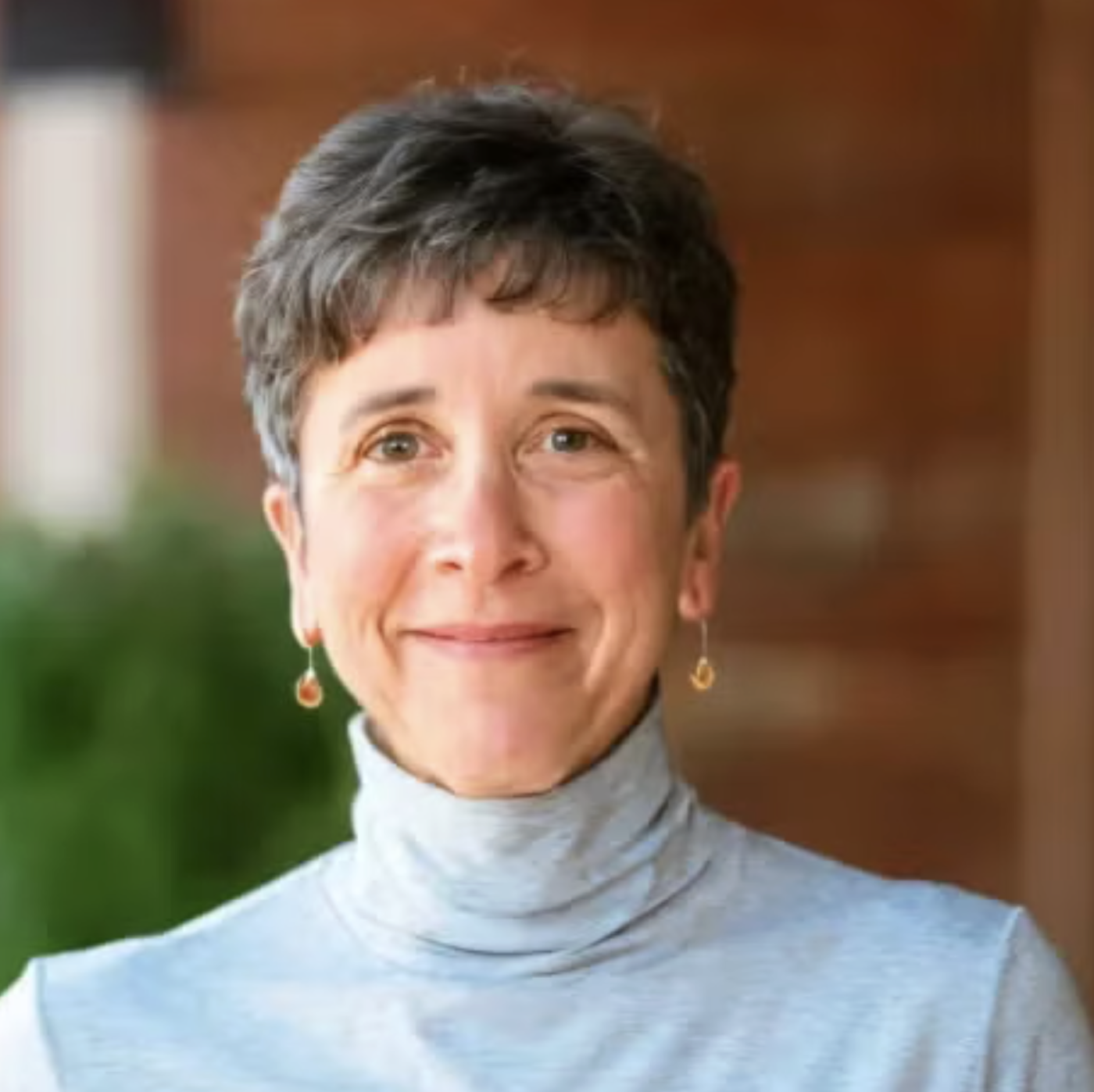
Karen Fingerman
· ProfessorUniversity of Texas at Austin · Human Development and Family Sciences
Active 1989–2026
Academic metrics are sourced from OpenAlex and public funding records; values may differ from Google Scholar.
About
Karen Fingerman is the Sonia Wilson Professor of Human Development & Family Sciences at the University of Texas at Austin. She is the Director of the Texas Aging and Longevity Consortium and the Research Director of the NIA-funded Center on Aging and Population Sciences. Her research focuses on socioemotional development across adulthood, examining social and emotional aspects of aging, and assessments in daily life. She has conducted extensive research on parents and children, in-law ties, romantic partners, grandparents and grandchildren, friends, and peripheral social ties. Dr. Fingerman has contributed significantly to understanding social relationships and emotional well-being in later life, utilizing ecologically valid methodologies such as EMA surveys, tactical measurements of physical activity, and Electronically Activated Recorders. Her work has been funded by the National Institute on Aging, the Brookdale Foundation, the MacArthur Foundation, and others. She has published nearly 200 papers and chapters, and her research includes studies on caregivers for older adults with Lewy Body Dementia, young adults providing care to aging relatives, and the impact of technology on social connection in late life. She has received numerous awards for her research and mentorship, including the Baltes Award for Distinguished Research Achievement in Psychology and Aging from the American Psychological Association in 2022.
Research topics
- Medicine
- Psychology
- Political Science
- Social psychology
- Gerontology
- Social Science
- Virology
- Sociology
- Psychiatry
- Computer Science
Selected publications
Journal of Aging & Social Policy · 2020 · 345 citations
Older adults are in triple jeopardy during COVID-19: compared with younger people, older adults are (1) more likely to develop serious conditions and experience higher mortality; (2) less likely to obtain high quality information or services online; and (3) more likely to experience social isolation and loneliness. Hybrid solutions, coupling online and offline strategies, are invaluable in ensuring the inclusion of vulnerable populations. Most of these solutions require no new inventions. Findin…
The Gerontologist · 2020 · 236 citations
BACKGROUND AND OBJECTIVES: Experiences of the coronavirus disease 2019 (COVID-19) pandemic and its implications for psychological well-being may vary widely across the adult life span. The present study examined age differences in pandemic-related stress and social ties, and links with psychological well-being. RESEARCH DESIGN AND METHODS: Participants included 645 adults (43% women) aged 18-97 (M = 50.8; SD = 17.7) from the May 2020 nationally representative Survey of Consumers. Participants re…
Living Alone During COVID-19: Social Contact and Emotional Well-being Among Older Adults
The Journals of Gerontology Series B · 2020 · 166 citations
1st authorCorrespondingOBJECTIVE: The COVID-19 outbreak and associated physical distancing measures altered the social world for most older adults, but people who live alone may have been disproportionately affected. The current study examined how living alone was associated with daily social contact and emotional well-being among older adults during the pandemic. METHOD: Adults (N = 226) aged 69+ completed a brief survey assessing their living situation, social contact with different social partners (in person, by ph…
The Gerontologist · 2025-01-09 · 7 citations
reviewBACKGROUND AND OBJECTIVES: This review summarizes research projects supported by the National Institute on Aging (NIA) that have contributed scholarship on intergenerational relationships and support provided to older adults that frequently precedes, and is often complementary to, intensive caregiving. RESEARCH DESIGN AND METHODS: We review NIA-supported projects that have almost exclusively focused on intergenerational relationships and involved primary data collections, and others making use o…
Young Adult Caregivers for Older Family Members: Setting a New Research Agenda
Innovation in Aging · 2024-12-26 · 5 citations
reviewOpen access1st authorCorrespondingYoung adults (approximately aged 18 to 29) are frequently involved in caring for older relatives, potentially filling gaps and playing key roles in the network of caregivers. The time is ripe to synthesize the emerging literature on this topic and propose an agenda for future research. This article identifies key questions for research that will propel the field forward, including: (a) why young adult caregiving warrants distinct consideration from caregiving in midlife or later life, (b) young…
Recent grants
NIH · $67k · 1999
NIH · $1.3M · 2006
Communication and Dissemination Core
NIH · $7.4M · 2020–2027
Frequent coauthors
- 196 shared
Bob G. Knight
University of Southern Queensland
- 190 shared
Zachary Gassoumis
University of Southern California
- 186 shared
Judy Howe
National Institute on Aging
- 184 shared
Robert Hudson
- 181 shared
Brian Carpenter
Washington University in St. Louis
- 180 shared
Amy Fiske
West Virginia University
- 160 shared
Rachel Pruchno
Rowan University
- 158 shared
Stephen B. Kritchevsky
Wake Forest University
Awards & honors
- Baltes Award for Distinguished Research Achievement in Psych…
- BSS Distinguished Mentorship in Gerontology Award from the G…
- CNS Teaching Excellence Award (2020)
- Faculty Teaching Award from the Diversity and Inclusion comm…
Similar researchers at University of Texas at Austin
- Resume-aware match score
- Save to shortlist
- AI-drafted outreach
See your match with Karen Fingerman
PhdFit ranks faculty by your research interests, methods, and publications — grounded in their actual work, not templates.
- Free to start
- No credit card
- 30-second signup