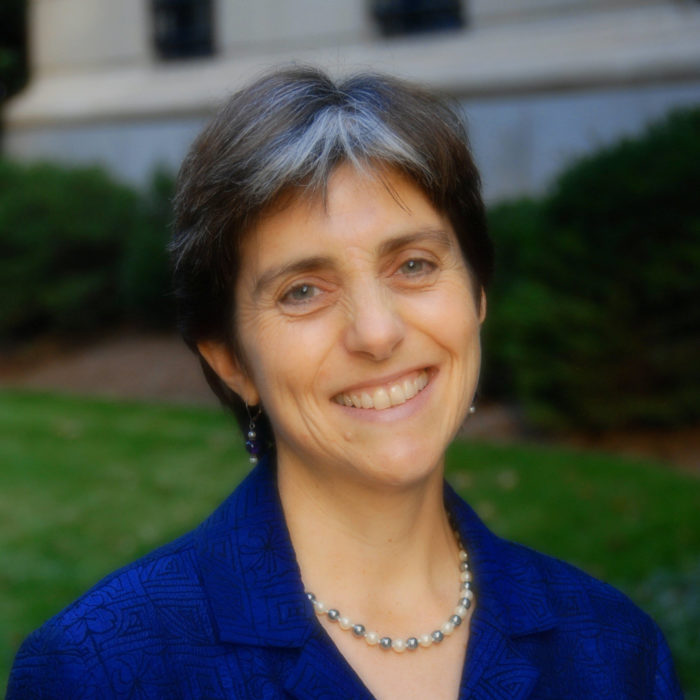
Jeffrey Kahn
· Andreas C. Dracopoulos Director; Robert Henry Levi and Ryda Hecht Levi Professor of Bioethics and Public PolicyVerifiedJohns Hopkins University · Ophthalmology
Active 1949–2026
About
Jeffrey Kahn, PhD, MPH, is the Andreas C. Dracopoulos Director of the Johns Hopkins Berman Institute of Bioethics, a position he assumed in July 2016 and was re-appointed to for a second five-year term in 2023. He has been the Robert Henry Levi and Ryda Hecht Levi Professor of Bioethics and Public Policy since 2011. He is also a Professor in the Department of Health Policy and Management at the Johns Hopkins Bloomberg School of Public Health. His work spans a variety of areas in bioethics, exploring the intersection of ethics and health/science policy, including human and animal research ethics, public health, and ethical issues in emerging biomedical technologies. Kahn has served on numerous advisory panels at the state and federal levels, including chairing the National Academies of Sciences, Engineering, and Medicine’s Board on Health Sciences Policy and committees on the use of chimpanzees in research, ethics principles for spaceflights, and mitochondrial replacement techniques. He is an elected member of the National Academy of Medicine and a Fellow of The Hastings Center. His research interests include the ethics of health and science policy, research ethics, public health, and emerging biomedical technologies. Kahn has published extensively, authored over 125 scholarly articles, and is a recognized speaker on bioethics topics worldwide.
Research topics
- Computer Science
- Medicine
- Biology
- Political Science
- Engineering ethics
- Public relations
- Dermatology
- Business
- Nursing
- Psychology
- Pathology
- Economic growth
- Virology
- Internal medicine
- Computational biology
- Biotechnology
- Computer graphics (images)
- Genetics
- Economics
- Geography
- Cognitive science
- Programming language
- Cell biology
Selected publications
Gastrointestinal Endoscopy · 2026-05-01
articleGastroenterology · 2026-05-01
articleA Tribute to Tom L. Beauchamp (1939–2025)
The American Journal of Bioethics · 2025-07-28
editorialSenior authorPrivacy, Policy, and Profits: Survey of Patient Preferences for Research on De-Identified Biosamples
Journal of Empirical Research on Human Research Ethics · 2025-06-12
articleThis study aims to identify patient preferences to inform ethical frameworks, policies, and technologies for advancing biobanking and precision medicine while balancing competing objectives and priorities. We surveyed 109 American breast cancer patients in 2022 about conditions for receiving research results, how their biospecimens are used, partnerships between nonprofit health systems and for-profit companies, and the distribution of financial returns from research. Survey questions explored the balance between objectives like maintaining de-identification versus receiving research results and other benefits. Patients in our sample generally prefer to be re-identified to receive information about the use of their donated tissue-especially research results. They support public-private partnerships if they speed up new therapies and favor the idea of sharing in financial returns generated from research on their tissue. These insights can inform the development of frameworks and technologies that position patients as key stakeholders in biobanking research.
Checks and Imbalances: A Discussion on the Separation of Powers
2025-10-03
article1st authorCorrespondingThis annual Indiana Law Review Symposium will consider the balance of powers between the executive, legislative, and judicial branches, discussing the powers and limits of each branch and the implications for our system when one branch infringes on the other.
S5822 Gut Feeling: Acute Colitis Unmasks a Silent Portosystemic Shunt
The American Journal of Gastroenterology · 2025-10-01
articleSenior authorIntroduction: Portosystemic shunts (PSS) are abnormal vascular connections between the portal and systemic circulations that divert blood away from hepatic metabolism. These shunts may be congenital, acquired from portal hypertension, or iatrogenic. We present a rare case of a patient with a congenital intrahepatic PSS between the right portal and hepatic veins who developed severe portosystemic encephalopathy, likely triggered by acute colitis. Case Description/Methods: A 63-year-old woman with a history of diabetes, hepatic steatosis, and subclinical hypothyroidism presented with sudden-onset confusion and black stools. Her family reported a brief episode of emesis followed by progressive disorientation. Upon arrival, she passed approximately 200 cc of melena, developed worsening encephalopathy, and required intubation for airway protection. Laboratory evaluation revealed a serum ammonia of 226 µmol/L, normal liver chemistries, platelets of 250 K/μL, and no coagulopathy. Cross-sectional CT demonstrated acute sigmoid diverticulitis with adjacent phlegmon and a large congenital portosystemic shunt between the right portal and hepatic veins. Five abnormal portovenous connections were seen across both hepatic lobes, consistent with a type 4 congenital shunt. EGD revealed mild gastric oozing but no varices or other stigmata of portal hypertension-related bleeding. The patient was managed with lactulose and rifaximin via nasogastric tube, resulting in rapid ammonia level normalization by hospital day 3. Her mental status fully recovered by day 5 and she was discharged home in stable condition later that week. She is currently undergoing evaluation for potential shunt closure. Discussion: PSS can be asymptomatic or present with encephalopathy or liver dysfunction, depending on anatomy and shunt ratio. Unlike cirrhosis, PSS typically leads to portosystemic encephalopathy without portal hypertension. This case illustrates how acute colitis can unmask a silent shunt by abruptly increasing splanchnic flow and ammonia load beyond hepatic clearance. While shunt anatomy determines baseline risk, transient inflammation can precipitate encephalopathy even with normal liver function. Initial management targets reversible triggers and ammonia reduction. However, patients with recurrent or refractory symptoms may require shunt closure via embolization or surgery to restore hepatopetal flow and reduce hyperammonemia. Early recognition and treatment can lead to full recovery and may obviate the need for intervention.
Bright‐Line Policy and the Future of the Fourteen‐Day Rule
The Hastings Center Report · 2025-09-01
articleOpen accessSenior authorAs global science leaders revisit the fourteen-day rule for human embryo research, this commentary explores why its clarity, stability, and the public trust it has fostered have made it a notable success in science policy-and why any change must be approached with care.
The strange case of the superfluous sentence
2025-09-25
article1st authorCorrespondingSome sentences reproach without a single accusatory word. “The captain was sober today” impugns by implication. The officer who logs this superfluous statement damns the captain further with the surrounding entries that omit it. Here’s another: “The denial of the application is not a ruling on the merits of the legal issues presented in the litigation.” That’s a new one for us, though collectively we’ve been studying and teaching about the U.S. Supreme Court for 40 years.
JMIR Bioinformatics and Biotechnology · 2025-03-04 · 6 citations
articleOpen accessBACKGROUND: Biobank privacy policies strip patient identifiers from donated specimens, undermining transparency, utility, and value for patients, scientists, and society. We are advancing decentralized biobanking apps that reconnect patients with biospecimens and facilitate engagement through a privacy-preserving nonfungible token (NFT) digital twin framework. The decentralized biobanking platform was first piloted for breast cancer biobank members. OBJECTIVE: This study aimed to demonstrate the technical feasibility of (1) patient-friendly biobanking apps, (2) integration with institutional biobanks, and (3) establishing the foundation of an NFT digital twin framework for decentralized biobanking. METHODS: We designed, developed, and deployed a decentralized biobanking mobile app for a feasibility pilot from 2021 to 2023 in the setting of a breast cancer biobank at a National Cancer Institute comprehensive cancer center. The Flutter app was integrated with the biobank's laboratory information management systems via an institutional review board-approved mechanism leveraging authorized, secure devices and anonymous ID codes and complemented with a nontransferable ERC-721 NFT representing the soul-bound connection between an individual and their specimens. Biowallet NFTs were held within a custodial wallet, whereas the user experiences simulated token-gated access to personalized feedback about collection and use of individual and collective deidentified specimens. Quantified app user journeys and NFT deployment data demonstrate technical feasibility complemented with design workshop feedback. RESULTS: The decentralized biobanking app incorporated key features: "biobank" (learn about biobanking), "biowallet" (track personal biospecimens), "labs" (follow research), and "profile" (share data and preferences). In total, 405 pilot participants downloaded the app, including 361 (89.1%) biobank members. A total of 4 central user journeys were captured. First, all app users were oriented to the ≥60,000-biospecimen collection, and 37.8% (153/405) completed research profiles, collectively enhancing annotations for 760 unused specimens. NFTs were minted for 94.6% (140/148) of app users with specimens at an average cost of US $4.51 (SD US $2.54; range US $1.84-$11.23) per token, projected to US $17,769.40 (SD US $159.52; range US $7265.62-$44,229.27) for the biobank population. In total, 89.3% (125/140) of the users successfully claimed NFTs during the pilot, thereby tracking 1812 personal specimens, including 202 (11.2%) distributed under 42 unique research protocols. Participants embraced the opportunity for direct feedback, community engagement, and potential health benefits, although user onboarding requires further refinement. CONCLUSIONS: Decentralized biobanking apps demonstrate technical feasibility for empowering patients to track donated biospecimens via integration with institutional biobank infrastructure. Our pilot reveals potential to accelerate biomedical research through patient engagement; however, further development is needed to optimize the accessibility, efficiency, and scalability of platform design and blockchain elements, as well as a robust incentive and governance structure for decentralized biobanking.
Governing with public engagement: an anticipatory approach to human genome editing
Science and Public Policy · 2024 · 9 citations
- Political Science
- Computational biology
- Biology
In response to calls for public engagement on human genome editing (HGE), which intensified after the 2018 He Jiankui scandal that resulted in the implantation of genetically modified embryos, we detail an anticipatory approach to the governance of HGE. By soliciting multidisciplinary experts' input on the drivers and uncertainties of HGE development, we developed a set of plausible future scenarios to ascertain publics values-specifically, their hopes and concerns regarding the novel technology and its applications. In turn, we gathered a subset of multidisciplinary experts to propose governance recommendations for HGE that incorporate identified publics' values. These recommendations include: (1) continued participatory public engagement; (2) international harmonization and transparency of multiple governance levers such as professional and scientific societies, funders, and regulators; and (3) development of a formal whistleblower framework.
Recent grants
NIH · $826k · 2016
NIH · $442k · 2004
Beyond Boundaries: ELSI and the Complex Relationships between Infectious and Genetic Diseases
NIH · $4.8M · 2016–2022
Frequent coauthors
- 150 shared
Jeremy Sugarman
- 101 shared
Dennis L. Confer
National Marrow Donor Program
- 100 shared
Jeffrey McCullough
- 100 shared
Paolo Anderlini
- 100 shared
David Stroncek
National Institutes of Health
- 100 shared
Ellen Lazarus
Center for Biologics Evaluation and Research
- 100 shared
Derwood Pamphilon
- 100 shared
Mary Eapen
Awards & honors
- Elected Member of the National Academy of Medicine
- Fellow of The Hastings Center
- Founding President of the Association of Bioethics Program D…
- Resume-aware match score
- Save to shortlist
- AI-drafted outreach
See your match with Jeffrey Kahn
PhdFit ranks faculty by your research interests, methods, and publications — grounded in their actual work, not templates.
- Free to start
- No credit card
- 30-second signup