Resume-aware faculty matching

Find professors who actually fit you

Upload your resume. Four AI agents analyze your background, rank the faculty who fit, inspect their recent research, and help you draft outreach — grounded in their actual work, not templates.

Free to startNo credit cardCancel anytime
Top matches Balanced preset
Dr. Sarah Chen
Stanford · Interpretability · NLP
91
Dr. Marcus Holloway
MIT · Robotics · RL
84
Dr. Aisha Okonkwo
CMU · Fairness · HCI
82
Nova · Professor Researcher · re-ranking top 20…
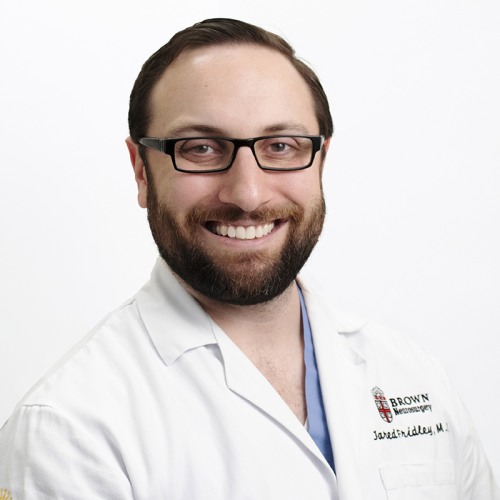
Jared Fridley

Jared Fridley

· Associate Professor of NeurosurgeryVerified

Brown University · Microbiology and Immunology

Active 2005–2026

h-index31
Citations3.4k
Papers289169 last 5y
Funding
See your match with Jared Fridley — sign in to PhdFit.Sign in

About

Jared Fridley is an Associate Professor of Neurosurgery at Brown University. He holds a Medical Degree from Baylor College of Medicine, earned in 2009, and a Bachelor of Arts from the University of Texas at Austin, earned in 2004. His professional focus is within the field of neurosurgery, and he is affiliated with Brown University's Neurosurgery department. The information provided highlights his educational background and current academic position, but does not include specific details about his research focus or key contributions.

Research topics

  • Medicine
  • Surgery
  • Internal medicine
  • Radiology
  • Environmental health
  • Physical therapy
  • Emergency medicine
  • Medical physics
  • Pathology

Selected publications

  • The 5-Item Modified Frailty Index Aids in Predicting Risk of In-Hospital Complications Following Spine Trauma: A United States Nationwide Cohort Analysis of 356,583 Patients

    Neurotrauma Reports · 2026-01-01

    articleOpen accessSenior author

    Frailty has emerged as an important predictor of postoperative complications across surgical fields, but its role in traumatic spinal fractures remains underexplored. This study evaluated the relationship between frailty, measured with the 5-item Modified Frailty Index (mFI), and in-hospital complications in a national cohort of patients with spinal fracture. A retrospective cohort study was conducted using the National Trauma Databank from 2017 to 2021, identifying adult patients with spinal fractures. Patients were classified as nonfrail (NF, mFI = 0), mildly frail (MF, mFI = 0.2), and severely frail (SF, mFI ≥ 0.4) according to the 5-item mFI. Multivariable logistic regression analysis was performed to assess the association between frailty and complications during the primary hospitalization for spinal trauma while adjusting for key covariates, including Glasgow Coma Scale (GCS), Injury Severity Score (ISS), spine region, spinal cord injury, concomitant head injury, surgical intervention, and hospital characteristics. The final cohort included 356,583 patients. 53.0% were classified as NF, 25.5% as MF, and 21.5% as SF. SF patients had higher odds of developing complications compared with NF patients (OR = 1.86, 95% CI: 1.77–1.96, p < 0.001). Complications such as cardiac events (1.3%), thromboembolism (1.1%), and pressure ulcers (0.6%) were more prevalent in frail patients. Lower GCS scores (GCS 3–8: OR = 3.19, 95% CI: 3.03–3.36, p < 0.001) and higher ISS scores (ISS 16–24: OR = 5.27, 95% CI: 5.02–5.53, p < 0.001) were associated with increased complication risk. Additionally, surgical intervention (OR = 2.84, 95% CI: 2.73–2.94, p < 0.001), the presence of spinal cord injury (OR = 2.73, 95% CI: 2.60–2.87, p < 0.001), and head injury (OR = 1.57, 95% CI: 1.52–1.63, p < 0.001) increased the likelihood of complications. Alongside the GCS and ISS, the 5-item mFI is an effective tool for identifying patients who may be at increased risk of in-hospital complications following traumatic spinal fractures. These findings highlight the importance of frailty assessment in spine trauma management and optimized patient care.

  • National Trends in Time to Surgery for Traumatic Spinal Cord Injury in the United States: An Analysis of the National Trauma Data Bank

    Journal of Neurotrauma · 2026-01-13

    articleSenior authorCorresponding

    The current guidelines recommend that patients with spinal cord injury (SCI) undergo rapid decompressive surgery, ideally within 24 h, to reduce cord ischemia and improve outcomes. National trends in treatment times in the United States, and the factors limiting the timely surgical management of SCI, remain incompletely understood. A retrospective review of the National Trauma Data Bank (NTDB) from 2017 to 2021, which encompasses the years following the publication of the Arbeitsgemeinschaft für Osteosynthesefragen Spine guidelines suggesting early surgery, was performed. The included patients had sustained SCI requiring surgical management, were aged >18 years, were treated at a level I or II trauma center, and had no major trauma-related cranial, abdominal, or thoracic surgery prior to spine surgery. Mixed-effects models were used to identify the key factors at the patient and facility levels associated with time to surgery. The final cohort included 19,513 patients, of which 3,894 (19.9%) underwent surgery within 8 h and 10,634 (54.5%) underwent surgery within 24 h. The average time to surgery for patients admitted in 2018–2019 did not differ from 2017, whereas patients admitted in 2020 (−4.58 h, 95% confidence interval [CI] [−6.09, −3.07], p < 0.001) and 2021 (−2.17 h, 95% CI [−3.65, −0.68], p = 0.004) had significantly shorter times to surgery. Older patients experienced delays of 0.25 h per year of age (95% CI [0.22, 0.27], p < 0.001). Medicare status delayed surgery by 5.81 h (95% CI [4.81, 6.81], p < 0.001). When compared with patients arriving by helicopter ambulance, patients who self-transported (11.57 h, 95% CI [9.26, 13.90], p < 0.001) or were transported by ground ambulance (5.93 h, 95% CI [4.90, 6.96], p < 0.001) experienced significant delays. Pre-frail (5.88 h, 95% CI [5.02, 6.74], p < 0.001) or frail (10.15 h, 95% CI [8.62, 11.68], p < 0.001) patients by the 11-item modified frailty index had increased time to surgery. Patients with cervical injuries had significantly longer times to surgery compared with those with cervicothoracic (−3.42 h, 95% CI [−5.56, −1.28], p = 0.002) or thoracic injuries (−6.29 h, 95% CI [−7.54, −5.05], p < 0.001). Treatment at teaching hospitals (−1.18 h, 95% CI [−2.18, −0.37], p = 0.001) and level I trauma centers (1.41 h, 95% CI [−2.50, −0.53], p = 0.003) reduced the time to surgery in comparison with non-teaching and level II trauma hospitals. In summary, older age, pre-existing frailty, cervical injury, Medicare insurance status, and transportation by ground ambulance or self-transportation are associated with prolonged time to surgery, while treatment at teaching hospitals and level I trauma centers is linked to more rapid intervention. These results suggest that rapid emergency medical systems transport and management at high-resource trauma centers may minimize surgical delays. Despite improvements in later years, nearly half of patients did not meet 24-h operative standards, and only one in five met 8-h targets, underscoring persistent variability in practice patterns and opportunities to better align care with the established guidelines.

  • Perilesional neuromodulation replaces lost sensorimotor function in persons with spinal cord injury

    Nature Biomedical Engineering · 2026-03-11

    article
  • Multilevel Lateral Lumbar Interbody Fusion for Symptomatic Spondylotic Stenosis and Severe Disc Degeneration Without Scoliosis: Single-Institutional Case Series and Lessons Learned

    The International Journal of Spine Surgery · 2026-03-31

    articleOpen accessSenior author

    <sec><title>Background</title> Posterior decompression for degenerative lumbar spinal stenosis (DLSS) carries approach-related morbidity. In this study, we hypothesized that multilevel lateral lumbar interbody fusion (LLIF) achieves effective indirect decompression with acceptable safety and patient-reported improvement among DLSS patients without scoliosis. </sec><sec><title>Methods</title> This was a single-institution retrospective case series (2016–2022) of adults with symptomatic spondylotic stenosis and severe disc degeneration without scoliosis (Cobb angle <10°) undergoing multilevel (≥2) LLIF. Patients with concurrent posterior decompression or deformity correction were excluded. Primary outcomes were radiographic decompression (central canal diameter and bilateral foraminal height), patient-reported pain and disability (visual analog scale and Oswestry Disability Index), and complications. Secondary measures included spinopelvic parameters and fusion by the Brantigan-Steffee-Fraser scale. Imaging was assessed on pre- and postoperative magnetic resonance imaging. Tests of significance included 1-sided paired <italic>t</italic> tests for parametric variables and Wilcoxon signed-rank tests otherwise. </sec><sec><title>Results</title> Twenty-five patients (mean age 65.8 years; 56% men; mean body mass index 31.2 ± 5.4) underwent 57 LLIF levels with a mean follow-up of 41.3 ± 31.6 months. Central canal diameter increased by 31% (2.2 mm absolute), and foraminal height increased 17% to 39% (2.5–13.1 mm). Lumbar lordosis improved from 39.6° to 44.8°, with PI–LL mismatch improving by 5.4°. Early fusion status (BSF-3) at the last radiological assessment (mean 7.2 months) was 91.3% (21/23 evaluated). Visual analog scale score improved from 7.1 ± 2.0 to 3.0 ± 2.4 (Δ−4.1; <italic>n</italic> = 20), and Oswestry Disability Index score improved from 65.9 ± 12.9 to 47.5 ± 19.8 (Δ−18.4; <italic>n</italic> = 17). Overall complication rate was 40% with no major events; postoperative neurological complications included transient proximal lower-extremity weakness in 4% and persistent sensory symptoms in 12%. </sec><sec><title>Conclusions</title> In carefully selected DLSS patients without scoliosis, multilevel LLIF achieved meaningful indirect decompression, substantial pain and disability improvement, and high early fusion rates with no major complications. The findings support LLIF as a viable alternative to posterior approaches. </sec><sec><title>Clinical Relevance</title> Multilevel LLIF can facilitate multilevel indirect decompression with favorable radiographic and clinical outcomes while avoiding posterior soft-tissue disruption. Routine posterior instrumentation at the index surgery may support fusion and reduce returns to the OR. </sec><sec><title>Level of Evidence</title> 4. </sec>

  • Metastatic Spinal Tumor Frailty Index and New England Spinal Metastasis Score Show the Most Consistent Performance for Short-Term Postoperative Outcomes: Single-Center Validation in 114 Patients

    North American Spine Society Journal (NASSJ) · 2026-04-01

    articleOpen access
  • 1075 Comparison of Pain and Functional Outcomes Among Geriatric and Non-Geriatric Adults Following Full Endoscopic Spine Surgery for Degenerative Lumbar Pathology: Analysis of a Multi-Center Prospective Cohort

    Neurosurgery · 2025-03-14

    article

    INTRODUCTION: Degenerative spinal conditions requiring surgical intervention are increasing due to an aging global population. Compared to traditional open surgery, full endoscopic spine surgery (FESS) champions a rapid recovery. However, its efficacy in elderly patients that might yield additional benefits from minimized invasiveness remains underexplored. METHODS: A multi-institutional prospective observational cohort study was conducted involving patients undergoing elective lumbar FESS. Participants were categorized into non-geriatric (18-69 years old) and geriatric (=70 years old) groups. Studied variables included demographics, medical comorbidities, operative details, visual analog scale (VAS) for back and ipsilateral leg pain, and Oswestry Disability Index (ODI). A mobile application was leveraged to collect real-time data preoperatively and postoperatively. RESULTS: 164 patients were included and divided into non-geriatric (N=125) and geriatric (N=39) cohorts. No group differences were observed between sex (p=0.404), BMI (p=0.372), procedure duration (p=0.350), or blood loss (p=0.384). Non-geriatric patients received discectomy more frequently (p&lt;0.001), while older patients underwent more decompressive procedures (p&lt;0.001). Characterization of pain and functional outcome revealed that non-geriatric and geriatric patients follow a similar recovery trajectory and both appreciate significant improvements from baseline to three months postoperatively (p&lt;0.001 for VAS back, VAS leg, ODI). There were no differences in rate of improvement between age groups at any time point (p&gt;0.05 for VAS back, VAS leg, ODI). Lastly, 78% and 82% of non-geriatric and geriatric patients, respectively, had perceived their surgical outcome as ‘good’ at three months, with the remaining deeming it as ‘poor’ (p=0.623). CONCLUSIONS: FESS significantly improves pain and function in both geriatric and non-geriatric adults with degenerative lumbar conditions, with no difference in the degree of improvement between groups. These findings underscore the efficacy of FESS as a minimally invasive surgical option for elderly patients.

  • Participant Perspectives on an Invasive Spinal Neuromodulation Study for Functional Sensorimotor and Autonomic Restoration in Chronic Thoracic Spinal Cord Injury: A Qualitative Case Series

    Topics in Spinal Cord Injury Rehabilitation · 2025-01-01

    article

    Background: Emerging neuromodulation approaches, including epidural electrical stimulation (EES), offer hope for restoration of function following chronic spinal cord injury (SCI). However, integrating neuromodulation therapies into clinical procedures is challenging due to the unique needs of the SCI population. Objectives: The purpose of this study was to understand the experiences of participants during a first-in-human trial of perilesional EES aimed at restoring sensorimotor function. Methods: We report participants' experiences by describing their clinical care, experiences during experimental neuromodulation sessions, and perspectives on the utility of a perilesional EES system. Three participants with chronic thoracic SCI participated in semistructured interviews after completing a 14-day inpatient experimental protocol, which included stimulation mapping, lower extremity motor control experiments, and treadmill stepping. Interview data were analyzed using an applied thematic analysis approach. Nine key themes addressed 4 major topic areas: clinical experiences, experiences during laboratory experiments, experiences as a research participant, and perceived value of perilesional EES. Results: All participants noted the potential for EES to enhance functional recovery, though their postoperative experiences related to clinical care, postoperative pain, and disruptions to routine care differed. Insights gained from qualitative analyses highlighted challenges and opportunities for improving postsurgical care and refining application of EES technology. Further, these results inform recommendations for neuromodulation trials in the SCI community to help mitigate postoperative complications and improve study participant experiences. Conclusion: Key recommendations include being proactive regarding potential postsurgical complications, educating clinical staff regarding common SCI comorbidities, and customizing experimental protocols to align with the priorities and clinical needs of each participant.

  • Spinal Cord Stimulation for Functional Restoration in Patients with Chronic Spinal Cord Injury: A Review

    Current Physical Medicine and Rehabilitation Reports · 2025-11-29

    articleSenior author
  • Weather patterns forecast the severity of cervical spinal cord injuries

    Scientific Reports · 2025-07-01

    articleOpen accessSenior author

    To determine if regional weather patterns could predict the severity of cervical spinal cord injuries (CSCI) across the United States. Non-elective CSCI patients from 2015 to 2020 were identified in the National Inpatient Sample. Linear mixed-effects models explored associations between CSCI features and weather patterns, with random effects for hospitals. Granger causality tests were performed for each region to assess if weather could predict complete CSCI. Cross-correlation analyses examined temporal trends. Logistic mixed-effects models evaluated correlations between CSCI severity and seasonal or transitional temperature months. Average regional temperature (p = 0.016) and precipitation (p = 0.038) were positively correlated with complete CSCI admissions. Granger causality tests showed that average regional temperature (p = 0.046) and precipitation (p = 0.039) could predict complete CSCI in the Midwest but not in other regions. There was no seasonal association with complete CSCI, but acute temperature drops in the West were significantly correlated with increased complete CSCI (OR 2.98, 95% CI 1.36-4.61, p < 0.01). Weather trends, including regional temperature, precipitation, and acute temperature transitions, may predict CSCI severity in certain regions. These findings suggest weather trends could inform resource allocation for spinal cord injuries, thereby enhancing patient outcomes and optimizing healthcare resource management.

  • Weekend admission for cervical spinal cord injury associated with shorter length of stay at private non-profit centers

    Clinical Neurology and Neurosurgery · 2025-04-06

    articleOpen accessSenior author

    OBJECTIVE: We assessed if weekend versus weekday admission for cervical spinal cord injury (CSCI) influenced medical comorbidities, length of stay, and mortality while also exploring the role of hospital-specific factors. METHODS: The National Inpatient Sample (2015-2020) was queried for patients with CSCI. Propensity score matching (PSM) controlled for age, gender, hospital region, and illness severity, matching weekend admissions in a 1:1 ratio with weekday admissions. Parametric statistical tests then compared clinical and hospital-specific factors. RESULTS: 5036 patients were analyzed (mean age 56, 24 % female). Weekend admissions showed no increase in mortality (p = 0.305) despite a higher likelihood of shock (p = 0.0154), cervical fractures (p = 0.0408), and ventilatory support requirements (p < 0.001). Patients with spinal fractures had higher mortality than those with non-spinal fractures (p < 0.001). After stratification by weekend status, hospital ownership/control and hospital location/teaching status were significantly correlated with length of stay (p < 0.001, p = 0.0276, respectively). Private non-profit hospitals showed a shorter length of stay for weekend admissions (p = 0.00573), though fewer were discharged directly home (p = 0.0314). There was a weak association between payer type and disposition (Cramér's V = 0.146, p < 0.001). CONCLUSION: This national retrospective study revealed no difference in overall mortality rates between weekend and weekday admissions for patients presenting with CSCI. In patients with associated fractures, spinal fractures showed higher mortality rates than non-spinal fractures. Decreased length of stay was associated with weekend admissions to private non-profit centers, with no difference in mortality rates in this cohort.

Frequent coauthors

Education

  • M.D.

    Baylor College of Medicine

    2009
  • B.A.

    University of Texas at Austin

    2004
  • Resume-aware match score
  • Save to shortlist
  • AI-drafted outreach

See your match with Jared Fridley

PhdFit ranks faculty by your research interests, methods, and publications — grounded in their actual work, not templates.

  • Free to start
  • No credit card
  • 30-second signup