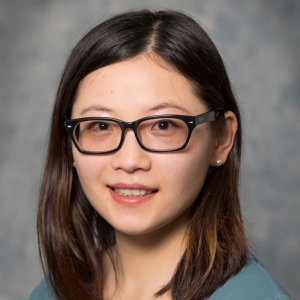
Hanzhang Xu
· Ph.D., RNDuke University · Nursing
Active 2008–2024
About
Professor Hanzhang Xu is a geriatric nurse scientist and health services researcher at Duke University School of Nursing. Her research focuses on disparities in dementia care and cardiovascular health among older adults, with an emphasis on promoting health equity on a global level. Xu's work addresses the higher risk of disease and limited access to care among racial and ethnic minority groups, including non-Hispanic Black and Hispanic populations, and aims to develop patient-centered, evidence-based interventions to reduce these inequities. Her background includes studying older adults and their caregivers in Asia, with research on migration, chronic disease management, and cognitive aging. Since joining Duke University, she has expanded her focus to U.S. population disparities, actively involving diverse communities in research to share findings and improve health outcomes. Xu is a senior fellow at Duke’s Center for the Study of Aging and Human Development and a faculty affiliate at the Duke Global Health Institute. She is the principal investigator of multiple projects funded by the NIH and the American Heart Association, utilizing electronic health records, Medicare claims, and survey data to enhance cardiovascular and brain health among aging populations. With over 50 peer-reviewed publications, her work has received extensive international media coverage, and she is committed to advancing nursing's role in ending health inequities and improving the well-being of older adults worldwide.
Research topics
- Medicine
- Demography
- Internal medicine
- Environmental health
- Econometrics
- Virology
- Economics
- Gerontology
- Pediatrics
- Mathematics
- Statistics
- Psychiatry
Selected publications
JAMA · 2022 · 897 citations
- Medicine
- Demography
- Pediatrics
Importance: Some individuals experience persistent symptoms after initial symptomatic SARS-CoV-2 infection (often referred to as Long COVID). Objective: To estimate the proportion of males and females with COVID-19, younger or older than 20 years of age, who had Long COVID symptoms in 2020 and 2021 and their Long COVID symptom duration. Design, Setting, and Participants: Bayesian meta-regression and pooling of 54 studies and 2 medical record databases with data for 1.2 million individuals (from 22 countries) who had symptomatic SARS-CoV-2 infection. Of the 54 studies, 44 were published and 10 were collaborating cohorts (conducted in Austria, the Faroe Islands, Germany, Iran, Italy, the Netherlands, Russia, Sweden, Switzerland, and the US). The participant data were derived from the 44 published studies (10 501 hospitalized individuals and 42 891 nonhospitalized individuals), the 10 collaborating cohort studies (10 526 and 1906), and the 2 US electronic medical record databases (250 928 and 846 046). Data collection spanned March 2020 to January 2022. Exposures: Symptomatic SARS-CoV-2 infection. Main Outcomes and Measures: Proportion of individuals with at least 1 of the 3 self-reported Long COVID symptom clusters (persistent fatigue with bodily pain or mood swings; cognitive problems; or ongoing respiratory problems) 3 months after SARS-CoV-2 infection in 2020 and 2021, estimated separately for hospitalized and nonhospitalized individuals aged 20 years or older by sex and for both sexes of nonhospitalized individuals younger than 20 years of age. Results: A total of 1.2 million individuals who had symptomatic SARS-CoV-2 infection were included (mean age, 4-66 years; males, 26%-88%). In the modeled estimates, 6.2% (95% uncertainty interval [UI], 2.4%-13.3%) of individuals who had symptomatic SARS-CoV-2 infection experienced at least 1 of the 3 Long COVID symptom clusters in 2020 and 2021, including 3.2% (95% UI, 0.6%-10.0%) for persistent fatigue with bodily pain or mood swings, 3.7% (95% UI, 0.9%-9.6%) for ongoing respiratory problems, and 2.2% (95% UI, 0.3%-7.6%) for cognitive problems after adjusting for health status before COVID-19, comprising an estimated 51.0% (95% UI, 16.9%-92.4%), 60.4% (95% UI, 18.9%-89.1%), and 35.4% (95% UI, 9.4%-75.1%), respectively, of Long COVID cases. The Long COVID symptom clusters were more common in women aged 20 years or older (10.6% [95% UI, 4.3%-22.2%]) 3 months after symptomatic SARS-CoV-2 infection than in men aged 20 years or older (5.4% [95% UI, 2.2%-11.7%]). Both sexes younger than 20 years of age were estimated to be affected in 2.8% (95% UI, 0.9%-7.0%) of symptomatic SARS-CoV-2 infections. The estimated mean Long COVID symptom cluster duration was 9.0 months (95% UI, 7.0-12.0 months) among hospitalized individuals and 4.0 months (95% UI, 3.6-4.6 months) among nonhospitalized individuals. Among individuals with Long COVID symptoms 3 months after symptomatic SARS-CoV-2 infection, an estimated 15.1% (95% UI, 10.3%-21.1%) continued to experience symptoms at 12 months. Conclusions and Relevance: This study presents modeled estimates of the proportion of individuals with at least 1 of 3 self-reported Long COVID symptom clusters (persistent fatigue with bodily pain or mood swings; cognitive problems; or ongoing respiratory problems) 3 months after symptomatic SARS-CoV-2 infection.
medRxiv (Cold Spring Harbor Laboratory) · 2022 · 86 citations
- Econometrics
- Statistics
- Virology
Importance: While much of the attention on the COVID-19 pandemic was directed at the daily counts of cases and those with serious disease overwhelming health services, increasingly, reports have appeared of people who experience debilitating symptoms after the initial infection. This is popularly known as long COVID. Objective: To estimate by country and territory of the number of patients affected by long COVID in 2020 and 2021, the severity of their symptoms and expected pattern of recovery. Design: We jointly analyzed ten ongoing cohort studies in ten countries for the occurrence of three major symptom clusters of long COVID among representative COVID cases. The defining symptoms of the three clusters (fatigue, cognitive problems, and shortness of breath) are explicitly mentioned in the WHO clinical case definition. For incidence of long COVID, we adopted the minimum duration after infection of three months from the WHO case definition. We pooled data from the contributing studies, two large medical record databases in the United States, and findings from 44 published studies using a Bayesian meta-regression tool. We separately estimated occurrence and pattern of recovery in patients with milder acute infections and those hospitalized. We estimated the incidence and prevalence of long COVID globally and by country in 2020 and 2021 as well as the severity-weighted prevalence using disability weights from the Global Burden of Disease study. Results: Analyses are based on detailed information for 1906 community infections and 10526 hospitalized patients from the ten collaborating cohorts, three of which included children. We added published data on 37262 community infections and 9540 hospitalized patients as well as ICD-coded medical record data concerning 1.3 million infections. Globally, in 2020 and 2021, 144.7 million (95% uncertainty interval [UI] 54.8-312.9) people suffered from any of the three symptom clusters of long COVID. This corresponds to 3.69% (1.38-7.96) of all infections. The fatigue, respiratory, and cognitive clusters occurred in 51.0% (16.9-92.4), 60.4% (18.9-89.1), and 35.4% (9.4-75.1) of long COVID cases, respectively. Those with milder acute COVID-19 cases had a quicker estimated recovery (median duration 3.99 months [IQR 3.84-4.20]) than those admitted for the acute infection (median duration 8.84 months [IQR 8.10-9.78]). At twelve months, 15.1% (10.3-21.1) continued to experience long COVID symptoms. Conclusions and relevance: The occurrence of debilitating ongoing symptoms of COVID-19 is common. Knowing how many people are affected, and for how long, is important to plan for rehabilitative services and support to return to social activities, places of learning, and the workplace when symptoms start to wane. Key Points: The substantial number of people with long COVID are in need of rehabilitative care and support to transition back into the workplace or education when symptoms start to wane.
BMC Public Health · 2020 · 180 citations
- Medicine
- Gerontology
- Environmental health
BACKGROUND: Quality of life (QoL) is an important component of individuals' general well-being, particularly in older adults. However, factors influencing QoL among older adults in low- and middle-income countries (LMICs) have not been fully examined. Furthermore, the role of gender differences in relation to QoL in multiple LMICs has also not been examined in detail. METHODS: This study used data from the World Health Organization's Study on global AGEing and adult health (SAGE), Wave-1. Based on a literature review of existing works, a set of variables-an independent variable and covariates-were selected. The study sample consisted of 33,019 participants aged 50 years and above from China, Ghana, India, Russia, and South Africa. Multivariate linear regression models were estimated with the World Health Organization QoL scores as the dependent variable. To preserve the analytical sample size, multiple imputation was used to account for missing data. RESULTS: The results showed that generally, male older adults reported a better QoL than female older adults across all of the countries. The associations between QoL and sociodemographic factors, health-related factors, and social support factors among older adults differed according to country. CONCLUSIONS: This study provides a better understanding of QoL among older adults in LMICs, which can help prepare LMICs to better address the QoL of older adults. The results of this study can be used to develop programs to promote better living standards and services to reduce gender disparities and ultimately, to improve the QoL among older adults in LMICs.
Frequent coauthors
- 172 shared
Bei Wu
- 117 shared
Yun Zhang
Shanghai Tenth People's Hospital
- 117 shared
Dan Xu
Sichuan University
- 87 shared
Matthew E. Dupre
Trinity College
- 81 shared
Johanna T. Dwyer
Office of Dietary Supplements
- 72 shared
Sean Clouston
General Department of Preventive Medicine
- 72 shared
Jaime Gahche
National Institutes of Health
- 72 shared
Dylan M. Smith
Stony Brook University
Similar researchers at Duke University
- Resume-aware match score
- Save to shortlist
- AI-drafted outreach
See your match with Hanzhang Xu
PhdFit ranks faculty by your research interests, methods, and publications — grounded in their actual work, not templates.
- Free to start
- No credit card
- 30-second signup