Resume-aware faculty matching

Find professors who actually fit you

Upload your resume. Four AI agents analyze your background, rank the faculty who fit, inspect their recent research, and help you draft outreach — grounded in their actual work, not templates.

Free to startNo credit cardCancel anytime
Top matches Balanced preset
Dr. Sarah Chen
Stanford · Interpretability · NLP
91
Dr. Marcus Holloway
MIT · Robotics · RL
84
Dr. Aisha Okonkwo
CMU · Fairness · HCI
82
Nova · Professor Researcher · re-ranking top 20…
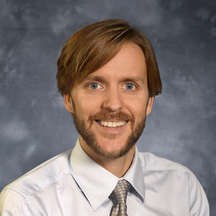
Hans Westermeyer

Hans Westermeyer

Verified

North Carolina State University · Clinical Sciences

Active 2003–2026

h-index14
Citations591
Papers6122 last 5y
Funding
See your match with Hans Westermeyer — sign in to PhdFit.Sign in

About

Sarah Ho is the CVM Director of Student Engagement at the College of Veterinary Medicine at NC State University. Her role involves fostering student development and engagement within the college community. The page emphasizes her position in supporting students' academic and personal growth, but does not provide specific details about her research focus, background, or key contributions.

Research topics

  • Medicine
  • Surgery
  • Anesthesia
  • Ophthalmology
  • Internal medicine
  • Optics
  • Mathematical analysis
  • Thermodynamics
  • Classical mechanics
  • Geometry
  • Mechanics
  • Developmental psychology
  • Psychiatry
  • Physics
  • Audiology
  • Pathology
  • Psychology
  • Mathematics
  • Geotechnical engineering
  • Geology

Selected publications

  • Owner Obtained Intraocular Pressure Measurements in Canine Primary Angle Closure Glaucoma: A Pilot Study in 14 Dogs

    Veterinary Ophthalmology · 2026-02-05

    articleOpen access1st authorCorresponding

    PURPOSE: To explore the clinical value of intraocular pressure (IOP) measurements obtained by owners in dogs predisposed to primary angle closure glaucoma (PACG). MATERIALS AND METHODS: Owners of 14 dogs with eyes predisposed to developing PACG obtained IOP measurements with a TonoVet Plus from the time of diagnosis of PACG until they developed clinical PACG or were lost to follow up. RESULTS: Owners measured IOP values in 14 dogs. In nine dogs, IOP was measured until they developed overt glaucoma with marked IOP elevations. Four dogs were lost to follow-up, and IOP continues to be monitored in one dog. In seven of the nine dogs that developed overt glaucoma, onset of glaucoma was associated with a sudden rise in IOP > 50 mmHg that was not preceded by an obvious gradual rise in average IOP readings or prior smaller rises in IOP. Dogs that were treated with latanoprost following the onset of overt glaucoma continued to have sporadic rises in IOP. CONCLUSION: Owner obtained, at home IOP measurements can provide information that may be useful in the management of canine PACG.

  • Serial Evaluation of Pectinate Ligament Morphology Is Not Useful in Predicting the Onset of Intraocular Pressure Elevation in Dogs With Primary Angle Closure Glaucoma

    Veterinary Ophthalmology · 2025-05-19

    articleOpen access1st authorCorresponding

    OBJECTIVE: To determine whether serial evaluation of pectinate ligament morphology could aid in predicting the onset of elevated intraocular pressure (IOP) in eyes predisposed to primary angle closure glaucoma (PACG). ANIMALS STUDIED: The second eye of dogs affected with PACG (20) that had already developed elevated IOP in the first eye and normal dogs (12) with no history of glaucoma. PROCEDURES: Serial goniophotographs of all quadrants of the iridocorneal angle were obtained every 9 months over approximately 18 months in normal dogs. Images were obtained every 3 months in dogs with PACG until that eye developed elevated IOP. A modified ZibWest score was calculated for each image. The earliest ZibWest score was then compared with the last ZibWest score for each eye. Additionally, matched images from the same quadrant from the first and last time point were presented to masked experienced evaluators to see whether the progression of abnormalities could be detected. RESULTS: A difference in ZibWest scores between the first and the last time point for each eye was not detected across all dogs (p = 0.3673), within dogs affected with PACG (p = 0.2665), or normal dogs (p = 0.3953). Experienced evaluators were unable to detect significant progression of pectinate ligament abnormalities. CONCLUSIONS: Serial gonioscopic evaluation of pectinate ligament morphology does not appear to be useful in the prediction of the time of onset of elevated IOP in dogs with PACG.

  • Experiences and Occupational Self‐Efficacy of Neurominorities in Specialty Veterinary Medicine: Challenges, Solutions, and Recommendations for Progress

    Veterinary Ophthalmology · 2025-05-19

    articleOpen accessSenior authorCorresponding

    OBJECTIVE: To assess the challenges faced by specialists and current residents with neurodevelopmental differences (neurominorities) throughout their careers, including the solutions and accommodations that have worked for them. SUBJECTS STUDIED: 162 specialty veterinarians, 53 current residents. PROCEDURES: An online survey was distributed to neurominority specialists and residents through gatekeeper organizations (specialty colleges). The survey asked respondents to identify challenges they experienced during their veterinary training career and rank how much of an impact their neurominority status had on those challenges. Chi-square tests compared the distribution of challenges between respondents with specific neurotypes. Open-ended questions gathered qualitative information on solutions and accommodations. RESULTS: The most responses came from Emergency and Critical Care (19.07%) and Laboratory Animal Medicine (18.14%). Attention deficit and hyperactivity disorder (ADHD) was the most common neurotype (73.02%). ADHD was consistently associated with challenges around executive functioning, while autism spectrum conditions (ASC) were more likely to describe challenges with social interactions and masking. Respondents with ADHD were more likely to report an increase in the impact of their neurotype over time. Respondents described that not knowing about their diagnoses earlier presented challenges. Solutions included therapy, medication, self-acceptance, and personalized accommodations. Neurominorities highlighted positive strengths such as empathy, creativity, and attention to detail. Veterinarians in this survey expressed a need for more awareness and acceptance of neurodiversity within the profession. CONCLUSIONS: The results of this survey support the need for increased awareness and acceptance of neurominorities in veterinary medicine and an understanding of the unique challenges they face during their careers.

  • Ultrasound biomicroscopic imaging parameters associated with outcome in equine infectious ulcerative keratitis and stromal abscesses

    Journal of the American Veterinary Medical Association · 2024-05-31 · 6 citations

    articleOpen access

    OBJECTIVE: To determine the predictive value of corneal ultrasound biomicroscopy (UBM) findings for the outcome of equine corneal disease. ANIMALS: 46 horses with a clinical diagnosis of either infectious ulcerative keratitis or stromal abscess. METHODS: Corneal UBM (VevoMD; UHF70; VisualSonics) of horses with infectious corneal disease presenting to the North Carolina State University Equine Ophthalmology Service from 2019 to 2023 were evaluated. Size and depth of lesion, presence of Descemet membrane disruption (DMD), corneal thickness, and aqueous humor cell counts (AHCC) were assessed. Comparisons of UBM and clinical exam findings, presence of infectious organisms, and outcome (healed or enucleated) were performed. RESULTS: The UBMs from 46 horses were evaluated. Increased AHCC was significantly associated with increased size and depth of corneal lesions on UBM but not with DMD. Deep lesions and DMD were significantly associated with an enucleation outcome. Horses treated with systemic antibiotics had significantly lower AHCC on UBM, but there were no differences in AHCC with the use of other systemic or topical medications. There was no significant correlation between infectious disease results, clinical findings (aqueous flare or cells), outcome, and UBM AHCC. CLINICAL RELEVANCE: Parameters on UBM, such as depth of lesion, DMD, and AHCC, may be useful diagnostic and prognostic tools to augment the ophthalmic exam of horses with corneal disease. The UBM findings of deep corneal lesions and DMD suggest a poor prognosis and warrant aggressive surgical intervention.

  • Ultrasound biomicroscopy in dogs suggests postoperative ocular hypertension may be associated with ciliary cleft changes related to cataract surgery

    Journal of the American Veterinary Medical Association · 2024-09-19 · 2 citations

    articleSenior author

    OBJECTIVE: To determine whether novel pre- and postsurgical ultrasound biomicroscopy (UBM) measurements of the canine ciliary cleft (CC) are associated with postoperative ocular hypertension (POH) following cataract surgery and to explore the relationship between intraocular pressure and CC UBM measurements. METHODS: Following pharmacologic mydriasis, UBM images were obtained from 31 client-owned dogs before elective cataract surgery, immediately postsurgery, and 4 to 6 hours following surgery or while experiencing POH ≥ 25 mm Hg. Presurgery and the pre- to postsurgery change in CC measurements were assessed for association with POH using individual mixed-effects logistic regression models and forward variable selection models. Linear mixed-effects models were used to evaluate the relationship of intraocular pressure to UBM measurements within the same eye across multiple time points. RESULTS: Presurgical measurements were not predictive of POH development. An increase in pectinate ligament distance and CC area from presurgical baseline to immediate postsurgical measurement was associated with reduced odds of developing POH, while increasing CC length (from apex to mid point on the pectinate ligament) from pre- to postsurgery and immature cataracts was associated with increased odds of POH. CONCLUSIONs: The change in CC morphology following cataract surgery appears more impactful in the development of POH than individual variations in presurgery CC measurements. Several changes in the CC dimensions following surgery appear associated with POH risk. CLINICAL RELEVANCE: This understanding of a potential mechanism of POH development opens new avenues for researching preventative measures associated with modifying surgical techniques to influence CC morphology following cataract surgery.

  • Mydriasis in eastern box turtles (<i>Terrapene carolina carolina</i>) following topical administration of proparacaine, 10% phenylephrine, and rocuronium bromide

    Veterinary Ophthalmology · 2024-05-17

    articleOpen accessSenior author

    OBJECTIVE: To determine the mydriatic effect of topical 10% phenylephrine with 10 mg/mL rocuronium bromide and compare this protocol with and without pretreatment with proparacaine. ANIMALS STUDIED: Ten client-owned pet adult eastern box turtles (Terrapene carolina carolina). PROCEDURES: All turtles were sedated with 8 mg/kg alfaxalone intramuscularly. One group of four turtles received four 20 μL drops of 10% phenylephrine and four 20 μL drops of rocuronium bromide in the right eye. Another group of four turtles received one standard drop of proparacaine followed by four 20 μL drops of 10% phenylephrine and four 20 μL drops of rocuronium bromide in the right eye. Two control group turtles received four 20 μL drops of saline in the right eye. The left eye was untreated in all turtles. Drops of the same type were separated by 2 min while drops of different types were separated by 5 min. Pupil size was recorded at 0, 15, 30, 60, 90, 120, 180, 240, and 360 min after administration of the final drop. RESULTS: Treatment with 10% phenylephrine and rocuronium bromide resulted in pupil diameter changes from baseline that were statistically significant from zero at 60, 90, and 120 min in the non-proparacaine group and 90 min in the proparacaine group. The time to peak effect was 90 min in the proparacaine group and 75 min in the non-proparacaine group. Saline-treated pupils in the control group decreased in diameter over the study period. Overall, the treated eyes of the proparacaine group and non-proparacaine group were not different from each other, but both dilated more than the control group. CONCLUSIONS: Rocuronium bromide and 10% phenylephrine can produce effective and safe mydriasis in eastern box turtles, but there was wide interindividual variation in effectiveness. Proparacaine did not improve the mydriatic effect.

  • Expanding the invertebrate medicine toolbox: evaluation of opisthosoma tonometry as a novel diagnostic tool for arachnids

    American Journal of Veterinary Research · 2024-09-11

    articleOpen access

    OBJECTIVE: The objective of this study was to analyze the use of rebound tonometry, as a noninvasive diagnostic tool, in arachnids. METHODS: 5 juvenile (yearling) female and 1 juvenile male curlyhair tarantulas (Tliltocatl albopilosus, previously Brachypelma albopilosum) were used to track estimated ventral opisthosoma pressures over a 9-month period of time. Younger, growing animals were selected as they are more likely than adults to go through multiple molts throughout the 9 months of the study length. An iCare TONOVET TV01 rebound tonometer was used to measure the estimated ventral opisthosoma pressures of the spiders. Measurements were obtained from the ventral opisthosoma, 1 of the thinnest areas of exocuticle throughout the body. Readings were obtained once per week from the ventral opisthosoma for the first 2 months, then once every 2 weeks for 1 month, then back to once per week for the remainder of the study. Additional measurements were obtained following each ecdysis, after a 2% body weight sampling of hemolymph, and at the end of the study to evaluate readings in response to induction of general anesthesia with 5% isoflurane gas and oxygen flow at 2 L/min for 10 minutes. RESULTS: The average of all estimated ventral opisthosoma pressure when spiders were not in molt was 26.19 mm Hg (SD, 3.54), with a statistically significant decrease postmolt to an average of 15.31 mm Hg (SD, 3.81), followed by a gradual increase back to premolt pressures over a 3-week period with an average of 22 days (SD, 1.93). Estimated ventral opisthosoma pressures decreased post hemolymph removal. There is not sufficient evidence that estimated ventral opisthosoma pressures changed over time following the anesthesia. CLINICAL RELEVANCE: This study demonstrates that tonometry can be used to generally assess the estimated ventral opisthosoma pressure, which could correlate with where a spider is in an ecdysis cycle.

  • Comparison of a blind and an ultrasound‐guided technique for Retrobulbar anesthesia in dogs undergoing unilateral subconjunctival enucleation

    Veterinary Ophthalmology · 2023 · 4 citations

    • Medicine
    • Anesthesia
    • Surgery

    OBJECTIVE: This study compared the quality of retrobulbar anesthesia using a blind inferior-temporal palpebral approach (ITP) with an ultrasound-guided supratemporal (ST) technique in dogs undergoing unilateral enucleation. ANIMAL STUDIED: Twenty-one client-owned dogs were undergoing enucleation. PROCEDURES: Dogs were randomly assigned to receive ITP (n = 10) or ST (n = 11) with 0.5% ropivacaine at 0.1 mL/cm of neurocranial length. The anesthetist was blinded to the technique. Intraoperative data included cardiopulmonary variables, inhalant anesthetics requirement, and requirement for rescue analgesia (intravenous fentanyl 2.5 mcg/kg). Postoperative data included pain scores, sedation scores, and need for intravenous hydromorphone (0.05 mg/kg). Treatments were compared using Wilcoxon's rank sum test or Fisher's exact test as appropriate. Comparison of variables over time were tested using a mixed effect linear model on rank. Significance was set at p = 0.05. RESULTS: Intraoperative cardiopulmonary variables and inhalant requirements were not different between groups. Dogs receiving ITP required median (interquartile range, IQR) 1.25 (0, 2.5) mcg/kg intraoperative fentanyl while those receiving ST required none (p < 0.01). Intraoperative fentanyl was required in 5/10 and 0/11 of dogs in the ITP and ST groups, respectively (p = 0.01). Postoperative analgesia requirements were not significantly different between groups; 2/10 and 1/10 dogs in the ITP and ST groups, respectively. Sedation score negatively affected pain score (p < 0.01). CONCLUSIONS: The ultrasound-guided ST technique was more effective at decreasing intraoperative opioid requirements than the blind ITP approach in dogs undergoing unilateral enucleation.

  • Sulcus intraocular lens implantation in 17 dogs using a modified ab externo technique

    Veterinary Ophthalmology · 2023-03-22 · 1 citations

    article

    OBJECTIVE: To describe a modified ab externo method of sulcus intraocular lens (IOL) fixation and report outcomes of eyes treated with this approach. PROCEDURES: Records of patients with lens instability or luxation that underwent a lensectomy and sulcus IOL implantation from January 2004 to December 2020 were reviewed. RESULTS: Nineteen eyes of 17 dogs had a sulcus IOL placed via a modified ab externo approach. The median follow-up time was 546 days (range 29-3387 days). Eight eyes (42.1%) developed POH. A total of six eyes (31.6%) developed glaucoma and required medical management long term to control IOP. The IOL position was satisfactory in most cases. Nine eyes developed superficial corneal ulcers within 4 weeks following surgery, all of which healed without complication. At the time of the last follow-up, 17 eyes were visual (89.5%). CONCLUSIONS: The technique described represents a potentially less technically challenging option for sulcus IOL implantation. The success rate and complications are similar to previously described approaches.

  • Age-associated changes in electroretinography measures in companion dogs

    Documenta Ophthalmologica · 2023-06-11 · 11 citations

    articleOpen access

Frequent coauthors

  • Gregory A. Lewbart

    North Central State College

    22 shared
  • Jorge A. Hernández

    16 shared
  • Juan Antonio Garcı́a

    The University of Texas at El Paso

    16 shared
  • Maximilian Hirschfeld

    James Cook University

    12 shared
  • Juan Pablo Muñoz‐Pérez

    12 shared
  • Freya M. Mowat

    University of Wisconsin–Madison

    9 shared
  • Derek W. Y. Chow

    8 shared
  • Daniel A. Ward

    University of Tennessee at Knoxville

    8 shared

Education

  • Ph.D., Animal Science

    University of California, Davis

    1990
  • M.S., Animal Science

    University of California, Davis

    1986
  • B.S., Animal Science

    University of California, Davis

    1984

Awards & honors

  • Diplomate, American College of Veterinary Ophthalmologists
  • Resume-aware match score
  • Save to shortlist
  • AI-drafted outreach

See your match with Hans Westermeyer

PhdFit ranks faculty by your research interests, methods, and publications — grounded in their actual work, not templates.

  • Free to start
  • No credit card
  • 30-second signup