Resume-aware faculty matching

Find professors who actually fit you

Upload your resume. Four AI agents analyze your background, rank the faculty who fit, inspect their recent research, and help you draft outreach — grounded in their actual work, not templates.

Free to startNo credit cardCancel anytime
Top matches Balanced preset
Dr. Sarah Chen
Stanford · Interpretability · NLP
91
Dr. Marcus Holloway
MIT · Robotics · RL
84
Dr. Aisha Okonkwo
CMU · Fairness · HCI
82
Nova · Professor Researcher · re-ranking top 20…
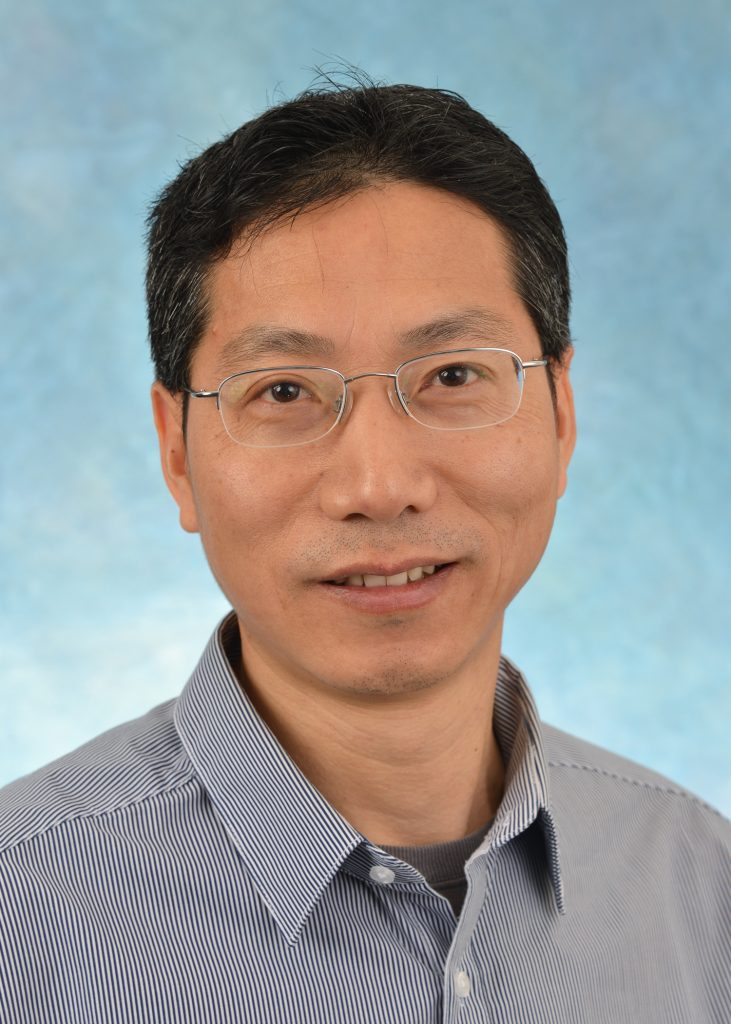
Guochun Jiang

Guochun Jiang

· Assistant Professor of Biochemistry and Biophysics Joint appointment in UNC HIV Cure CenterVerified

University of North Carolina at Chapel Hill · Physiology and Pharmacology

Active 2000–2026

h-index30
Citations2.8k
Papers7438 last 5y
Funding
See your match with Guochun Jiang — sign in to PhdFit.Sign in

About

Guochun Jiang, Ph.D., is an Assistant Professor and the Principal Investigator at the Jiang Lab, affiliated with the UNC HIV Cure Center, the Institute for Global Health and Infectious Diseases (IGHID), and the Department of Biochemistry and Biophysics at the University of North Carolina at Chapel Hill. As the head of the lab, Dr. Jiang leads a team that includes research assistant professors, graduate students, postdoctoral scholars, research technicians, and undergraduate researchers. The lab's collaborative environment extends to numerous national and international researchers and institutions, reflecting a broad network of scientific partnerships. Dr. Jiang's role as Principal Investigator involves directing research efforts focused on HIV cure strategies and infectious diseases, contributing to the advancement of global health through interdisciplinary scientific inquiry.

Research topics

  • Computer Science
  • Virology
  • Biology
  • Telecommunications
  • Genetics
  • Endocrinology
  • Immunology
  • Cell biology
  • Medicine
  • Bioinformatics

Selected publications

  • The ENL–USP7 Complex Regulates HIV Latency Through BRD4 Stabilization

    bioRxiv (Cold Spring Harbor Laboratory) · 2026-04-09

    articleOpen accessSenior authorCorresponding

    HIV-1 persists in CD4⁺ T cells and brain microglia through host factors that enforce viral latency, yet the mechanisms that stabilize key transcriptional regulators remain incompletely understood. Here, we identify the YEATS domain-containing protein ENL and its associated deubiquitinase USP7 as a host complex that maintains HIV-1 latency. USP7 stabilizes BRD4 by deubiquitination, suppressing HIV transcription and sustaining viral quiescence. Disruption of the ENL-USP7 complex using selective PROTACs reactivates latent HIV in cell line models, as well as in resting CD4⁺ T cells and microglia isolated from people with HIV on antiretroviral therapy. These findings uncover a critical ENL-USP7-BRD4 axis that enforces HIV-1 latency and highlight USP7 as a potential target for latency-reversing strategies. Highlights: ENL, a YEATS domain-containing crotonylation reader, acts as a suppressor rather than an activator of HIV-1 transcription.ENL recruits USP7 to stabilize BRD4 and enforce viral latency.Disruption of the ENL-USP7-BRD4 axis reactivates latent HIV in T cells and microglia.Targeting USP7 or ENL reveals a therapeutic vulnerability in HIV reservoirs.

  • Histone decrotonylation plays a distinct role in HIV latency

    Science Advances · 2026-04-10

    articleOpen accessSenior authorCorresponding

    The role of epigenetic regulation in HIV latency remains incompletely understood. We show that histone deacetylase 3 (HDAC3) inhibits trans-activator of transcription (Tat)-mediated HIV transcription through histone decrotonylation (HDCR), independent of deacetylase activity. Chemical biology approaches identified selective HDCR inhibitors (HDCRis) that reverse HIV latency with minimal impact on other histone acylations. Although HDAC2, HDAC3, and HDAC8 exhibit HDCR activity, genetic and chemical studies reveal that the HDCRi citarinostat is selective for HDAC3 and HDAC8. Molecular docking suggests that HDCRi binds outside the zinc-binding pocket, distinct from the classical HDAC inhibitor vorinostat (SAHA, suberoylanilide hydroxamic acid). Key residues (arginine-265, arginine-301, glutamine-113, and aspartic acid–57) are essential for HDCR selectivity, as their mutation abolishes HDCR activity and increases histone crotonylation without altering other acylation marks. Citarinostat increases histone crotonylation at the HIV long terminal repeat, robustly activating HIV transcription in cell lines, primary CD4 + T cells, and brain microglia from simian immunodeficiency virus–infected nonhuman primates and participants enrolled in the Last Gift rapid research autopsy cohort, highlighting HDCR as a promising therapeutic target for HIV latency.

  • Lenalidomide downregulates ACE2 protein abundance to alleviate infection by SARS-CoV-2 spike protein conditioned pseudoviruses

    UNC Libraries · 2025-06-11

    articleOpen access
  • Elevated sCD14 in cerebrospinal fluid: a surrogate marker for HIV-associated neurocognitive disorders in Brazil

    AIDS · 2025-12-24 · 1 citations

    articleOpen access

    This study investigates cerebrospinal fluid (CSF) biomarkers associated with HIV-associated neurocognitive disorders (HAND) in people with HIV (PWH) in Brazil. Among 79 HIV-positive participants and 7 negative controls, elevated levels of inflammatory cytokines and soluble CD14 (sCD14) were found. The sCD14 showed promise as a diagnostic marker, and combined with other proinflammatory markers, may improve early detection and monitoring of HAND.

  • Attomolar Detection of HIV-1 with Label-Free RCA-rCRISPR on Smartphone

    bioRxiv (Cold Spring Harbor Laboratory) · 2025-06-17 · 2 citations

    preprintOpen access

    Abstract Human Immunodeficiency Virus-1 (HIV) remains a major global public health challenge, having led to over 42.3 million deaths since its discovery in the early 1980s. Despite progress in prevention and treatment, around 60% of people with HIV (PWH) remain undiagnosed in resource-limited regions, disproportionately affecting vulnerable populations and underserved communities across the world. This illustrates the critical need for accessible, accurate, and equipment-free diagnostic tools to enhance detection and thus provide opportunities to curb its spread. Here, we developed a low-cost, robust, and label-free rolling circle amplification (RCA)-rCRISPR diagnostic platform for detecting HIV viral load with minimal instrumentation. Our strategy, combining the integration of RNA-detecting RCA reaction with plasmid reporter-based ratiometric CRISPR (rCRISPR), enables sensitive detection of unprocessed RNA targets without the need for intensive sample pre-treatment. This label-free RCA-rCRISPR diagnostic platform detected HIV RNA down to single-digit aM sensitivity (~3000 copies/mL) from PWH-derived HIV samples ex vivo . Unlike typical RCA, which requires sample fragmentations to break long RNA target sequences, our design harnesses the triple functions of the phi29 DNA polymerase (namely exonuclease activity, polymerization, and strand displacement), enabling the detection of the entire HIV genome without pre-fragmentation. For point-of-care (POC) applications, we constructed an all-in-one smartphone-based minigel electrophoresis device to facilitate equipment-free HIV viral load testing, making it accessible to resource-limited communities. Additionally, the assay has demonstrated the ability for point mutation detection ( BRAF mutation in canine urothelial carcinoma), showcasing the robustness of our strategy for broad disease diagnostic applications.

  • Brain microglia serve as a persistent HIV reservoir despite durable antiretroviral therapy

    UNC Libraries · 2025-09-24

    articleOpen access

    Brain microglia (MG) may serve as a human immunodeficiency virus 1 (HIV) reservoir and ignite rebound viremia following cessation of antiretroviral therapy (ART), but they have yet to be proven to harbor replication-competent HIV. Here, we isolated brain myeloid cells (BrMCs) from nonhuman primates and rapid autopsy of people with HIV (PWH) on ART and sought evidence of persistent viral infection. BrMCs predominantly displayed microglial markers, in which up to 99.9% of the BrMCs were TMEM119+ MG. Total and integrated SIV or HIV DNA was detectable in the MG, with low levels of cell-associated viral RNA. Provirus in MG was highly sensitive to epigenetic inhibition. Outgrowth virus from parietal cortex MG in an individual with HIV productively infected both MG and PBMCs. This inducible, replication-competent virus and virus from basal ganglia proviral DNA were closely related but highly divergent from variants in peripheral compartments. Phenotyping studies characterized brain-derived virus as macrophage tropic based on the ability of the virus to infect cells expressing low levels of CD4. The lack of genetic diversity in virus from the brain suggests that this macrophage-tropic lineage quickly colonized brain regions. These data demonstrate that MG harbor replication-competent HIV and serve as a persistent reservoir in the brain.

  • Persistent type I interferon signaling within the brain of people with HIV on ART with cognitive impairment

    PLoS Pathogens · 2025-08-20 · 7 citations

    articleOpen accessSenior authorCorresponding

    To better understand the molecular mechanism that drives neuroinflammation, we analyzed the protein profiles of 27 brains from HIV with HIV (PWH) on antiretroviral therapy (ART), including various stages of HIV-associated neurocognitive disorders (HAND), and compared them to 9 HAND-negative controls. We found that most of the proteins that were increased-about 66.7%-were involved in immune response pathways. Of these, 23.3% were specifically related to type I interferon (IFN-I) signaling, which remains active in the brain through both HIV-related and unrelated mechanisms. Using single-cell RNA sequencing (scRNA-seq) on brain tissues collected during rapid autopsies from participants in the Last Gift cohort, we found that IFN-I signaling was especially strong in astrocytes, microglia (MG), and endothelial cells. In a mini-brain organoid model of acute HIV infection, IFN-I signaling was also highly active in astrocytes but less so in MG. Interestingly, IFN-I activation can happen without HIV being present-expression of human endogenous retrovirus-W1 (HERV-W1) Env can directly trigger this response in astrocytes, and it continues in glial cells even with effective ART. Together, our findings point to persistent IFN-I activation in glial and endothelial cells in the brain, which may contribute to neuroinflammation and cognitive disorders in PWH on ART.

  • A Plausible Link of TMPRSS2/ACE2/AR Signaling to Male Mortality during the COVID-19 Pandemic in the United States

    UNC Libraries · 2025-06-07

    articleOpen access1st authorCorresponding

    The COVID-19 pandemic continues around the world, where the United States is among the worst in terms of both morbidity and fatality of the viral infection. We aim to investigate the plausible link of tissue SARS-CoV-2 viral entry gene expression, such as TMPRSS2 and ACE2, with infection and death by gender during the COVID-19 pandemic in the United States. We find a significantly higher incidence of COVID-19 death in men than in women, even though SARS-CoV-2 infection in women is higher than in men. We discover that the expression of TMPRSS2 and ACE2 in intestine, but not in lung, tends to be positively associated with the incidence of SARS-CoV-2 infection in men. In contrast, the high incidence of death in men is negatively correlated with TMPRSS2/ACE2 expression in intestine. Strikingly, the correlation of TMPRSS2/ACE2 expression with SARS-CoV-2 infection and death is the opposite in females, compared with that in males. Interestingly, male hormone signaling seems to be involved in mortality, as the low expression of testosterone receptor AR in the prostate contributes to death in men according to age. These observations point to a plausible contribution of male hormone metabolism in the regulation of TMPRSS2/ACE2 signaling to fatality by SARS-CoV-2 infection in men.

  • Persistent Human T‐Lymphotropic Virus Type 1 (HTLV‐1) Infection in the Placenta of Pregnant Women

    Journal of Medical Virology · 2025-09-01 · 1 citations

    articleOpen accessCorresponding

    Mother-to-child transmission (MTCT) is the primary route of human T-lymphotropic virus type 1 (HTLV-1) infection. Although formula feeding reduces breastfeeding-associated transmission, MTCT still occurs, implicating pregnancy or delivery as key transmission windows. In this study, placental tissues from nine HTLV-1-positive mothers were analyzed using DNA/RNAscope, revealing low HTLV-1 DNA and RNA levels and a low RNA/DNA ratio, consistent with latent infection in the placenta and potentially explaining the low MTCT rate. Elevated interferon (IFN)-β levels were observed in infected placentas compared to seronegative controls, while IFNα, IFNγ, and IFITM expression remained unchanged. Concurrently, sustained IFNβ expression in infected placentas suggests its dual roles in HTLV-1 pathogenesis: suppressing viral replication while potentially disrupting placental homeostasis through chronic inflammation. In vitro modeling using BeWo cells or primary trophoblasts cocultured with HTLV-1-infected MT-2 cells demonstrated syncytin-1-mediated viral entry, confirmed by HTLV-1 p19 detection in both trophoblasts. Of note, HTLV-1 transmission was abolished by a syncytin-1-specific fusion inhibitor HRB1, underscoring syncytin-1's essential role in cell-to-cell transmission of HTLV-1. Thus, this study identifies syncytin-1 as a therapeutic target to block vertical transmission and highlights the need to balance antiviral responses with placental integrity in HTLV-1 management.

  • Silk fibers assisted long-term 3D culture of human primary urinary stem cells via inhibition of senescence-associated genes: Potential use in the assessment of chronic mitochondrial toxicity

    UNC Libraries · 2025-07-26

    articleOpen access

Frequent coauthors

Labs

Education

  • Ph.D., Biochemistry and Biophysics

    University of North Carolina at Chapel Hill

    2019
  • Resume-aware match score
  • Save to shortlist
  • AI-drafted outreach

See your match with Guochun Jiang

PhdFit ranks faculty by your research interests, methods, and publications — grounded in their actual work, not templates.

  • Free to start
  • No credit card
  • 30-second signup