
Resume-aware faculty matching

Find professors who actually fit you

Upload your resume. Four AI agents analyze your background, rank the faculty who fit, inspect their recent research, and help you draft outreach — grounded in their actual work, not templates.

Free to startNo credit cardCancel anytime
Top matches Balanced preset
Dr. Sarah Chen
Stanford · Interpretability · NLP
91
Dr. Marcus Holloway
MIT · Robotics · RL
84
Dr. Aisha Okonkwo
CMU · Fairness · HCI
82
Nova · Professor Researcher · re-ranking top 20…
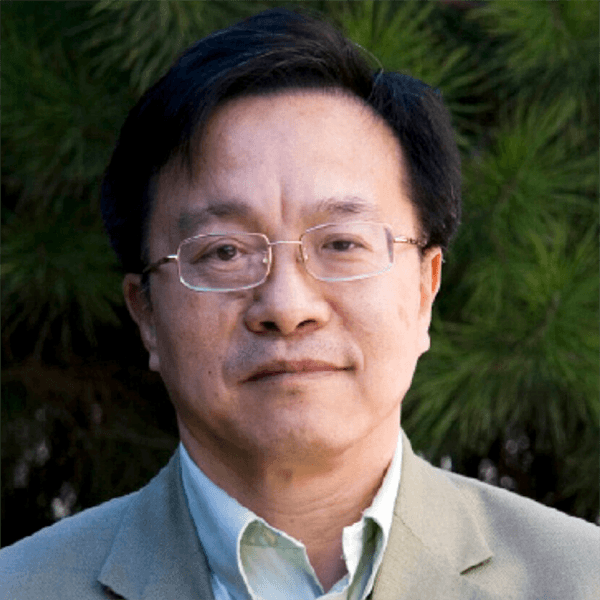
Gang Bao

Gang Bao

· Foyt Family Professor of Bioengineering; Professor of Chemistry and Materials Science & NanoEngineering; CPRIT Scholar in Cancer ResearchVerified

Rice University · Bioengineering

Active 1989–2026

h-index114
Citations46.7k
Papers62298 last 5y
Funding$42.9M
See your match with Gang Bao — sign in to PhdFit.Sign in

About

Gang Bao is a Foyt Family Professor of Bioengineering, and also holds professorships in Chemistry and Materials Science & NanoEngineering at Rice University. He is a pioneer in nanomedicine, molecular imaging, and genome editing. His laboratory focuses on engineering nanoscale structures and devices with broad applications in understanding disease mechanisms, diagnostics, and treatments, including targeted drug, gene, and cell-based therapies. A major research area involves developing gene correction techniques using DNA-cutting enzymes such as CRISPR/Cas9, TALENs, and ZFNs to address cancer and single-gene disorders like sickle-cell disease. Bao's work also encompasses nanotechnologies for multimodal molecular imaging, sensitive detection of RNA and proteins, and targeted drug delivery. His platform technologies include superparamagnetic nanoparticle probes, quantum dot bioconjugates, and molecular beacons for cellular and in vivo imaging, with applications in disease detection and mechanistic studies. His research integrates collaboration with physician-scientists and clinicians, emphasizing education and cross-training in biology, medicine, and quantitative sciences. Bao has authored over 180 refereed publications, two books, and four book chapters. He co-founded Vivonetics, Inc., a biotechnology company, and holds multiple patents related to nanotechnologies. He is an elected fellow of several professional societies, including the Biomedical Engineering Society, AIMBE, APS, AAAS, and ASME.

Research topics

  • Biology
  • Genetics
  • Computer Science
  • Computational biology
  • Immunology
  • Cancer research
  • Molecular biology
  • Medicine
  • Bioinformatics
  • Virology
  • Data science

Selected publications

  • Focal Adhesion Related Gene Signature for Glioma: The Pivotal Role of RAP1B in Disease Progression

    Current Medicinal Chemistry · 2026-03-31

    articleSenior author

    INTRODUCTION: Gliomas are the most common malignant primary brain tumors in adults, with generally unfavorable outcomes. Although focal adhesion-related genes are implicated in glioma progression, their clinical applicability remains limited. METHODS: mRNA expression profiles were analyzed in 938 glioma samples from The Cancer Genome Atlas (TCGA) and Chinese Glioma Genome Atlas (CGGA), with TCGA as the discovery cohort and CGGA as the validation cohort. Consensus clustering and LASSO Cox regression were used to construct a focal adhesion-related gene (FARG) signature. Survival analysis, pathway enrichment, immune infiltration, and drug response analyses were subsequently performed based on this signature. In vitro and in vivo assays were performed to investigate RAP1B, the gene with the highest coefficient in the FARG signature. RESULTS: A 9-gene FARG signature was identified and effectively stratified patients into high- and low-risk groups with significantly different outcomes. High-risk patients exhibited malignant molecular features, activation of oncogenic pathways, treatment resistance, and an immunosuppressive microenvironment. RAP1B contributed most to the risk score, was significantly upregulated in gliomas, and correlated with poor prognosis. Mechanistically, NFKB1 enhanced RAP1B transcription, promoting glioma proliferation, migration, and tumorigenesis. DISCUSSION: The FARG signature integrates molecular and immune characteristics of gliomas, offering a predictive model for patient prognosis. RAP1B, as a key molecular target, holds potential for improving patient survival. However, this study largely relies on public databases, and further validation in independent cohorts and functional models is required. CONCLUSION: This study establishes a FARG-based prognostic model and identifies RAP1B as a potential therapeutic target in glioma.

  • Computation of Shape Taylor Expansions for Scattering Problems in Two Dimensions

    SIAM Journal on Scientific Computing · 2026-03-04

    article1st authorCorresponding
  • Shape Taylor Expansion for Wave Scattering Problems

    SIAM Journal on Applied Mathematics · 2026-03-03

    article1st authorCorresponding
  • Boosting performance of triboelectric nanogenerator via mechanical field-effect modulation

    Nano Energy · 2026-03-08

    articleOpen access

    Triboelectric nanogenerators (TENGs) are generally regarded as being fundamentally limited by their attainable surface charge density, which constrains their power output and energy conversion efficiency. This work indicates that this constraint originates from the absence of internal field-effect regulation rather than from an intrinsic electrostatic bound. A field-effect–modulated triboelectric nanogenerator (F-TENG) is presented, in which a mechanically gated electrostatic architecture is introduced on the negative triboelectric side using a floating electrode separated by a dielectric layer. A self-consistent electrostatic model reveals that mechanical separation induces an effective gate voltage through capacitive coupling, generating an auxiliary electric field that enables edge-field-assisted electron injection beyond conventional triboelectric equilibrium. This mechanism establishes a one-to-one correspondence between the F-TENG and a metal–oxide–semiconductor field-effect transistor, yielding a complete transfer characteristic consisting of triboelectric-dominated, field-effect-enhanced, and saturation regimes. Experimentally, the F-TENG exhibits a transferred charge enhancement of ~203% and a short-circuit current enhancement of ~255% compared with conventional TENGs. Correspondingly, peak power, average power, and harvested energy are enhanced by up to 545%, 613%, and 611%, respectively, together with robust direct-current output capability and long-term operational stability. These results establish TENGs as mechanically gated electrostatic energy conversion systems and redefine the physical origin and achievable limit of triboelectric surface charge density. A mechanically gated field-effect architecture is introduced into triboelectric nanogenerators to actively regulate surface charge density. Through capacitive coupling and field-effect–assisted charge injection, the device exhibits a MOSFET-like transfer characteristic and significantly enhanced charge, power, and energy output, redefining triboelectric nanogenerators as mechanically gated electrostatic energy conversion systems. • TENGs are redefined as mechanically gated electrostatic energy converters. • A MOSFET-like transfer characteristic is established for triboelectric systems. • Field-effect modulation enables charge densities beyond conventional limits.

  • [Familial florid cemento-osseous dysplasia with ANO5 mutation: a case report].

    PubMed · 2026-02-09

    article
  • Sequential manifestation of Kaposi’s sarcoma and diffuse large B-cell lymphoma in the context of HIV infection: Case report of a rare presentation

    Medicine · 2026-04-24

    articleOpen access

    RATIONALE: Kaposi sarcoma (KS) and diffuse large B-cell lymphoma (DLBCL) are AIDS-defining malignancies frequently linked to HIV-related immune dysregulation. Their sequential occurrence in a single patient is an uncommon and clinically significant phenomenon. PATIENT CONCERNS: Herein, we report a case of sequential occurrence of KS and DLBCL that underscores the complex interplay between HIV infection, immune suppression, and oncogenesis. DIAGNOSES: At the time of HIV diagnosis (which prompted the immediate initiation of antiretroviral therapy), the patient, a 46-year-old man, exhibited symptoms (generalized rash, bowel movements) raising clinical suspicion for KS. This was confirmed through clinical examinations, including skin biopsy and colonoscopy. INTERVENTIONS: The patient received treatment with paclitaxel and doxorubicin for KS. One year later, he developed DLBCL, presenting with back and flank pain, and was subsequently treated with the R-CHOP regimen. OUTCOMES: The patient demonstrated a favorable therapeutic response to both treatment regimens. LESSONS: This case underscores the clinical challenges and importance of vigilance in managing sequential AIDS-defining malignancies. It also highlights the need for systematic guidelines for screening oncogenic viruses in HIV-infected individuals, particularly those with prior KS.

  • High-power dual-channel chamber for high-frequency magnetic neuromodulation

    Journal of Neural Engineering · 2026-03-19

    articleOpen access

    Abstract Objective. Several novel methods, including magnetogenetics and magnetoelectric stimulation, use high frequency alternating magnetic fields to precisely manipulate neural activity. To quantify the behavioral effects of such interventions in a freely moving mouse, we developed a dual-channel magnetic chamber, specifically designed for rate-sensitive magnetothermal-genetic stimulation, and adaptable for other uses of alternating magnetic fields. Approach. Through an optimized coil design, the system allows independent control of two spatially orthogonal uniform magnetic fields delivered at different frequencies within a 10 × 10 × 6 cm 3 chamber suitable for mouse studies. The two channels have nominal frequencies of 50 and 550 kHz with peak magnetic field strengths of 88 and 12.5 mT, achieved with resonant coil drives having peak voltages of 1.6 and 1.8 kV and currents of 1.0 and 0.26 kA, respectively. Additionally, a liquid cooling system enables magnetic field generation for second-level durations, and an observation port and camera allow video capture of the animal’s behavior within the chamber. Main results. The system generates high-amplitude magnetic fields across two widely separated frequency channels with negligible interference (<1%). Relatively uniform magnetic field distribution (±10% across 94% of the chamber volume) is maintained throughout the chamber, and temperature increase of the inner side of the coil enclosure during the operation is limited to <0.35 °C s −1 to ensure in vivo safety. Using cobalt-doped and undoped iron oxide nanoparticles, we demonstrate channel-specific heating rates of 3.5 °C s −1 and 1.5 °C s −1 , respectively, validating frequency-selectivity. Both channels can run continuously for 4 s stably. Significance. We present a novel magnetic stimulation platform that combines high-frequency, high-power capability with two independently-controlled channels generating different frequencies, along with a real-time behavioral observation system for freely moving animals. The system supports frequency-multiplexed stimulation strategies for precise modulation of neural activity, making it a versatile tool for advancing magnetogenetics, neural circuit interrogation, and noninvasive stimulation approaches in neuroscience and bioengineering.

  • Cell-Based Therapies: Ferromagnetic Versus Superparamagnetic Cell Targeting

    Bioengineering · 2025-06-16

    articleOpen access

    Stem-cell-based therapies rely on the transplantation of stem cells or stem-cell-derived organotypic cells into injured tissues in order to improve or restore tissue function that has been impaired by various diseases. The potential of induced pluripotent stem cells has created many applications in the field of cell therapy, for example. Some applications, for example, those in cardiac cell therapy, suffer from low or very low efficiencies of cell engraftment. Therefore, magnetic cell targeting can be discussed as a method for capturing superparamagnetic nanoparticle-labelled cells in the tissue. Here, we employ superparamagnetic iron oxide nanoparticles (SPIONs) for the intracellular magnetic loading of mesenchymal stem cells (MSCs). In addition, we test a novel strategy of labelling MSCs with ferromagnetic particles. The adhesion assays demonstrate a faster adhesion kinetic of SPIONs-loaded MSC spheroids when a magnetic field was applied, resulting in >50% spheroid adhesion after 30 min. Clustering of cells inside the magnetic field is a second potential mechanism of magnetic cell retention and >80% of cells were found to be aggregated in clusters when placed in a magnetic field for 10 min. SPIONs-loaded and ferromagnetic-particle-loaded cells performed equally in the cell clustering assay. In conclusion, the clustering of SPION-labelled cells explains the observation that magnetic targeting reaches maximal efficiency in vivo after only 10 min of magnetic field application. This has significant implications for magnetic-targeting-assisted stem cell and cell replacement therapies.

  • Peptide-assisted lipofection enables efficient non-viral delivery of large CRISPR/Cas9 constructs for genome editing applications

    Biomedicine & Pharmacotherapy · 2025-12-01

    articleOpen access

    Efficient and safe delivery of large genetic constructs such as CRISPR/Cas9 plasmids remains a critical bottleneck in gene therapy. In this work, the peptide-assisted lipofection (PAL) system was developed as a breakthrough non-viral vector for gene delivery, specifically designed for large plasmids including CRISPR/Cas9 constructs. This system achieved exceptional transfection efficiency up to 98.7 % in HEK293T cells, surpassing conventional delivery methods such as electroporation and standard lipofections. PAL successfully delivered large plasmids up to 29 kb while maintaining high cell viability and achieved 44.1 % indel formation efficiency in gene editing experiments. Fluorescence microscopy verified PAL's efficient endosomal escape and nuclear targeting abilities. The superior performance of the PAL is attributed to its cellular uptake and endosomal escape enhanced by transfection-assisting peptide. In vivo studies in mouse models showed sustained gene expression in liver tissue, demonstrating superior performance compared to naked plasmid delivery. These results establish PAL as a versatile and promising platform for gene therapy and genome editing, offering a safer alternative to viral vectors for large genetic payload delivery.

  • Altitudinal Differences in Decreasing Heat Deficit at the End of the Growing Season of Alpine Grassland on the Qinghai–Tibetan Plateau from 1982 to 2022

    Land · 2025-04-01 · 1 citations

    articleOpen accessCorresponding

    As a measure of the accumulated heat deficit during the growing season transition, cooling degree days (CDDs) play a crucial role in regulating vegetation phenology and ecosystem dynamics. However, systematic analyses of CDD trends and their driving mechanisms remain limited, particularly in high-altitude regions where climate variability is pronounced. This study investigated the spatiotemporal variability in CDDs from 1982 to 2022 in alpine grasslands on the Qinghai–Tibetan Plateau (TP) and quantified the contributions of key climatic factors. The results indicate that lower CDD values (<350 °C-days) were predominantly found in warm, arid regions, whereas higher CDD values (>600 °C-days) were concentrated in colder, wetter areas. Temporally, area-averaged CDDs exhibited a significant decline, decreasing from 490.9 °C-days in 1982 to 495.8 °C-days in 2022 at a rate of 3.8 °C-days per year. Elevation plays a critical role in shaping CDD patterns, displaying a nonlinear relationship: CDDs decrease as elevation increases up to 4300 m, beyond which they increase, suggesting a transition from global climate-driven warming at lower elevations to local environmental controls at higher elevations, where snow–albedo feedback, topographic effects, and atmospheric circulation patterns regulate temperature dynamics. Tmax was identified as the dominant climatic driver of CDD variation, particularly above 4300 m, while radiation showed a consistent positive influence across elevations. In contrast, precipitation had a limited and spatially inconsistent effect. These findings emphasize the complex interactions between elevation, temperature, radiation, and precipitation in regulating CDD trends. By providing a long-term perspective on CDD variations and their climatic drivers, this study enhances our understanding of vegetation–climate interactions in alpine ecosystems. The results offer a scientific basis for modeling late-season phenological changes, ecosystem resilience, and land-use planning under ongoing climate change.

Recent grants

Frequent coauthors

  • Ciaran M. Lee

    National University of Ireland

    103 shared
  • Sheng Tong

    Nanchang University

    72 shared
  • Thomas J. Cradick

    53 shared
  • B.M. Wile

    53 shared
  • Zhong Lin Wang

    Georgia Institute of Technology

    50 shared
  • Mary B. Wagner

    Wagner College

    44 shared
  • Nitin Nitin

    41 shared
  • Jun Zhou

    41 shared

Labs

Awards & honors

  • Outstanding Achievement in Research Program Development Awar…
  • Outstanding Achievement in Research Program Development Awar…
  • Sigma Xi Best Paper Award, Georgia Tech Sigma Xi Chapter (20…
  • Plenary Lecturer, 12th International Conference on Biomedica…
  • Cutting Edge Research Award, Georgia Institute of Technology…
  • Resume-aware match score
  • Save to shortlist
  • AI-drafted outreach

See your match with Gang Bao

PhdFit ranks faculty by your research interests, methods, and publications — grounded in their actual work, not templates.

  • Free to start
  • No credit card
  • 30-second signup