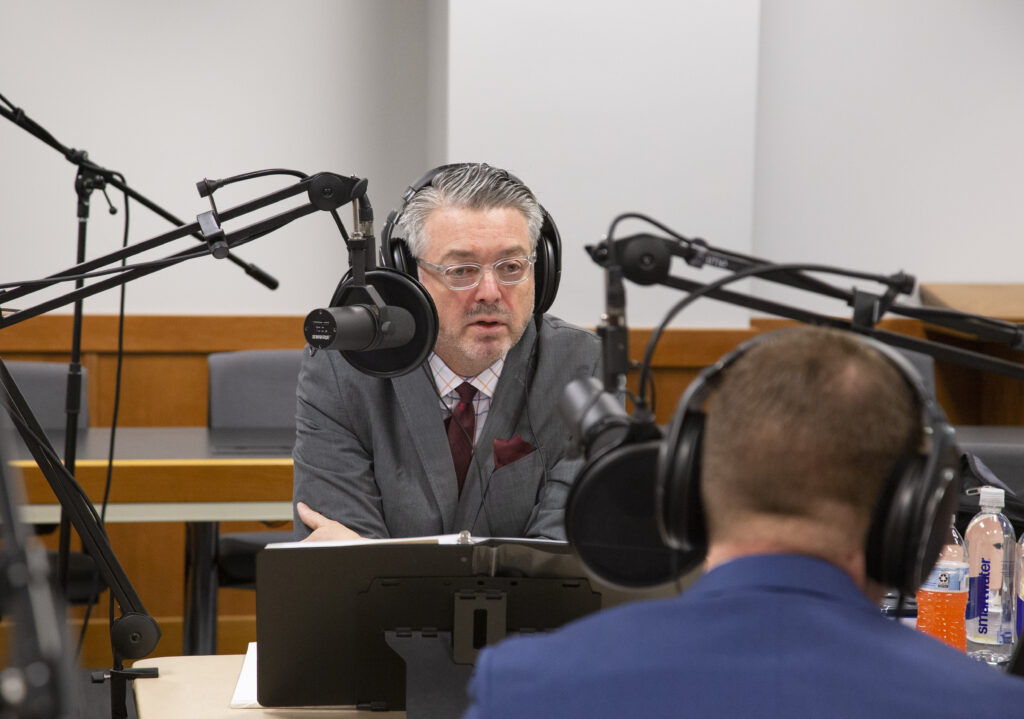
Ralph Brubaker
· Clinical Professor of LawUniversity of Illinois Urbana-Champaign · Law
Active 1963–2026
About
Ralph Brubaker is the James H.M. Sprayregen Professor of Law at the College of Law, considered one of the leading bankruptcy scholars of his generation. He rejoined the Illinois faculty in 2004 after serving as a faculty member at Emory University School of Law for 10 years, where he was also the faculty adviser to the Emory Bankruptcy Developments Journal. Professor Brubaker earned his undergraduate degree with Bronze Tablet distinction at Illinois, passing the CPA exam before pursuing dual MBA and JD degrees. He received his JD summa cum laude from the College of Law, where he was a member of the Order of the Coif, a Harno Fellow, and recipient of Rickert Awards for Excellence in Academic Achievement and Legal Writing, and served as articles editor for the University of Illinois Law Review. His professional experience includes clerking for Judge James K. Logan of the U.S. Court of Appeals for the Tenth Circuit and practicing in the bankruptcy and corporate reorganization group of Squire, Sanders & Dempsey in Cleveland, Ohio, gaining extensive experience in Chapter 11 bankruptcy proceedings. Professor Brubaker is a prolific author, co-authoring books such as 'Bankruptcy Law: Principles, Policies, and Practice' and editing 'A Debtor World: Interdisciplinary Perspectives on Debt.' His scholarly work explores all facets of federal bankruptcy law, with particular focus on Chapter 11 corporate reorganizations and jurisdictional and procedural aspects of bankruptcy proceedings. He has received numerous awards, including the 2003 Editors’ Prize from The American Bankruptcy Law Journal and the 2024 Lawrence P. King Award from the Commercial Law League of America for career excellence in bankruptcy scholarship. Professor Brubaker is actively involved in the legal community as editor-in-chief of West’s Bankruptcy Law Letter, a member of the American Law Institute, a Conferee of the National Bankruptcy Conference, and a Fellow of the American College of Bankruptcy, where he has served as Scholar-in-Residence.
Research topics
- Political Science
- Law and economics
- Business
- Economics
- Law
- Physics
- Finance
- History
Selected publications
SSRN Electronic Journal · 2026-01-01
preprintOpen access1st authorThe<i>Erie</i>&nbsp;Doctrine, Code Common Law, and Choice-of-Law Rules in Bankruptcy
SSRN Electronic Journal · 2026-01-01
preprintOpen access1st authorCorrespondingAssessing the Legitimacy of the "Texas Two-Step" Mass-Tort Bankruptcy
SSRN Electronic Journal · 2025-01-01
preprintOpen access1st authorCorrespondingMass Torts, The Bankruptcy Power, and Constitutional Limits on Mandatory No-Opt-Outs Settlements
SSRN Electronic Journal · 2024
1st authorCorresponding- Political Science
- Law
- Business
Mandatory Aggregation of Mass Tort Litigation in Bankruptcy
2021
1st authorCorresponding- Political Science
- Law
- Law and economics
This response to Professor Lindsey Simon’s Grifters article challenges the controversial practice at the epicenter of the bankruptcy grifter phenomenon that Simon critiques: so-called nonconsensual nondebtor (or third-party) “releases” and “channeling” injunctions that discharge the mass tort obligations of solvent nondebtor entities who have not themselves filed bankruptcy. These nondebtor releases are an illegitimate and unconstitutional exercise of substantive lawmaking powers by the federal courts that contravenes the separation-of-powers limitations embedded in both the Bankruptcy Clause and Erie’s constitutional holding. The federal courts have manufactured out of whole cloth the unique, extraordinary power to impose mandatory non-opt-out settlement of a nondebtor’s mass tort liability on unconsenting tort victims through the bankruptcy proceedings of a co-defendant. The bankruptcy “necessity” that supposedly justifies this astounding and unique settlement power—to mandate nonconsensual non-opt-out “settlements” that are otherwise impermissible and unconstitutional—is (at best) naive credulity or (at worst) specious sophistry. Nonconsensual nondebtor releases are not “necessary” for the bankruptcy process to facilitate efficient aggregate settlements of the mass tort liability of both bankruptcy debtors and nondebtor co-defendants. The bankruptcy jurisdiction, removal, and venue provisions of the Judicial Code already contain the essential architecture for mandatory, universal consolidation of tort victims’ claims against both bankruptcy debtors and nondebtor co-defendants. Bankruptcy can be an extremely powerful aggregation process that facilitates efficient (and fair) settlements of the mass tort liability of nondebtors, even (and especially) without nonconsensual nondebtor releases, particularly if the Supreme Court elucidates the full expanse of federal bankruptcy jurisdiction. Nondebtor releases are an audaciously illicit and unconstitutional means of forcing mandatory settlement of unconsenting tort victims’ claims against solvent nondebtors, and the Supreme Court should finally resolve the longstanding circuit split over the permissibility of nonconsensual nondebtor releases by categorically renouncing them.
Triangular Setoff Agreements (Part II): Contractual Mutuality and Contractual Priority
2019-03-01
article1st authorCorrespondingTriangular Setoff Agreements (Part I): Understanding the Mutuality Requisite for Setoff
2019-02-01
article1st authorCorresponding2019-01-01
articleSenior authorMaximizing Wealth by Forgiving Debts
Revue d’études benthamiennes · 2019-01-01
articleOpen access1st authorCorrespondingL’objet de la présente recherche est d’interroger les mérites de la théorie utilitariste relative aux faillites personnelles, qui est dominante dans la littérature juridique depuis que le courant Law and Economics a gagné en importance. Nous démontrons que l’argumentation utilitariste, qui est assignée aux doctrines de l’acquittement des dettes personnelles par les spécialistes de Law and Economics travaillant dans le domaine du droit des faillites, soulève des questions normatives de taille et créée des tensions quand il s’agit de décrire le phénomène. Ces deux problèmes invitent les théoriciens à proposer des modèles alternatifs pour décrire les conditions dans lesquelles nos systèmes juridiques soulagent les dettes des individus qui ne sont pas en mesure de les honorer. Dans notre ouvrage à paraître, The Virtue of Bankruptcy (Oxford University Press), nous embrassons ce projet. Ici, nous proposons une étape préliminaire à ce projet plus ambitieux en démontrant que les théories utilitaristes sur lesquelles s’appuient les contributions les plus importantes de la littérature sur la question à ce jour sont perfectibles lorsqu’il s’agit de comprendre les raisons et les circonstances dans lesquelles il est possible d’offrir un nouveau départ à ceux qui n’ont pas respecté leurs obligations financières.
Maximizing Wealth by Forgiving Debts: A Critique of Utilitarian Theories of Bankruptcy Discharge
SSRN Electronic Journal · 2019-07-15
articleOpen access1st authorCorrespondingL’objet de la presente recherche est d’interroger les merites de la theorie utilitariste relative aux faillites personnelles, qui est dominante dans la litterature juridique depuis que le courant Law and Economics a gagne en importance. Nous demontrons que l’argumentation utilitariste, qui est assignee aux doctrines de l’acquittement des dettes personnelles par les specialistes de Law and Economics travaillant dans le domaine du droit des faillites, souleve des questions normatives de taille et creee des tensions quand il s’agit de decrire le phenomene. Ces deux problemes invitent les theoriciens a proposer des modeles alternatifs pour decrire les conditions dans lesquelles nos systemes juridiques soulagent les dettes des individus qui ne sont pas en mesure de les honorer. Dans notre ouvrage a paraitre, The Virtue of Bankruptcy (Oxford University Press), nous embrassons ce projet. Ici, nous proposons une etape preliminaire a ce projet plus ambitieux en demontrant que les theories utilitaristes sur lesquelles s’appuient les contributions les plus importantes de la litterature sur la question a ce jour sont perfectibles lorsqu’il s’agit de comprendre les raisons et les circonstances dans lesquelles il est possible d’offrir un nouveau depart a ceux qui n’ont pas respecte leurs obligations financieres.
Frequent coauthors
- 11 shared
Charles Jordan Tabb
- 7 shared
Robert M. Lawless
- 6 shared
Bruce A. Markell
- 4 shared
Charles W. Mooney
- 3 shared
Heidi M. Hurd
- 2 shared
Kenneth N. Klee
- 2 shared
Susan Freeman
- 2 shared
Anthony J. Casey
Awards & honors
- 2003 Editors’ Prize from The American Bankruptcy Law Journal
- Lawrence P. King Award from the Commercial Law League of Ame…
- Resume-aware match score
- Save to shortlist
- AI-drafted outreach
See your match with Ralph Brubaker
PhdFit ranks faculty by your research interests, methods, and publications — grounded in their actual work, not templates.
- Free to start
- No credit card
- 30-second signup