
Resume-aware faculty matching

Find professors who actually fit you

Upload your resume. Four AI agents analyze your background, rank the faculty who fit, inspect their recent research, and help you draft outreach — grounded in their actual work, not templates.

Free to startNo credit cardCancel anytime
Top matches Balanced preset
Dr. Sarah Chen
Stanford · Interpretability · NLP
91
Dr. Marcus Holloway
MIT · Robotics · RL
84
Dr. Aisha Okonkwo
CMU · Fairness · HCI
82
Nova · Professor Researcher · re-ranking top 20…
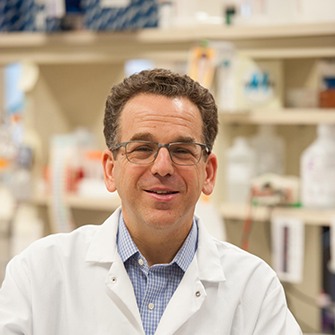
Eric Morrow

Eric Morrow

· Mencoff Family Professor of Biology, Professor of Brain Science, Professor of Neuroscience, Professor of Psychiatry and Human BehaviorVerified

Brown University · Genetics

Active 1930–2026

h-index76
Citations38.8k
Papers30796 last 5y
Funding$61.8M2 active
See your match with Eric Morrow — sign in to PhdFit.Sign in

About

Eric M. Morrow is the Mencoff Family Professor of Biology, as well as a Professor of Brain Science, Neuroscience, Psychiatry and Human Behavior at Brown University. He received his PhD in genetics and neurodevelopment from Harvard University, his MD from the Health Science Training Program at MIT and Harvard Medical School, and completed further clinical and scientific training in neurology and psychiatry at Harvard Medical School. His research focuses on the genetic and molecular mechanisms underlying disorders of cognitive development, such as autism and intellectual disability. The laboratory investigates mechanisms in neuronal organelles, including endosomes, lysosomes, and mitochondria, as well as neurometabolism, with a particular emphasis on novel human neurogenetic syndromes like Christianson Syndrome and GPT2 Deficiency. These studies aim to understand mechanisms of neuronal vulnerability and neurodegeneration, and to develop molecular therapies for neurogenetic disorders. His work has been funded by NIMH, NINDS, and NIA. Dr. Morrow's research bridges campus and medical school efforts at Brown, and he is actively involved in mentoring students and junior faculty, with a focus on translating genetic and molecular insights into improved diagnosis and treatment interventions for neurodevelopmental disorders.

Research topics

  • Genetics
  • Biology
  • Psychology
  • Medicine
  • Neuroscience
  • Demography
  • Environmental health
  • Evolutionary biology
  • Pathology
  • Developmental psychology
  • Pediatrics
  • Geography
  • Psychiatry
  • Computational biology

Selected publications

  • Endosome maturation is orchestrated by inside-out proton signaling through a Na<sup>+</sup>/H<sup>+</sup> exchanger and pH-dependent Rab GTPase cycling.

    PubMed · 2026-05-08

    articleSenior author

    Endosome maturation requires lumen acidification. Is progressive lumen acidification sensed by cytosolic-side molecules driving maturation? We show here that proton efflux through the endosomal Na⁺/H⁺ Exchanger (NHE6) activates the late endosome master regulator Rab7. Importantly, NHE6 is mutated in the childhood neurologic disorder Christianson Syndrome. We demonstrate that NHE6 interacts with the Rab7 GTPase-activating protein (GAP) TBC1D5 in a complex with Rab7 on the late endosome. This interaction and proton efflux are both required for Rab7 activation. TBC1D5 is potently inactivated with decreasing pH. A conserved histidine in the TBC1D5 GAP domain mediates pH-dependence. Furthermore, we show that neurons from mice engineered with a selective defect in NHE6 proton efflux exhibit blocked endosome maturation and disrupted Rab7 GTP-GDP cycling. In addition, knock-down of TBC1D5, thereby reducing Rab7 GAP activity, in NHE6 mutant neurons rescues Rab7 GTP-GDP cycling and endosome maturation. Finally, we present a biophysical model of proton signaling through acidic pH microdomains within the NHE6-TBC1D5-Rab7 protein complex upon endosome acidification. In conclusion, our studies provide evidence supporting a mechanism involving "inside-out" proton signaling, whereby lumen acidification drives endosome maturation through pH-dependent Rab GTPase cycling. Failure in this mechanism may have broad impact in neurodegenerative disease.

  • TBC1D5-Rab7-NHE6 Proton Diffusion Model

    Open MIND · 2026-03-14

    otherOpen accessSenior author

    This repository contains computational models and analyses for studying proton diffusion in the TBC1D5-Rab7-NHE6 protein complex. The project investigates how protons released from NHE6 (Na+/H+ exchanger 6) diffuse through the complex to reach the pH sensor site in TBC1D5 (Rab7 GTPase-activating protein).

  • Endosome maturation is orchestrated by inside-out proton signaling through a Na+/H+ exchanger and pH-dependent Rab GTPase cycling

    Research Square · 2026-02-04

    preprintOpen access1st authorCorresponding
  • TBC1D5-Rab7-NHE6 Proton Diffusion Model

    Zenodo (CERN European Organization for Nuclear Research) · 2026-03-14

    otherOpen accessSenior author

    This repository contains computational models and analyses for studying proton diffusion in the TBC1D5-Rab7-NHE6 protein complex. The project investigates how protons released from NHE6 (Na+/H+ exchanger 6) diffuse through the complex to reach the pH sensor site in TBC1D5 (Rab7 GTPase-activating protein).

  • Later Age of Autism Diagnosis in Children with Multiple Co-Occurring Psychiatric Disorders

    medRxiv · 2025-10-24 · 1 citations

    preprintOpen accessSenior authorCorresponding

    PURPOSE: In children with autism spectrum disorder (ASD), early diagnosis permits early access to therapeutic interventions which may improve outcomes. Factors affecting the age of diagnosis in ASD are not fully understood. METHODS: Here, two large independent datasets were analyzed to investigate age of autism diagnosis and co-occurring psychiatric conditions, including bipolar disorder, depressive disorder, anxiety disorder, obsessive-compulsive disorder, attention deficit hyperactivity disorder, oppositional defiant disorder, and conduct disorder. Clinical characteristics examined included demographics, verbal status, intellectual disability, restricted/repetitive behaviors, adaptive behaviors, and psychiatric medication use. RESULTS: Over 50,000 participants with ASD were analyzed from the Rhode Island Consortium for Autism Research and Treatment study (RI-CART; n=823) and the Simons Foundation Powering Autism Research for Knowledge (SPARK) database (n=52,611). In RI-CART, age of diagnosis differed between those with no co-occurring conditions (mean age at diagnosis = 4.3 years), those with one or two co-occurring conditions (7.1 years), and those with three or more co-occurring conditions (8.5 years; p<.001). This pattern was observed in the SPARK database (age of diagnosis 4, 7.1, and 10 years, respectively; p<.001). Controlling for age, sex, and symptom severity, more co-occurring psychiatric conditions was associated with later age of ASD diagnoses in both samples. Depression and ADHD were associated with later ASD diagnoses; OCD and ID were associated with earlier ASD diagnoses. CONCLUSION: These findings indicate that those children with high co-occurring psychiatric conditions, who are ultimately diagnosed with ASD, experience later diagnosis. This group of children may represent a distinct subtype of autism.

  • Later Age of Autism Diagnosis in Children with Multiple Co-Occurring Psychiatric Disorders

    Journal of Autism and Developmental Disorders · 2025-11-17 · 1 citations

    articleOpen accessSenior author

    PURPOSE: In children with autism spectrum disorder (ASD), early diagnosis permits early access to therapeutic interventions which may improve outcomes. Factors affecting the age of diagnosis in ASD are not fully understood. METHODS: Here, two large independent datasets were analyzed to investigate age of autism diagnosis and co-occurring psychiatric conditions, including bipolar disorder, depressive disorder, anxiety disorder, obsessive-compulsive disorder, attention deficit hyperactivity disorder, oppositional defiant disorder, and conduct disorder. Clinical characteristics examined included demographics, verbal status, intellectual disability, restricted/repetitive behaviors, adaptive behaviors, and psychiatric medication use. RESULTS: Over 50,000 participants with ASD were analyzed from the Rhode Island Consortium for Autism Research and Treatment study (RI-CART; n = 823) and the Simons Foundation Powering Autism Research for Knowledge (SPARK) database (n = 52,611). In RI-CART, age of diagnosis differed between those with no co-occurring conditions (mean age at diagnosis = 4.3 years), those with one or two co-occurring conditions (7.1 years), and those with three or more co-occurring conditions (8.5 years; p < .001). This pattern was observed in the SPARK database (age of diagnosis 4, 7.1, and 10 years, respectively; p < .001). Controlling for age, sex, and symptom severity, more co-occurring psychiatric conditions was associated with later age of ASD diagnoses in both samples. Depression and ADHD were associated with later ASD diagnoses; OCD and ID were associated with earlier ASD diagnoses. CONCLUSION: These findings indicate that those children with high co-occurring psychiatric conditions, who are ultimately diagnosed with ASD, experience later diagnosis. This group of children may represent a distinct subtype of autism.

  • A transcriptional biosensor reveals mechanisms of α-ketoglutarate signaling to chromatin

    bioRxiv (Cold Spring Harbor Laboratory) · 2025-04-07

    preprint

    Abstract Alpha-ketoglutarate (αKG) is required for chromatin demethylation but mechanisms controlling αKG abundance in the nucleus are poorly defined. Therefore, we designed a biosensor system to monitor this metabolite pool in human cells using an αKG-responsive cyanobacterial transcription factor, NtcA. We then coupled this system with a genetic screen to identify genes that regulate αKG in the nucleus, defining an inter-organelle pathway in which sequential mitochondrial activities of the GPT2 transaminase and SLC25A11 transporter supply nuclear αKG. Using a mouse model of GPT2 deficiency, a human inborn error of metabolism, we found that this pathway controls chromatin methylation in the developing brain. Our work provides a tool to assess αKG signaling to chromatin and a framework for leveraging forward genetics to study nuclear metabolite pools.

  • Christianson Syndrome Family Experiences: Results From Caregiver Interviews

    Journal of Child Neurology · 2025-04-02 · 1 citations

    articleOpen accessSenior authorCorresponding

    Background: Christianson syndrome is a rare X-linked disorder characterized by intellectual and developmental disability, epilepsy, and regressions, requiring lifelong care. This study explored family experiences and treatment priorities from the caregiver perspectives. Methods: Qualitative semistructured interviews were conducted with 18 caregivers of 20 patients (aged 4-29 years) to discuss symptom onset, diagnosis, progression, coping, and priorities. Transcripts were thematically analyzed. Results: Initial symptoms included seizures, delayed developmental milestones, and lack of speech. Caregivers described sadness, anger, and feeling overwhelmed after diagnosis. Concerns included seizures, communication challenges, and sleep disruptions. Only half reported robust support networks. Coping strategies included exercise, work, and partner support. Despite challenges, caregivers highlighted the happy, affectionate demeanors of the children. Caregivers emphasized connecting with other families and prioritized treatments for seizures, communication, and preventing regressions. Conclusions: These findings reflect caregiver experiences, enhance knowledge of Christianson syndrome impacts, and highlight common challenges for families managing disabilities.

  • The pancreatic β-cell incretin response is modulated by mitochondrial transaminase GPT2

    Research Square · 2025-06-30

    preprintOpen access
  • Loss of mitochondrial enzyme GPT2 leads to reprogramming of synaptic glutamate metabolism

    Molecular Brain · 2024-11-27 · 4 citations

    articleOpen accessSenior author

    Recessive loss-of-function mutations in the mitochondrial enzyme Glutamate Pyruvate Transaminase 2 (GPT2) cause intellectual disability in children. Given this cognitive disorder, and because glutamate metabolism is tightly regulated to sustain excitatory neurotransmission, here we investigate the role of GPT2 in synaptic function. GPT2 catalyzes a reversible reaction interconverting glutamate and pyruvate with alanine and alpha-ketoglutarate, a TCA cycle intermediate; thereby, GPT2 may play an important role in linking mitochondrial tricarboxylic acid (TCA) cycle with synaptic transmission. In mouse brain, we find that GPT2 is enriched in mitochondria of synaptosomes (isolated synaptic terminals). Loss of Gpt2 in mouse appears to lead to reprogramming of glutamate and glutamine metabolism, and to decreased glutamatergic synaptic transmission. Whole-cell patch-clamp recordings in pyramidal neurons of CA1 hippocampal slices from Gpt2-null mice reveal decreased excitatory post-synaptic currents (mEPSCs) without changes in mEPSC frequency, or importantly, changes in inhibitory post-synaptic currents (mIPSCs). Additional evidence of defective glutamate release included reduced levels of glutamate released from Gpt2-null synaptosomes measured biochemically. Glutamate release from synaptosomes was rescued to wild-type levels by alpha-ketoglutarate supplementation. Additionally, we observed evidence of altered metabolism in isolated Gpt2-null synaptosomes: decreased TCA cycle intermediates, and increased glutamate dehydrogenase activity. Notably, alterations in the TCA cycle and the glutamine pool were alleviated by alpha-ketoglutarate supplementation. In conclusion, our data support a model whereby GPT2 mitochondrial activity may contribute to glutamate availability in pre-synaptic terminals, thereby highlighting potential interactions between pre-synaptic mitochondrial metabolism and synaptic transmission.

Recent grants

Frequent coauthors

  • M Schmidt

    Brown University

    197 shared
  • Matthew F. Pescosolido

    Brandeis University

    160 shared
  • Christopher A. Walsh

    Mount Sinai Hospital

    154 shared
  • Li Ma

    Brown University

    113 shared
  • Brian C. Kavanaugh

    Brown University

    107 shared
  • Ece D. Gamsiz Uzun

    John Brown University

    102 shared
  • Qing Ouyang

    Brown University

    94 shared
  • Jennifer N. Partlow

    Howard Hughes Medical Institute

    88 shared

Labs

Education

  • Ph.D., genetics and neurodevelopment

    Harvard University

  • M.D., Health Science Training (HST) Program

    Massachusetts Institute of Technology and Harvard Medical School

Awards & honors

  • 2011-2012 Psychiatry Research Mentor Award from the Departme…
  • Resume-aware match score
  • Save to shortlist
  • AI-drafted outreach

See your match with Eric Morrow

PhdFit ranks faculty by your research interests, methods, and publications — grounded in their actual work, not templates.

  • Free to start
  • No credit card
  • 30-second signup