
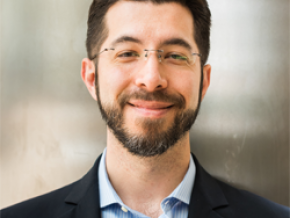
Edward Stuart Boyden
· Tan Professor of NeurotechnologyMassachusetts Institute of Technology · Psychology
Active 1994–2026
Academic metrics are sourced from OpenAlex and public funding records; values may differ from Google Scholar.
About
Edward Stuart Boyden is the Y. Eva Tan Professor in Neurotechnology at MIT, an investigator of the Howard Hughes Medical Institute, and a faculty member of the MIT McGovern Institute for Brain Research. He leads the Synthetic Neurobiology Group, which develops tools for analyzing and repairing complex biological systems such as the brain. His work involves creating technologies including expansion microscopy for nanoscale imaging, optogenetic tools for neural activation and silencing with light, robotic methods for directed evolution to generate new synthetic biology reagents, noninvasive focal brain stimulation techniques, and nanofabrication methods using shrinking of patterned materials. He co-directs the MIT Center for Neurobiological Engineering and is involved with several other research centers at MIT. Boyden's research aims to systematically analyze brain circuits, reveal fundamental mechanisms of brain function, and develop ground-truth therapeutic strategies for neurological and psychiatric disorders. His background includes a Ph.D. in neurosciences from Stanford University, where he discovered that the molecular mechanisms used to store memory are determined by the content to be learned, and he co-invented optogenetic control of neurons. He studied chemistry at the Texas Academy of Math and Science and earned degrees in electrical engineering, computer science, and physics from MIT. His long-term goal is to understand how the brain generates the mind to provide a…
Research topics
- Biology
- Computer Science
- Neuroscience
- Genetics
- Physics
- Chemistry
- Cell biology
- Artificial Intelligence
- Computational biology
- Psychology
Selected publications
Autism genes converge on asynchronous development of shared neuron classes
Nature · 2022 · 454 citations
Expansion sequencing: Spatially precise in situ transcriptomics in intact biological systems
Science · 2021 · 411 citations
Methods for highly multiplexed RNA imaging are limited in spatial resolution and thus in their ability to localize transcripts to nanoscale and subcellular compartments. We adapt expansion microscopy, which physically expands biological specimens, for long-read untargeted and targeted in situ RNA sequencing. We applied untargeted expansion sequencing (ExSeq) to the mouse brain, which yielded the readout of thousands of genes, including splice variants. Targeted ExSeq yielded nanoscale-resolution…
Multisensory gamma stimulation promotes glymphatic clearance of amyloid
Nature · 2024 · 287 citations
. Here we show that multisensory gamma stimulation promotes the influx of cerebrospinal fluid and the efflux of interstitial fluid in the cortex of the 5XFAD mouse model of Alzheimer's disease. Influx of cerebrospinal fluid was associated with increased aquaporin-4 polarization along astrocytic endfeet and dilated meningeal lymphatic vessels. Inhibiting glymphatic clearance abolished the removal of amyloid by multisensory 40 Hz stimulation. Using chemogenetic manipulation and a genetically encod…
In situ genome sequencing resolves DNA sequence and structure in intact biological samples
Science · 2021 · 209 citations
Understanding genome organization requires integration of DNA sequence and three-dimensional spatial context; however, existing genome-wide methods lack either base pair sequence resolution or direct spatial localization. Here, we describe in situ genome sequencing (IGS), a method for simultaneously sequencing and imaging genomes within intact biological samples. We applied IGS to human fibroblasts and early mouse embryos, spatially localizing thousands of genomic loci in individual nuclei. Usin…
Cell · 2020 · 163 citations
Recent grants
CAREER: A Neurophotonic Platform for Causal Brain Analysis
NSF · $400k · 2011–2016
High throughput assaying of circuit activity and connectivity in brain organoids
NIH · $2.5M · 2020–2024
NIH · $4.4M · 2018
Frequent coauthors
- 172 shared
Ruixuan Gao
University of Illinois Urbana-Champaign
- 170 shared
Kiryl D. Piatkevich
Westlake University
- 159 shared
Asmamaw T. Wassie
University of Pennsylvania
- 157 shared
Craig R. Forest
Massachusetts Institute of Technology
- 147 shared
Ilya Kolb
Janelia Research Campus
- 134 shared
Anubhav Sinha
McGovern Institute for Brain Research
- 126 shared
William Stoy
Columbia University
- 125 shared
Shahar Alon
Bar-Ilan University
Labs
Synthetic Neurobiology GroupPI
Awards & honors
- Wilhelm Exner Medal (2020)
- Croonian Medal (2019)
- Lennart Nilsson Award (2019)
- Warren Alpert Foundation Prize (2019)
- Rumford Prize (2019)
Similar researchers at Massachusetts Institute of Technology
- Resume-aware match score
- Save to shortlist
- AI-drafted outreach
See your match with Edward Stuart Boyden
PhdFit ranks faculty by your research interests, methods, and publications — grounded in their actual work, not templates.
- Free to start
- No credit card
- 30-second signup