About
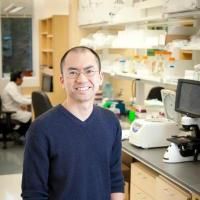
Dennis Ko is an Associate Professor in the Department of Molecular Genetics and Microbiology at Duke University. He also holds positions as an Associate Professor of Cell Biology, an Associate Professor in Medicine, and is an Associate of the Duke Initiative for Science & Society. His research focuses on molecular genetics and microbiology, contributing to the understanding of host-microbial interactions, virology, and microbiome science. Based at the CARL Building in Durham, North Carolina, Dr. Ko is involved in advancing research through his lab, the Ko Lab, and participates in various centers and cores related to microbiome and virology studies.
Research topics
- Biology
- Genetics
- Virology
- Medicine
- Microbiology
- Immunology
- Bioinformatics
- Computational biology
- Cell biology
Selected publications
Human Molecular Genetics · 2026-01-01
articleOpen accessSenior authorHumans display sexual dimorphism across many traits, but little is known about underlying genetic mechanisms and impacts on disease. We utilized single-cell RNA-seq of 480 lymphoblastoid cell lines (LCLs) to identify 1200 genes with significantly sex-biased expression. While reproducibility was highest among LCL datasets, 71% were found to be sex-biased in at least one GTEx tissue, with a core dataset of 21 genes displaying sex-biased expression across all datasets and tissues examined. While 7.7% of sex-biased genes can be directly explained by differences in the number of sex chromosomes, most sex-biased genes (79%) are targets of transcription factors that display sex-biased expression. FOSL1, ZNF730, ZFX, and ZNF726 appear to make the largest contribution to this based on machine learning and linear modeling approaches, and all four of these transcription factors are regulated by the number of X chromosomes. Further, by testing the difference in genetic effect size (β) of conditionally independent expression quantitative trait loci (eQTL) identified in each sex separately, we identified 2390 sex-biased eQTL (sb-eQTL) across the genome, but evidence of replication in an independent dataset was modest. However, permutation analysis demonstrated that sb-eQTL identified using real sex was more likely to have concordant direction of effect. Further exploratory analysis revealed that these sb-eQTL are enriched in over 100 GWAS phenotypes, including many loci associated with female-biased autoimmune diseases such as multiple sclerosis. Our results demonstrate widespread genetic impacts on sexual dimorphism and identify possible mechanisms and clinical targets for sex differences in diverse diseases.
Research Square · 2026-01-06
preprintOpen accessSenior authorNature Communications · 2025-03-28 · 29 citations
articleOpen accessSenescent hepatocytes accumulate in metabolic dysfunction-associated steatotic liver disease (MASLD) and are linked to worse clinical outcomes. However, their heterogeneity and lack of specific markers have made them difficult to target therapeutically. Here, we define a senescent hepatocyte gene signature (SHGS) using in vitro and in vivo models and show that it tracks with MASLD progression/regression across mouse models and large human cohorts. Single-nucleus RNA-sequencing and functional studies reveal that SHGS+ hepatocytes originate from p21+ cells, lose key liver functions and release factors that drive disease progression. One such factor, GDF15, increases in circulation alongside SHGS+ burden and disease progression. Through chemical screening, we identify senolytics that selectively eliminate SHGS+ hepatocytes and improve MASLD in male mice. Notably, SHGS enrichment also correlates with dysfunction in other organs. These findings establish SHGS+ hepatocytes as key drivers of MASLD and highlight a potential therapeutic strategy for targeting senescent cells in liver disease and beyond. MASLD is a growing global health concern. Here, the authors define a senescent hepatocyte gene signature (SHGS), demonstrate its clinical relevance, and identify senolytic therapies that selectively eliminate SHGS+ hepatocytes to improve MASLD and systemic health.
Cathepsin Z is a conserved susceptibility factor underlying tuberculosis severity
PLoS Biology · 2025-09-09 · 3 citations
articleOpen accessCorrespondingTuberculosis (TB) outcomes vary widely, from asymptomatic infection to mortality, yet most animal models do not recapitulate human phenotypic and genotypic variation. The genetically diverse Collaborative Cross mouse panel models distinct facets of TB disease that occur in humans and allows identification of genomic loci underlying clinical outcomes. We previously mapped a TB susceptibility locus on mouse chromosome 2. Here, we identify cathepsin Z (Ctsz) as a lead candidate underlying this TB susceptibility and show that Ctsz ablation leads to increased bacterial burden, pulmonary inflammation and decreased survival in mice. Ctsz disturbance within murine macrophages enhances production of chemokine (C-X-C motif) ligand 1 (CXCL1), a known biomarker of TB severity. From a Ugandan household contact study, we identify significant associations between CTSZ variants and TB disease severity. Finally, we examine patient-derived TB granulomas and report CTSZ localization within granuloma-associated macrophages, placing human CTSZ at the host-pathogen interface. These findings implicate a conserved CTSZ-CXCL1 axis in humans and genetically diverse mice that mediates TB disease severity.
Nature Communications · 2025-05-06 · 3 citations
erratumOpen accessCathepsin Z is a conserved susceptibility factor underlying tuberculosis severity
bioRxiv (Cold Spring Harbor Laboratory) · 2025-04-01
preprintOpen accessAbstract Tuberculosis (TB) outcomes vary widely, from asymptomatic infection to mortality, yet most animal models do not recapitulate human phenotypic and genotypic variation. The genetically diverse Collaborative Cross mouse panel models distinct facets of TB disease that occur in humans and allows identification of genomic loci underlying clinical outcomes. We previously mapped a TB susceptibility locus on mouse chromosome 2. Here, we identify cathepsin Z ( Ctsz ) as a lead candidate underlying this TB susceptibility and show that Ctsz ablation leads to increased bacterial burden, CXCL1 overproduction, and decreased survival in mice. Ctsz disturbance within murine macrophages enhances production of CXCL1, a known biomarker of TB severity. From a Ugandan household contact study, we identify significant associations between CTSZ variants and TB disease severity. Finally, we examine patient-derived TB granulomas and report CTSZ localization within granuloma-associated macrophages, placing human CTSZ at the host-pathogen interface. These findings implicate a conserved CTSZ-CXCL1 axis in humans and genetically diverse mice that mediates TB disease severity.
The Journal of Infectious Diseases · 2025-05-22 · 1 citations
articleBACKGROUND: Escherichia coli has an extensive accessory genome, though its role in affecting patient mortality is unknown. METHODS: We performed whole genome sequencing with E. coli bacteremia isolates. Pan-genome analysis was used to identify flexible genomic islands associated with in-hospital attributable mortality. Genomic islands of interest were investigated experimentally. RESULTS: We included 193 E. coli genomes. Two genomic islands were co-present within 41 (21%) genomes and associated with increased attributable mortality in an adjusted analysis (Odds ratio 3.0; 95% confidence interval 1.1-7.9; p=0.03). The two genomic islands together contain genes homologous to a type III secretion system (T3SS): 1) E. coli type III secretion system 2 (ETT2), encoding genes homologous to a T3SS basal body and needle complex, and 2) an ETT2 accessory region (ETT2-AR) encoding genes homologous to a T3SS needle tip, translocases, and adhesin. ETT2/ETT2-AR increased resistance to complement-mediated growth restriction by inhibiting classical complement pathway activation and impacted E. coli-host cell interactions by increasing adhesion to and death of mammalian cells. CONCLUSIONS: Genomic islands ETT2 and ETT2-AR are homologous to a T3SS, co-localize within specific E. coli lineages, associate with increased mortality, and increase bacterial virulence through resistance to complement and enhanced host cell adhesion and death.
Human Genetics and Genomics Advances · 2025-01-27 · 3 citations
articleOpen accessSenior authorMost genetic variants identified through genome-wide association studies (GWASs) are suspected to be regulatory in nature, but only a small fraction colocalize with expression quantitative trait loci (eQTLs, variants associated with expression of a gene). Therefore, it is hypothesized but largely untested that integration of disease GWAS with context-specific eQTLs will reveal the underlying genes driving disease associations. We used colocalization and transcriptomic analyses to identify shared genetic variants and likely causal genes associated with critically ill COVID-19 and idiopathic pulmonary fibrosis. We first identified five genome-wide significant variants associated with both diseases. Four of the variants did not demonstrate clear colocalization between GWAS and healthy lung eQTL signals. Instead, two of the four variants colocalized only in cell type- and disease-specific eQTL datasets. These analyses pointed to higher ATP11A expression from the C allele of rs12585036, in monocytes and in lung tissue from primarily smokers, which increased risk of idiopathic pulmonary fibrosis (IPF) and decreased risk of critically ill COVID-19. We also found lower DPP9 expression (and higher methylation at a specific CpG) from the G allele of rs12610495, acting in fibroblasts and in IPF lungs, and increased risk of IPF and critically ill COVID-19. We further found differential expression of the identified causal genes in diseased lungs when compared to non-diseased lungs, specifically in epithelial and immune cell types. These findings highlight the power of integrating GWASs, context-specific eQTLs, and transcriptomics of diseased tissue to harness human genetic variation to identify causal genes and where they function during multiple diseases.
Human genetic variation reveals FCRL3 is a lymphocyte receptor for Yersinia pestis
Cell Genomics · 2025-06-09 · 2 citations
articleOpen accessSenior author). Overexpressed FCRL3 facilitated attachment and invasion of Y. pestis and colocalized with Y. pestis at attachment sites. These properties were variably conserved across the FCRL family, revealing an immunoglobulin-like domain and signaling motifs shared by FCRL3 and FCRL5 to be necessary for attachment and invasion. Direct binding to FCRL5 extracellular domain was confirmed, and B cells (the primary cells that express FCRLs) were preferentially invaded by Y. pestis. Thus, Y. pestis hijacks FCRL proteins, possibly taking advantage of an immune receptor to create a lymphocyte niche during infection.
Cell Reports · 2025-04-01 · 3 citations
articleOpen accessSenior authorSalmonella causes ∼1 million cases of gastroenteritis annually in the United States. Critical to virulence are secreted effectors that reprogram host functions. We previously discovered the effector SarA facilitates phosphorylation of STAT3, inducing expression of the anti-inflammatory cytokine interleukin-10 (IL-10). This STAT3 activation requires a region of homology with the host cytokine receptor gp130. Here, we demonstrate that a single amino acid difference is critical for the anti-inflammatory bias of SarA-STAT3 signaling. An isoleucine at pY+1 of the YxxQ motif in SarA (which binds the STAT3 SH2 domain) causes increased STAT3 recruitment and phosphorylation, biasing toward anti-inflammatory targets. This isoleucine renders SarA a better substrate for tyrosine phosphorylation by GSK-3. GSK-3 is canonically a serine/threonine kinase that nonetheless undergoes tyrosine autophosphorylation at a motif with isoleucine at the pY+1 position. Our results provide a molecular basis for how a Salmonella effector achieves supraphysiological levels of STAT3 activation to control host genes.
Recent grants
NIH · $262k · 2015
HUMAN GENETIC VARIATION REGULATING SALMONELLA HOST-PATHOGEN INTERACTIONS AND DISEASE SUSCEPTIBILITY
NIH · $4.2M · 2015–2025
AN ATLAS OF SHARED GENETIC ARCHITECTURE CONNECTING CELL BIOLOGY AND HUMAN DISEASE
NIH · $440k · 2018–2021
SALMONELLA HIJACKING OF STAT3 AND CONSEQUENCES FOR DISEASE
NIH · $428k · 2019–2022
Serologic Biomarkers of Human Sexually Transmitted Infection and Disease
NIH · $47.7M · 2021
Frequent coauthors
- 71 shared
Liuyang Wang
Duke University
- 36 shared
Elizabeth R. Hauser
Durham VA Health Care System
- 30 shared
Christopher W. Woods
Duke Medical Center
- 29 shared
Ephraim L. Tsalik
Danaher (United States)
- 25 shared
Alejandro L. Antonia
Duke Medical Center
- 25 shared
Micah T. McClain
Duke University
- 20 shared
Emily R. Ko
Duke University
- 16 shared
David M. Tobin
Duke University
Labs
Ko LabPI
- Resume-aware match score
- Save to shortlist
- AI-drafted outreach
See your match with Dennis Ko
PhdFit ranks faculty by your research interests, methods, and publications — grounded in their actual work, not templates.
- Free to start
- No credit card
- 30-second signup