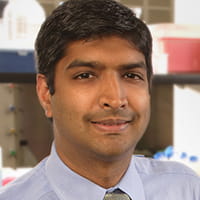
Amit Agrawal
· MDVerifiedOhio State University · Otolaryngology
Active 1992–2026
Research topics
- Computer Security
- Computer Science
- Physics
- Telecommunications
- Mathematics
- Optics
- Mathematical analysis
Selected publications
Intracranial nail insertion as a manoeuvre of witchcraft
2026-01-01
articleOpen access1st authorCorrespondingThree-Dimensional Magneto-Optical Trap Beam Delivery with Scalable Wafer-Level Optics
ACS Photonics · 2026-04-29
articleOpen accessSenior authorSuccessful Conservative Management of Emphysematous Cystitis Following COVID-19 Infection
Cureus · 2026-05-14
articleOpen accessEmphysematous cystitis (EC) is a rare, potentially life-threatening urinary tract infection characterized by gas within the bladder wall or lumen due to gas-forming organisms. It most commonly occurs in patients with uncontrolled diabetes mellitus. Reports following COVID-19 remain limited. A 56-year-old male presented five weeks after recovery from COVID-19 pneumonia with fever, flank pain, and lower abdominal pain. Investigations revealed severe hyperglycemia, leukocytosis, and pyuria. CT of the kidneys, ureters, and bladder demonstrated intramural gas with anterior bladder wall dehiscence. Urine culture grew Enterococcus faecalis. The patient was managed conservatively with bladder drainage, glycemic control, and prolonged culture-directed antibiotics. Despite extensive disease, he remained clinically stable and showed complete recovery on follow-up imaging. This case highlights that conservative management can be successful even in extensive EC with bladder wall involvement in carefully selected, stable patients. The temporal association with COVID-19 is noted, but causality cannot be established.
Matrix Science Medica · 2025-10-01
articleOpen accessSenior authorDear Editor, The middle meningeal artery (MMA) has been proposed to play a crucial role in thermoregulation, which is essential for maintaining intracranial homeostasis [Figure 1]. This function is particularly important in patients with neurotrauma, as highlighted in Falk’s “radiator” theory.[1] Traumatic brain injury (TBI) often leads to secondary brain injury, where underlying physiological processes, including vascular function and temperature regulation, significantly influence outcomes. Understanding the role of the MMA can help speculate on how its potential alterations might be linked to clinical outcomes in patients with neurotrauma. Falk’s theory suggests that the MMA serves as a key player in regulating brain temperature, an effect amplified by the bipedal posture that results in increased cranial heat.[2] The MMA acts as a vascular radiator, allowing for heat dissipation and helping maintain stable brain temperatures, especially in the face of increased metabolic demands associated with brain activity. This is critical because brain tissue is highly sensitive to temperature changes, and even slight elevations in temperature can exacerbate neuronal damage, particularly in TBIs.Figure 1: The middle meningeal artery as a central player in thermoregulation within the brainThe role of the MMA in neurotrauma has been extensively recognized, but in contrast, the pathophysiological concepts are few understood.[3] In neurotrauma, especially in cases of TBI or in endovascular neurosurgery, dural arteriovenous fistulas (DAVFs), the MMA’s function becomes a central point of interest. The MMA supplies blood to both the meninges and parts of the skull, and its disruption can alter intracranial hemodynamics. Since it is involved in the cerebral circulation, any damage or obliteration of this artery – whether from trauma, surgical intervention, or a vascular anomaly – may disturb cerebral perfusion and lead to secondary injury. Other research suggests that the meningeal vascular network is unlikely to serve a thermoregulatory role in normal adult blood flow conditions, yet its potential biomechanical functions, such as acting as a hydraulic skeleton for shock absorption, remain plausible.[4] Regarding the temperature regulation and the impact on brain injury, the thermoregulatory function of the MMA becomes even more relevant in the setting of neurotrauma. Brain injuries lead to increased metabolic activity, raising the brain’s temperature. A dysfunctional MMA may impair heat dissipation, leading to elevated temperatures that can worsen injury. In this regard, the MMA may serve as a natural buffer, limiting the extent of neuronal damage by assisting in the regulation of intracranial temperature.[5] Regarding the temperature regulation and the impact on brain injury, the thermoregulatory function of the MMA becomes even more relevant in the setting of neurotrauma. Brain injuries lead to increased metabolic activity, raising the brain’s temperature. A dysfunctional MMA may impair heat dissipation, leading to elevated temperatures that can worsen injury. In this regard, the MMA may serve as a natural buffer, limiting the extent of neuronal damage by assisting in the regulation of intracranial temperature. On the other hand, compensatory mechanisms in the context of dural fistulas, DAVFs are a common vascular complication following trauma.[6] In these conditions, the MMA can be a compensatory mechanism, helping to alleviate the hemodynamic disturbances caused by abnormal venous drainage and maintaining intracranial pressure (ICP). This idea of compensation is in line with the “radiator” theory, where the MMA’s vascular properties extend beyond simple circulation to include regulating ICP and cerebral blood flow in the face of pathological conditions. Another one is secondary brain injury which involves further damage after the initial trauma and is one of the leading causes of poor outcomes in neurotrauma. Adequate control of temperature is one of the key factors in mitigating the secondary injury.[7] Exploring the role of the MMA in thermoregulation could provide an avenue for new clinical interventions to regulate brain temperature through the use of targeted temperature management or hypothermic therapies. Because MMA keeps appropriate hemodynamic compensation and thermoregulation, it may be worthwhile to consider ways that might help preserve MMA function in neurotrauma patients. In the context of surgery, the attempt to either avoid involving the MMA or effectively minimize MMA disruption during craniectomies or surgical repairs of skull fractures may enhance postoperative recovery and decrease complications associated with ICP management. Whether pharmacologically or mechanically, thinking of ways that may be employed to modulate MMA function – either enhancing the compensatory properties of the MMA or improving its thermoregulatory properties – offers hope for substantial improvement in neurotrauma outcomes. Enhancing vascular tone or diminishing inflammatory responses within the MMA may reduce secondary brain injury and prevent further brain injury while optimizing brain perfusion and temperature control. The “radiator” theory postulates that the MMA plays a significant role in regulating brain temperature and compensating for hemodynamic disruption, both elements that are critical for the context of neurotrauma. The implication of this theory will add greater insight into the pathophysiology of the TBI, ICP management, and general thermoregulatory mechanisms which may influence outcomes in patients suffering from neurotrauma [Figure 2]. Further study on the role played by the MMA in hemodynamics and temperature regulation could foster new therapeutic targets directed to these mechanisms to support care and recovery in TBI patients.Figure 2: The middle meningeal artery’s thermoregulatory and hemodynamic roles influence outcomes in traumatic brain injury. MMA: Middle meningeal arteryFinancial support and sponsorship Nil. Conflicts of interest There are no conflicts of interest.
International Journal of Radiation Oncology*Biology*Physics · 2025-09-01
articlePractical Clinical Rules for Predicting Complications after Decompressive Craniectomy
Indian Journal of Neurotrauma · 2025-09-22
articleOpen accessSenior authorJournal of Neurosciences in Rural Practice · 2025-11-06
articleOpen accessSenior authorObjectives: The immune system recognizes antigens expressed on tumor cells and tries to eliminate these cells. The immune system plays an essential role in tumor survival, as explained by the presence of lymphocytic infiltrate, reactive changes in sentinel lymph nodes, and increased incidence of some cancers in immunodeficient people. The immune checkpoints regulate the immune system-mediated tumor cell destruction, and PDL-1(programmed death-ligand 1) is one of these checkpoint inhibitors. We checked the PDL-1 expression in various endocrine tumors. Materials and methods: In the present study, we studied PDL-1 expression in various endocrine organ tumors. Results: Fifty-four cases were studied; 22 pituitary adenoma (PA), 20 papillary carcinoma of thyroid (PTC), two medullary carcinoma of thyroid (MTC), seven parathyroid adenomas, and three paraganglioma/pheochromocytoma. PDL-1 expressed in 50% PTC, 100% MTC, 57.1% in parathyroid adenoma, and 81% pituitary adenoma. None of the paraganglioma/pheochromocytomas expressed PDL-1. Conclusion: PDL-1 expression can be used as a therapeutic immunohistochemistry marker in advanced endocrine tumors if positive, the role of immunotherapy may be explored as similar to breast, lung cancers, and melanoma
The role of catecholamines in aneurysmal subarachnoid hemorrhage: a narrative review
Acute and Critical Care · 2025-11-24 · 1 citations
reviewOpen accessSenior authorThe marked release of catecholamines during subarachnoid hemorrhage is an important aspect of the pathobiology following aneurysmal rupture. This narrative review aims to identify how catecholamines influence aneurysmal subarachnoid hemorrhage (aSAH) outcomes. aSAH is a critical neurological condition characterized by hemorrhage into the subarachnoid space, leading to severe neurological deficits and mortality. Catecholamines, including epinephrine, norepinephrine, and dopamine, are the body's stress responses, which can lead to secondary injuries following aSAH. This review was conducted through a targeted literature search of relevant studies examining the relationship between aSAH, catecholamines, and clinical outcomes. Searches were performed in PubMed, Scopus, The Cochrane Library, Medline (Ovid), Embase (Ovid), and CINAHL, including publications up to July 2024. Search terms combined keywords and subject headings related to "subarachnoid hemorrhage" or "aSAH," "catecholamines," "epinephrine," "norepinephrine," "dopamine," and outcome-related terms such as "prognosis," "mortality," and "neurological outcome." Articles were selected based on relevance, and key findings were synthesized descriptively to provide a comprehensive overview of current knowledge in this area. Elevated levels of catecholamines are observed following aSAH and are associated with increased sympathetic nervous system activity. This catecholamine surge contributes to pathological processes, including vasospasm, blood-brain barrier disruption, cerebral edema, and neuronal damage. The review highlights the implications of catecholamine levels; where higher concentrations correlate with poorer outcomes and higher mortality rates. Understanding the mechanisms responsible for secondary injury due to catecholamines surge following aSAH shall facilitate the development of therapeutic approaches to prevent secondary brain injury and improve outcomes.
Indian Journal of Neurotrauma · 2025-08-09
articleOpen accessSenior authorAccess to HLA-DR Mismatched (MM) Deceased Donor Kidney Transplantation (DDKT) by HLA-DR Haplotype
American Journal of Transplantation · 2025-08-01
articleOpen access
Recent grants
NIH · $289.1M · 1989–2029
DELINEATING THE ROLE OF GENETIC INFLUENCES ON CANNABIS INVOLVEMENT
NIH · $1.1M · 2012–2022
NIH · $2.5M · 2019
Frequent coauthors
- 319 shared
Luis Rafael Moscote‐Salazar
University of Wisconsin–Madison
- 205 shared
Ranabir Pal
- 113 shared
Amrita Ghosh
- 88 shared
Sagar Galwankar
American College of Financial Services
- 86 shared
Ashok Munivenkatappa
National Institute of Epidemiology
- 78 shared
Rakesh Mishra
All India Institute of Medical Sciences Bhopal
- 73 shared
Prashant Bhandarkar
Bhabha Atomic Research Centre
- 64 shared
Harsh Deora
National Institute of Mental Health and Neurosciences
Education
- 2003
MCh, Neurosurgery
NIMHANS
- 2000
MS, General Surgery
Gandhi Medical College
- 1996
MBBS
VSS Medical College and Hospital
- Resume-aware match score
- Save to shortlist
- AI-drafted outreach
See your match with Amit Agrawal
PhdFit ranks faculty by your research interests, methods, and publications — grounded in their actual work, not templates.
- Free to start
- No credit card
- 30-second signup