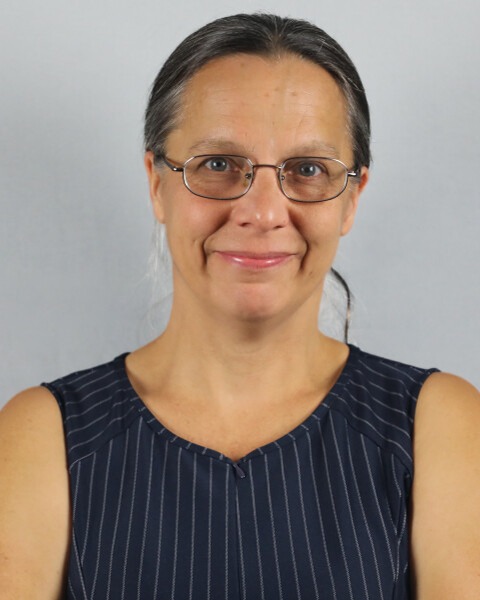
Patience L. Epps
· Dallas TACA Centennial Professor in the HumanitiesVerifiedUniversity of Texas at Austin · Linguistics
Active 2005–2025
About
Patience L. Epps is the Dallas TACA Centennial Professor in the Humanities at the University of Texas at Austin College of Liberal Arts. Her work focuses on descriptive and documentary studies of indigenous Amazonian languages, with particular emphasis on linguistic typology, language contact, and language change. She also researches Amazonian indigenous histories, contributing to the understanding of language and cultural dynamics within these communities.
Research topics
- Computer Science
- Sociology
- Biology
- Linguistics
- Philosophy
- Ecology
- Geography
- Anthropology
- Political Science
- Aesthetics
- Archaeology
- Psychology
Selected publications
Tonogenesis in the Naduhup family of northwest Amazonia
Diachronica · 2025-07-11
articleOpen accessSenior authorAbstract While tone is widely encountered among Amazonian languages, Amazonia has generally been underrepresented in wider studies of tone and tonal diachrony. This paper offers a case study of tonogenesis within the small Naduhup language family of western Amazonia. We propose that Naduhup tonogenesis was grounded in a prior contrast involving vowel length and was linked to coda voicing. Contact with neighboring languages in which tone was already present was also a likely catalyst. In addition to contributing to our understanding of tonogenesis in a part of the world where these processes are not well known, the Naduhup case provides an illustration of how vowel length, coda voicing, and intonation may all play a role in the emergence of tone.
Oxford University Press eBooks · 2025-07-22
book-chapter1st authorCorrespondingAbstract This chapter considers the insights that languages—and the linguistic methodologies used to analyse them—offer into the cultural environment of ancestral speakers, the ways in which these insights intersect with those generated by archaeology and other disciplines, and the caveats that must be taken into account in assessing them. We survey the methods and potential contributions of linguistic approaches to cultural reconstruction on various levels: different domains of language, principally vocabulary, grammar, and discourse; perspectives on the lifeways of past peoples—ranging from material culture and subsistence, to social structure and language ecology, to cultural values and priorities; and finally, processes of transmission, both the ‘vertical’ (involving inheritance within a given sociolinguistic group) and the ‘horizontal’ (relating to contact across groups). Our discussion is aimed at an interdisciplinary audience, including archaeologists and other scholars with an interest in human pasts.
Diachrony and <i>Diachronica</i>
Diachronica · 2024-09-09 · 1 citations
articleCLDF dataset derived from Bowern et al.'s "Hunter - Gatherer Language Database" from 2021
Zenodo (CERN European Organization for Nuclear Research) · 2024-09-24
datasetOpen accessCite the source of the dataset as: Bowern, Claire, Patience Epps, Jane Hill, and Patrick McConvell. Hunter - Gatherer Language Database. https://huntergatherer.la.utexas.edu/ Accessed 2021-04-27.
Finding the origin of domestication of cupuaçu requires more than genomics
2024-04-01
preprintOpen accessColli-Silva et al.1 recently proposed that cupuaçu (Theobroma grandiflorum) was domesticated in northwestern Amazonia as a selection from its sister species, cupuí (T. subincanum). This proposal ignores long-term research in taxonomy, botany, biogeography, and genetics about Theobroma, including cupuaçu. Our review of the research that was ignored and of Colli-Silva et al.’s results demonstrates that cupuaçu is a valid species, as they now agree2, but cupuí may be paraphyletic, the distribution of wild cupuaçu was not included in their samples so the origin of domestication continues unknown, precolonial archaeology lacks remains that can be attributed to either species, historical linguistics indicates that the term cupuaçu references the species’ wild distribution and is a recent introduction in northwestern Amazonia, history suggests that cupuaçu started to be domesticated during the last 100-200 years, and the genomics results are not about the domestication of cupuaçu because it is a valid species and its wild distribution was not sampled.
Zenodo (CERN European Organization for Nuclear Research) · 2023-03-16 · 5 citations
datasetOpen accessCite the source of the dataset as: Skirgård, Hedvig and Haynie, Hannah J. and Blasi, Damián E. and Hammarström, Harald and Collins, Jeremy and Latarche, Jay J. and Lesage, Jakob and Weber, Tobias and Witzlack-Makarevich, Alena and Passmore, Sam and Chira, Angela and Maurits, Luke and Dinnage, Russell and Dunn, Michael and Reesink, Ger and Singer, Ruth and Bowern, Claire and Epps, Patience and Hill, Jane and Vesakoski, Outi and Robbeets, Martine and Abbas, Noor Karolin and Auer, Daniel and Bakker, Nancy A. and Barbos, Giulia and Borges, Robert D. and Danielsen, Swintha and Dorenbusch, Luise and Dorn, Ella and Elliott, John and Falcone, Giada and Fischer, Jana and Ghanggo Ate, Yustinus and Gibson, Hannah and Göbel, Hans-Philipp and Goodall, Jemima A. and Gruner, Victoria and Harvey, Andrew and Hayes, Rebekah and Heer, Leonard and Herrera Miranda, Roberto E. and Hübler, Nataliia and Huntington-Rainey, Biu and Ivani, Jessica K. and Johns, Marilen and Just, Erika and Kashima, Eri and Kipf, Carolina and Klingenberg, Janina V. and König, Nikita and Koti, Aikaterina and Kowalik, Richard G. A. and Krasnoukhova, Olga and Lindvall, Nora L.M. and Lorenzen, Mandy and Lutzenberger, Hannah and Martins, Tônia R.A. and Mata German, Celia and van der Meer, Suzanne and Montoya Samamé, Jaime and Müller, Michael and Muradoglu, Saliha and Neely, Kelsey and Nickel, Johanna and Norvik, Miina and Oluoch, Cheryl Akinyi and Peacock, Jesse and Pearey, India O.C. and Peck, Naomi and Petit, Stephanie and Pieper, Sören and Poblete, Mariana and Prestipino, Daniel and Raabe, Linda and Raja, Amna and Reimringer, Janis and Rey, Sydney C. and Rizaew, Julia and Ruppert, Eloisa and Salmon, Kim K. and Sammet, Jill and Schembri, Rhiannon and Schlabbach, Lars and Schmidt, Frederick W.P. and Skilton, Amalia and Smith, Wikaliler Daniel and de Sousa, Hilário and Sverredal, Kristin and Valle, Daniel and Vera, Javier and Voß, Judith and Witte, Tim and Wu, Henry and Yam, Stephanie and Ye 葉婧婷, Jingting and Yong, Maisie and Yuditha, Tessa and Zariquiey, Roberto and Forkel, Robert and Evans, Nicholas and Levinson, Stephen C. and Haspelmath, Martin and Greenhill, Simon J. and Atkinson, Quentin D. and Gray, Russell D. (in press). Grambank reveals the importance of genealogical constraints on linguistic diversity and highlights the impact of language loss. Science Advances.
Zenodo (CERN European Organization for Nuclear Research) · 2023-04-19 · 1 citations
datasetOpen accessCite the source of the dataset as: Skirgård, Hedvig and Haynie, Hannah J. and Blasi, Damián E. and Hammarström, Harald and Collins, Jeremy and Latarche, Jay J. and Lesage, Jakob and Weber, Tobias and Witzlack-Makarevich, Alena and Passmore, Sam and Chira, Angela and Maurits, Luke and Dinnage, Russell and Dunn, Michael and Reesink, Ger and Singer, Ruth and Bowern, Claire and Epps, Patience and Hill, Jane and Vesakoski, Outi and Robbeets, Martine and Abbas, Noor Karolin and Auer, Daniel and Bakker, Nancy A. and Barbos, Giulia and Borges, Robert D. and Danielsen, Swintha and Dorenbusch, Luise and Dorn, Ella and Elliott, John and Falcone, Giada and Fischer, Jana and Ghanggo Ate, Yustinus and Gibson, Hannah and Göbel, Hans-Philipp and Goodall, Jemima A. and Gruner, Victoria and Harvey, Andrew and Hayes, Rebekah and Heer, Leonard and Herrera Miranda, Roberto E. and Hübler, Nataliia and Huntington-Rainey, Biu and Ivani, Jessica K. and Johns, Marilen and Just, Erika and Kashima, Eri and Kipf, Carolina and Klingenberg, Janina V. and König, Nikita and Koti, Aikaterina and Kowalik, Richard G. A. and Krasnoukhova, Olga and Lindvall, Nora L.M. and Lorenzen, Mandy and Lutzenberger, Hannah and Martins, Tônia R.A. and Mata German, Celia and van der Meer, Suzanne and Montoya Samamé, Jaime and Müller, Michael and Muradoglu, Saliha and Neely, Kelsey and Nickel, Johanna and Norvik, Miina and Oluoch, Cheryl Akinyi and Peacock, Jesse and Pearey, India O.C. and Peck, Naomi and Petit, Stephanie and Pieper, Sören and Poblete, Mariana and Prestipino, Daniel and Raabe, Linda and Raja, Amna and Reimringer, Janis and Rey, Sydney C. and Rizaew, Julia and Ruppert, Eloisa and Salmon, Kim K. and Sammet, Jill and Schembri, Rhiannon and Schlabbach, Lars and Schmidt, Frederick W.P. and Skilton, Amalia and Smith, Wikaliler Daniel and de Sousa, Hilário and Sverredal, Kristin and Valle, Daniel and Vera, Javier and Voß, Judith and Witte, Tim and Wu, Henry and Yam, Stephanie and Ye 葉婧婷, Jingting and Yong, Maisie and Yuditha, Tessa and Zariquiey, Roberto and Forkel, Robert and Evans, Nicholas and Levinson, Stephen C. and Haspelmath, Martin and Greenhill, Simon J. and Atkinson, Quentin D. and Gray, Russell D. (in press). Grambank reveals the importance of genealogical constraints on linguistic diversity and highlights the impact of language loss. Science Advances.
CLDF dataset derived from Bowern et al.'s "Hunter - Gatherer Language Database" from 2021
Zenodo (CERN European Organization for Nuclear Research) · 2023-12-21
datasetOpen accessCite the source of the dataset as: Bowern, Claire, Patience Epps, Jane Hill, and Patrick McConvell. Hunter - Gatherer Language Database. https://huntergatherer.la.utexas.edu/ Accessed 2021-04-27.
Resposta dos Autores: OS ACERVOS E A DOCUMENTAÇÃO LINGUÍSTICA
2023-03-06
peer-reviewOpen accessAs more and more of the world’s languages become endangered, their documentation provides key resources for linguists and communities. Documentary linguists look to digital archives as an essential resource for ensuring the preservation, conservation, and access of the outcomes of their work. In this article, we consider the benefits and challenges associated with archiving in language documentation, relating to issues of preservation, conservation, access, ownership, and use of materials. We draw on our accumulated knowledge as scholars who are deeply involved in administering, contributing to, and using language archives, particularly relating to the indigenous languages of Latin America. We focus in particular on the relevance of language archiving in Brazil, and its significance for scholars, community members, and other stakeholders. Our discussion considers the steps that are needed to ensure the quality and longevity of resources; the principles and strategies by which archived materials may be made available; and ways in which language archives can inform ongoing work with indigenous languages. As we lay out here, language archives provide key resources for scholars and for communities who wish to revitalize, maintain, or simply remember their linguistic and cultural heritage.
Zenodo (CERN European Organization for Nuclear Research) · 2023-04-19 · 2 citations
datasetOpen accessCite the source of the dataset as: Skirgård, Hedvig and Haynie, Hannah J. and Blasi, Damián E. and Hammarström, Harald and Collins, Jeremy and Latarche, Jay J. and Lesage, Jakob and Weber, Tobias and Witzlack-Makarevich, Alena and Passmore, Sam and Chira, Angela and Maurits, Luke and Dinnage, Russell and Dunn, Michael and Reesink, Ger and Singer, Ruth and Bowern, Claire and Epps, Patience and Hill, Jane and Vesakoski, Outi and Robbeets, Martine and Abbas, Noor Karolin and Auer, Daniel and Bakker, Nancy A. and Barbos, Giulia and Borges, Robert D. and Danielsen, Swintha and Dorenbusch, Luise and Dorn, Ella and Elliott, John and Falcone, Giada and Fischer, Jana and Ghanggo Ate, Yustinus and Gibson, Hannah and Göbel, Hans-Philipp and Goodall, Jemima A. and Gruner, Victoria and Harvey, Andrew and Hayes, Rebekah and Heer, Leonard and Herrera Miranda, Roberto E. and Hübler, Nataliia and Huntington-Rainey, Biu and Ivani, Jessica K. and Johns, Marilen and Just, Erika and Kashima, Eri and Kipf, Carolina and Klingenberg, Janina V. and König, Nikita and Koti, Aikaterina and Kowalik, Richard G. A. and Krasnoukhova, Olga and Lindvall, Nora L.M. and Lorenzen, Mandy and Lutzenberger, Hannah and Martins, Tônia R.A. and Mata German, Celia and van der Meer, Suzanne and Montoya Samamé, Jaime and Müller, Michael and Muradoglu, Saliha and Neely, Kelsey and Nickel, Johanna and Norvik, Miina and Oluoch, Cheryl Akinyi and Peacock, Jesse and Pearey, India O.C. and Peck, Naomi and Petit, Stephanie and Pieper, Sören and Poblete, Mariana and Prestipino, Daniel and Raabe, Linda and Raja, Amna and Reimringer, Janis and Rey, Sydney C. and Rizaew, Julia and Ruppert, Eloisa and Salmon, Kim K. and Sammet, Jill and Schembri, Rhiannon and Schlabbach, Lars and Schmidt, Frederick W.P. and Skilton, Amalia and Smith, Wikaliler Daniel and de Sousa, Hilário and Sverredal, Kristin and Valle, Daniel and Vera, Javier and Voß, Judith and Witte, Tim and Wu, Henry and Yam, Stephanie and Ye 葉婧婷, Jingting and Yong, Maisie and Yuditha, Tessa and Zariquiey, Roberto and Forkel, Robert and Evans, Nicholas and Levinson, Stephen C. and Haspelmath, Martin and Greenhill, Simon J. and Atkinson, Quentin D. and Gray, Russell D. (in press). Grambank reveals the importance of genealogical constraints on linguistic diversity and highlights the impact of language loss. Science Advances.
Frequent coauthors
- 18 shared
Claire Bowern
Yale University
- 17 shared
Jakob Lesage
- 16 shared
Jane H. Hill
- 15 shared
Søren Wichmann
- 14 shared
Damián E. Blasí
- 12 shared
Hilário de Sousa
École des hautes études en sciences sociales
- 12 shared
Harald Hammarström
Uppsala University
- 12 shared
Cecil H. Brown
Awards & honors
- Dallas TACA Centennial Professor in the Humanities
- Resume-aware match score
- Save to shortlist
- AI-drafted outreach
See your match with Patience L. Epps
PhdFit ranks faculty by your research interests, methods, and publications — grounded in their actual work, not templates.
- Free to start
- No credit card
- 30-second signup