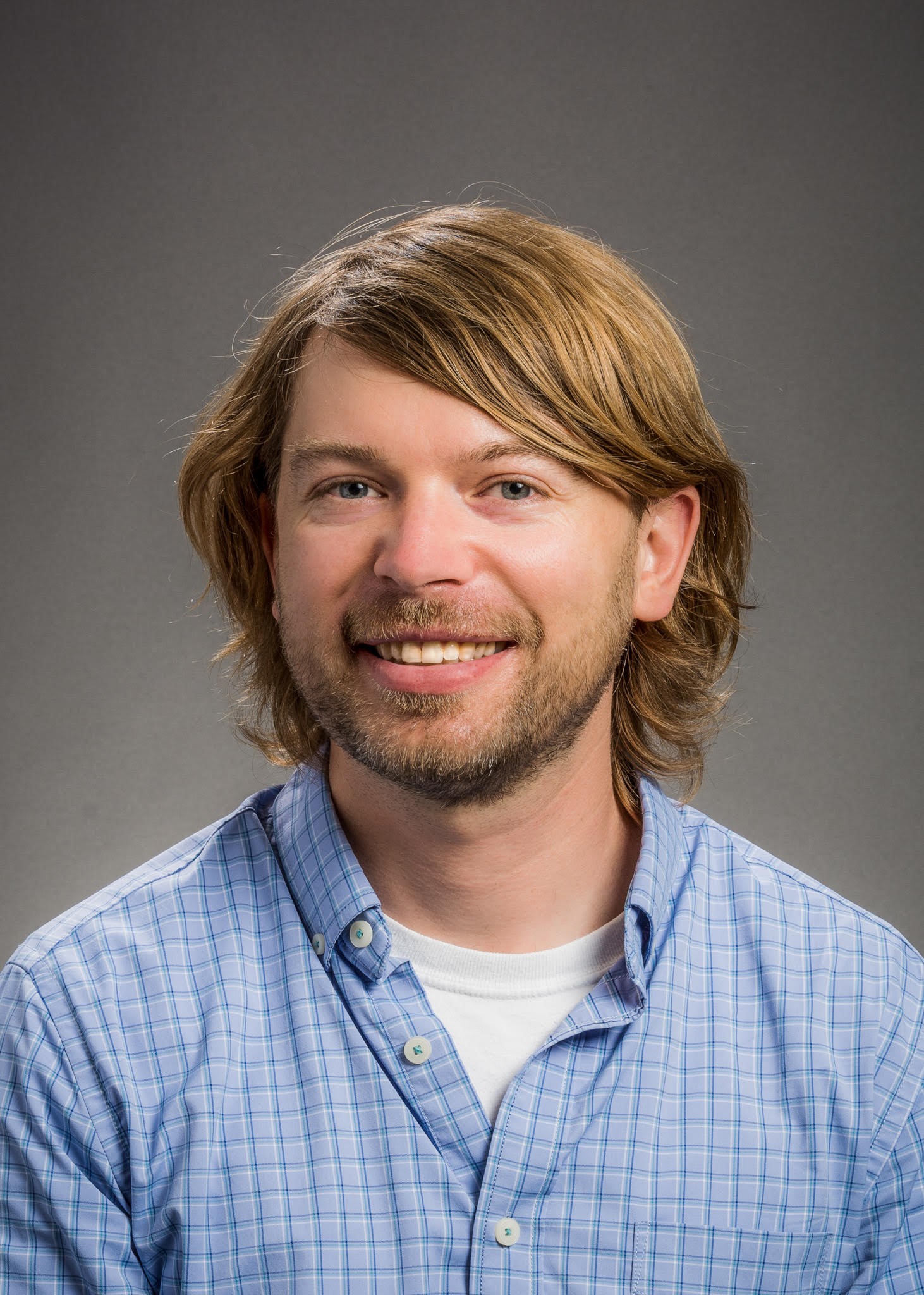
Samuel Arnold
· Assistant ProfessorVerifiedUniversity of Washington · Pharmacology
Active 1983–2025
About
Dr. Samuel Arnold joined the Department of Pharmaceutics at the University of Washington as an Assistant Professor in 2023. His research predominantly focuses on characterizing exposure-response relationships for therapeutic treatment of infectious diarrhea. While there has been a substantial reduction in diarrhea-associated mortality over the past decade, diarrheal diseases remain a major global health concern, especially as the etiological landscape shifts with the reduction of rotavirus infections and the rise of other agents such as Cryptosporidium and Shigella. Dr. Arnold’s work includes developing in vitro and in vivo models for cryptosporidiosis and shigellosis, and he has led efforts to identify pharmacokinetic/pharmacodynamic (PK/PD) relationships for anti-cryptosporidiosis drugs as part of the Bill & Melinda Gates Foundation Cryptosporidium Drug Accelerator (CryptoDA). His research involves non-traditional experimental approaches to understand exposure-response relationships given the gastrointestinal localization of these pathogens. Additionally, Dr. Arnold has provided clinical pharmacology support for a clinical trial in Malawi investigating clofazimine as a potential treatment for cryptosporidiosis, and his subsequent analysis has demonstrated an association between diarrheal status and therapeutic drug exposure. His lab is working on developing pharmacokinetic models to predict the impact of diarrhea on drug exposure prior to human dosing.
Research topics
- Biology
- Virology
- Immunology
- Pharmacology
- Cell biology
- Microbiology
- Internal medicine
- Medicine
- Pathology
- Computational biology
Selected publications
Appraising the visibility, relevance and impacts of clinical pharmacology
British Journal of Clinical Pharmacology · 2025-04-27
reviewOpen accessAIMS: Clinical pharmacology (CP) used to be a strong medical and scientific field, but during the last three decades it seems to have lost some of its appeal. We reviewed the visibility, relevance and impact of CP and clinical pharmacologists across the globe and suggest ways to strengthen the discipline to address future pharmacotherapeutic challenges. METHODS: Literature consultations and multiple survey approaches through personal contacts with leading experts from high-income countries, Asia and Africa and with CP scientific journal editors with presentation, discussion and recommendations at a workshop (World Congress in Basic and Clinical Pharmacology, Glasgow 2023). RESULTS: Historically, CP has been a leading discipline for the advancement of knowledge and practice of rational principles for human drug use. However, currently there is variable visibility and impact between countries in research, education and clinical services. The workshop participants agreed that CP continues to be an open transdisciplinary subject to address challenges of drug development with affordable access to essential medicines and rational use of new advanced therapies as well as essential medicines. Medical specialisation programmes in clinical pharmacology and therapeutics should be the norm and become attractive through introducing board programmes for accreditation of specialists building on models existing in some European countries, India, Nigeria and South Africa. CONCLUSIONS: Clinical pharmacologists should collaborate across countries and disseminate success stories, demonstrating their essential contributions to medical science and patient care. A white book with comprehensive global representation on the future role, structure and impact of the discipline should be developed.
Journal of Pharmacology and Experimental Therapeutics · 2025-03-01
articleSenior authorAmerican Journal of Veterinary Research · 2025-10-14
articleOpen accessObjective: To determine the systemic and CNS distribution of bumped-kinase inhibitors (BKIs) in healthy horses, assess potential side effects, and identify a candidate compound for a clinical trial in equine protozoal myeloencephalitis (EPM) cases. Methods: 9 pharmacokinetic (PK) experiments were conducted from March 2021 through November 2024. Bumped-kinase inhibitors 1708, 1748, and 1841 were screened in Sarcocystis neurona growth assays and IV PKs, followed by investigation of a lead BKI compound by single-dose or multiday oral administration. Serial plasma collections were performed to assess systemic distribution, and CNS penetration was determined based on drug concentrations in CSF and nervous tissue. Side effects were monitored by daily physical examinations, CBC, and blood biochemistry. Results: BKI-1708 was identified as a lead compound based on in vitro inhibition of S neurona growth at low nanomolar concentrations (half-maximum inhibitory concentration, 42 nM) and a lack of side effects. Based on IV and oral PK studies, a single daily dose was sufficient to achieve therapeutic concentrations systemically (average peak concentration of 5 μM and half-life of 25 hours at steady state). However, BKI-1708 concentrations in CSF and nervous tissue were 25-fold lower than in plasma, suggesting low CNS penetration. Conclusions: Although BKI-1708 did not achieve therapeutic concentrations in the CNS, the systemic PK profile warrants further investigation for use as EPM prophylaxis based on intermittent drug administration. Clinical Relevance: BKI-1708 is a potential compound for EPM prevention and treatment of systemic apicomplexan-related diseases in horses, such as piroplasmosis.
PLoS neglected tropical diseases · 2025-07-30 · 4 citations
articleOpen accessCorrespondingBACKGROUND: Diarrheal pathogens, such as Cryptosporidium, impose a heavy burden of disease in resource-limited regions. Cryptosporidiosis often causes chronic infection in immunocompromised people and gastrointestinal injury in malnourished children, leading to wasting, stunting, and cognitive impairment. Current treatment for cryptosporidiosis fails in these vulnerable populations, highlighting the need for new medicines. Here we describe the anti-Cryptosporidium efficacy, pharmacokinetics, and safety of a bumped kinase inhibitor BKI-1708. BKI-1708 inhibits the essential molecular target, calcium-dependent protein kinase 1 (CDPK1), which is highly expressed in the major proliferative stages of the parasite life cycle. METHODS AND FINDINGS: Efficacy was demonstrated in the Cryptosporidium parvum IFNγ-KO mouse infection and calf diarrhea models. Dose response in the mouse model demonstrated oral doses as low as 15 mg/kg administered daily for 3 days completely suppressed oocyst shedding. Metabolite profiling in pre-clinical species and human hepatocytes identified an active metabolite, M2, which retains sub-micromolar activity against C. parvum. Pharmacokinetic analysis of BKI-1708 and M2 in mice demonstrates good systemic exposure, important for treating biliary and upper respiratory infections in some cases of cryptosporidiosis. In mice, M2 reaches 7-fold and >3-fold higher levels over BKI-1708 in plasma and the gastrointestinal tract, respectively. Oral administration of M2 completely suppressed oocyst shedding in the mouse model at doses as low as 8 mg/kg for 3 days. Wide safety margins are demonstrated in mice, rats, and dogs. CONCLUSIONS: BKI-1708 has characteristics of a safe and effective drug for treating Cryptosporidium infections in animal models and shows promise for use in humans. Moreover, BKI-1708 and M2 formed in vivo, offer an attractive prospect of a dually active preclinical candidate for the treatment of cryptosporidiosis.
Clinical and Translational Science · 2025-12-26
articleOpen accessSenior authorCorrespondingIncreasing antimicrobial resistance poses a serious challenge for the treatment of Shigella infections, and there is an urgent need for alternative antibacterial treatments. We conducted a clinical trial to investigate the efficacy of oral tebipenem pivoxil, compared to intravenous ceftriaxone, in Bangladeshi children with shigellosis. Using demographic data of 2249 Bangladeshi children with suspected shigellosis, population pharmacokinetic (PK) simulations were conducted to simulate tebipenem PK profiles in children with the proposed dosing regimen. Subsequently, the model predictions estimated each virtual participant's fraction of time over the 3-day treatment period during which simulated free tebipenem plasma concentration was above the minimum inhibitory concentration (fT > MIC). Variability associated with the prevalence of different Shigella species in Bangladeshi children and the MIC distributions were incorporated. Shigella treatment effect was assumed for participants that had fT > MIC for at least 40% of the 3-day treatment period (40% fT > MIC). The probability of achieving 40% fT > MIC was 86.4% for 4 mg/kg tebipenem pivoxil three times daily (TID) dosing and 92.4% with 3 mg/kg tebipenem pivoxil four times daily (QID) dosing. Lastly, the probability of tebipenem pivoxil being non-inferior to ceftriaxone, in a clinical trial containing 66 participants per arm, was evaluated for two dosing regimens. Three levels of ceftriaxone resistance were simulated to examine how dynamic ceftriaxone resistance may impact the trial outcome. Our findings suggest that more frequent tebipenem pivoxil dosing may increase the chance of producing treatment effects, contribute valuable insights to inform dosing strategy selection, and demonstrate a workflow that can be adapted to other drugs and diseases.
BMJ Open · 2025-02-01
articleOpen accessIntroduction Shigellosis is the second leading cause of diarrhoeal deaths among children worldwide. Oral azithromycin and intravenous ceftriaxone are the recommended first-line and second-line therapies for shigellosis in Bangladesh, respectively, but growing antibiotic resistance will require new antibiotic options. Tebipenem pivoxil, an orally administered carbapenem antibiotic with activity against many strains of antibiotic-resistant bacteria, may be a viable option. Methods A phase IIb randomised controlled trial was planned to determine the efficacy and safety of oral tebipenem pivoxil, compared with intravenous ceftriaxone, for children with Shigella diarrhoea unresponsive to the first-line antibiotic therapy. We will enrol 132 children in the trial (66 in each arm). Children from Bangladesh aged 24–59 months suspected of having Shigella diarrhoea, with no clinical improvement within 48 hours of starting first-line therapy, will be randomised to a 3-day course of intravenous ceftriaxone (50 mg/kg, once a day) or a 3-day course of oral tebipenem pivoxil (4 mg/kg, three times a day). The children will be evaluated for key clinical, microbiological and safety outcomes during the subsequent 30-day period. Clinically, failure at day 3 will be defined as the presence of fever (axillary temperature ≥38°C), diarrhoea (three or more abnormally loose or watery stools in the last 24 hours), blood in stool, or abdominal pain/tenderness at day 3 of follow-up or death or hospitalisation prior to day 3. It is hypothesised that children treated with tebipenem pivoxil will have no worse clinical and microbiological failure rates compared with ceftriaxone. Ethics and dissemination This study protocol was approved by the institutional review board of the International Centre for Diarrhoeal Disease Research, Bangladesh, which comprises a research review committee and an ethics review committee. In addition, the use of tebipenem pivoxil in shigellosis was approved by the Directorate General of Drug Administration of Bangladesh. Trial registration number NCT05121974 .
2024-07-05
preprintOpen access<p>Figure S7 shows Western blot analysis confirming the findings with RPPA.</p>
2024-07-05
preprintOpen access<p>Table S7 shows pharmacokinetic parameters after a single dose in mouse, rat, dog, and cynomolgus monkey.</p>
2024-07-05
preprintOpen access<p>Figure S7 shows Western blot analysis confirming the findings with RPPA.</p>
2024-07-05
preprintOpen access<p>Figure S12 shows antiproliferative activity of BKIDCs on HK1 and HK2 KO LNCaP cell lines.</p>
Frequent coauthors
- 127 shared
Wesley C. Van Voorhis
- 124 shared
Ryan Choi
- 122 shared
Matthew A. Hulverson
- 121 shared
Lynn K. Barrett
- 120 shared
Kayode K. Ojo
- 118 shared
Grant R. Whitman
- 114 shared
Dustin J. Maly
- 105 shared
Lucas B. Sullivan
Education
B.S., Biochemistry
University of Colorado
Ph.D., Pharmaceutics
University of Washington
- Resume-aware match score
- Save to shortlist
- AI-drafted outreach
See your match with Samuel Arnold
PhdFit ranks faculty by your research interests, methods, and publications — grounded in their actual work, not templates.
- Free to start
- No credit card
- 30-second signup