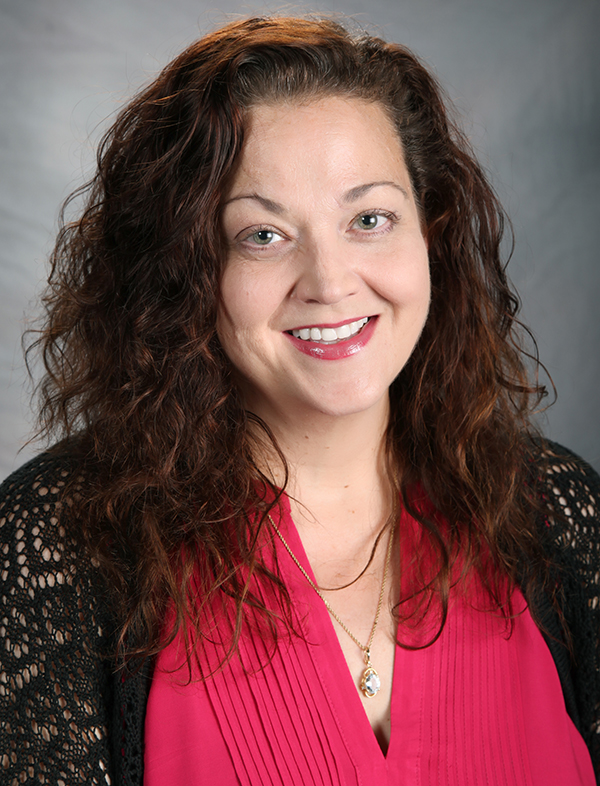
Laurie Charles
· Clinical Assistant ProfessorVerifiedTexas A&M University · Nursing
Active 2021–2024
About
Professor Laurie Charles is associated with the Texas A&M College of Nursing, which serves as the Texas A&M Health Center of Excellence in Forensic Nursing. The center is dedicated to forensic nursing research, outreach, and education, focusing on translating evidence-based research into practice and supporting sexual assault nurse examiners in seeking state certification. The center aims to increase access to trauma-informed care for victims and perpetrators of violence, and it leads national efforts in developing interdisciplinary strategies to prevent and address violence across the lifespan through research, academic programs, continuing education, and outreach. The center's mission is to improve health outcomes for those affected by violence and disaster, and it strives to be a nationally recognized, well-funded research, education, and outreach center in forensic nursing.
Research topics
- Nursing
- Medicine
- Psychology
- Sociology
- Medical education
Selected publications
Journal of the Academy of Forensic Nursing · 2024-12-13 · 2 citations
articleOpen accessBACKGROUND: The American Nurses Association designated forensic nursing (FN) a specialty in 1995. Nursing schools subsequently adopted Lynch's theoretical framework. Inconsistent sub-specialty-focused graduate education emerged, creating difficult-to-compare early programs of study. AIMS: Update FN domains, descriptions of and context for FN practices, core competencies, and sub-competencies with content for graduate curricula, align FN with new AACN Essentials, and create a certification foundation. METHODS: Methods include the mini-Delphi design (Estimate-Talk-Estimate), with Nominal Group Techniques methods, Cognitive Task Analysis, and NVivo™ qualitative analysis of experts' virtual recordings. The FN sample (N=126) included educators-clinicians, who gathered face-to-face (2002-4, 2014) and virtually (2020-22). RESULTS: The 2002-04 results informed the 2014 meeting, validating major knowledge pillars (legal foundations, forensic science, and nursing science). Analysis of 2020-2022 data named key domains, descriptions of and context for practice, core competencies, sub-competencies, concepts, and content in forensic nurse science and practice. The research included qualitative analysis of participant conversations, naming key content for each pillar. CONCLUSIONS: The 20-year Delphi study transformed knowledge integration for competent future Generalist and Advanced Forensic Nurse education and practice. The study confirmed Lynch’s thesis, three pillars of knowledge, and aligned FN core competencies with AACN Essentials and other national nursing publications, naming common practices, essential for all FNs. The study’s derivation of scientific content, important for certifications, arose from qualitative analysis of expert conversations, implying that as FN science evolves, the diverse practice roles of the FN mature with a common and basic core for application in all FN practices.
Journal of the Academy of Forensic Nursing · 2024-12-13
articleOpen access1st authorCorrespondingMock testimony is a novel approach to the education of medical professionals who testify in legal proceedings. It allows peer to peer and interdisciplinary education with, about, and from attorneys and forensic nurses. Forensic nurse faculty created a mock testimony simulation in conjunction with attorneys to educate novice forensic nurses. It serves a multitude of purposes including providing a psychologically safe space for forensic nurses to learn key legal concepts while not impacting criminal trial or patient outcomes.
Journal of the Academy of Forensic Nursing · 2024-12-13
articleOpen accessBackground: Burnout is defined as work-related emotional exhaustion, depersonalization, and lack of personal accomplishment. Sexual assault nurse examiners (SANEs) may be at increased risk for burnout. Wellbeing practices protect against burnout. The purpose of this study was to evaluate the wellbeing and burnout of nurses undergoing education to become SANEs, considering the potential impacts of the COVID-19 pandemic. Methods: Data were from the SANE Wellbeing Study offered in conjunction with a SANE education program. The SANE Wellbeing Survey included the Nurse Wellbeing Self-Assessment (NWSAT), Maslach Burnout Inventory (MBI), Connor-Davidson Resilience Scale (CD-RISC), Perceived Stress Scale (PSS), and General Self-Efficacy (GSE) scale. Backward stepwise regression was used to identify factors that predicted NWSAT wellbeing scores. Results: A total of 68 nurses participated; most were female, white/non-Hispanic, bachelor’s-prepared, and worked in non-rural settings. About two-thirds completed the SANE Wellbeing Survey prior to the COVID-19 pandemic. Higher MBI Emotional Exhaustion and PSS scores were associated with lower wellbeing on some NWSAT domains. Working in an emergency department as their primary setting, working in a rural hospital, and lower education level were associated with lower scores on some wellbeing domains. Nurses who completed the survey during the pandemic had lower MBI Personal Accomplishment, CD-RISC, and GSE scores, and higher PSS scores. Conclusion: Nurses who self-select to become SANEs may have good baseline wellbeing and low burnout. Implications for Clinical Forensic Nursing Practice: Strategies to promote wellbeing and prevent burnout after beginning SANE practice can support a healthy SANE workforce and prevent attrition.
Sexual Assault Nurse Examiner Education Needs in Texas
Journal of Forensic Nursing · 2023-03-30 · 6 citations
articleABSTRACT: Background: As with many areas of the nation, Texas lacks a robust sexual assault nurse examiner (SANE) workforce. A program in Texas offers courses to educate and expand SANE skills to better provide trauma-informed care to vulnerable populations. Methods: A survey to stakeholders of a SANE educational program, as part of a planned program evaluation, elicited not only barriers to providing care but also specific program needs to better expand access to sexual assault and domestic violence medical forensic examinations in Texas. Results: In January 2022, a total of 40 stakeholders, all registered nurses in the state of Texas, provided vital information on their current program. Analysis of written survey responses provided themes regarding barriers to providing SANE care and suggestions for expanded education. Discussion: The survey provided valuable feedback and comments on the perceptions of the current SANE program. Written responses offered direction for additional learning desires of SANEs associated with the program as well as areas for the program to expand to meet the needs of the learners. This stakeholder guidance has implications beyond this one SANE education program to enhance and expand other programs based on learner needs.
Incorporating Virtual Reality Simulation to Conduct a Sexual Assault Examination
Journal of Interactive Learning Research · 2023-01-01 · 2 citations
articleOpen accessA global health issue, sexual assault affects individuals of all ages, genders, and socioeconomic status. Forensic nurses, particularly sexual assault nurse examiners (SANE), deliver trauma-informed, patient-centered health care. Providing care to persons who experience sexual violence requires mastery of numerous psychomotor skills, many of which are not taught in nursing school. To facilitate knowledge and skill development, simulation-based learning was incorporated into an adult sexual assault simulation course designed for new SANEs. A virtual reality (VR) simulation was developed over three years with a multi-disciplinary team to assist Registered Nurses (RNs) who were novice SANEs to master technical skills necessary to perform the sexual assault examination. Through a head mounted display, learners were immersed in the virtual environment, working their way through modules that taught technical skills. This novel approach was created through a unique collaboration of students, content experts, and faculty, providing a consistent platform to examine a vulnerable population without re-traumatizing the victim. The VR simulation may be used to train new nurses and refine skills of more experienced nurses in sexual assault examination. Keywords: Virtual Reality Simulation, Sexual Assault Nurse Examiner, Sexual Assault, Forensics
You don’t have to look far to find human trafficking victims
2018-08-20
preprint1st authorCorresponding
Frequent coauthors
- 11 shared
Nancy R. Downing
Texas A&M University School of Law
- 10 shared
Stacey A. Mitchell
Texas A&M University
- 3 shared
S. Weir Mitchell
Texas A&M University School of Law
- 2 shared
Kathleen Thimsen
University of Nevada, Las Vegas
- 2 shared
Stacey A. Mitchell
University of Alabama at Birmingham
- 2 shared
Maximilian Veltman
Boise State University
- 1 shared
Richard J Bogue
University of Iowa
- 1 shared
Elizabeth Burgess Dowdell
Georgia College & State University
Education
- 2025
Doctorof Nursing Practice, Nursing
University of St. Thomas
- 2015
MSN Health Leadership and Management, Nursing
Western Governors University
Awards & honors
- Belle of Steel, 2023
- DF-AFN - Distinguished Fellow, Academy of Forensic Nursing,…
- The Daisy Award® for Extraordinary Nurses, Nurse educator no…
- #Shedidthat, Western Governors University & Lifetime Network…
- Community Partner of the Year Award, Brazos Valley Sexual As…
- Resume-aware match score
- Save to shortlist
- AI-drafted outreach
See your match with Laurie Charles
PhdFit ranks faculty by your research interests, methods, and publications — grounded in their actual work, not templates.
- Free to start
- No credit card
- 30-second signup