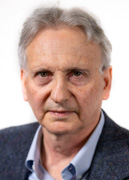
David Loewenstein
VerifiedPennsylvania State University · English
Active 1984–2024
Research topics
- Medicine
- Internal medicine
- Psychology
- Gerontology
- Computer Science
- History
- Audiology
- Demography
- Art history
- Classics
- Business
- Neuroscience
- Environmental health
- Environmental ethics
- Internet privacy
- Art
- Clinical psychology
- Psychiatry
- Philosophy
- Psychotherapist
Selected publications
Neurology · 2021 · 37 citations
- Neuroscience
- Psychology
- Medicine
BACKGROUND AND OBJECTIVES: The goal of this work was to determine the relationship between diffusion microstructure and early changes in Alzheimer disease (AD) severity as assessed by clinical diagnosis, cognitive performance, dementia severity, and plasma concentrations of neurofilament light chain. METHODS: Diffusion MRI scans were collected on cognitively normal participants (CN) and patients with early mild cognitive impairment (EMCI), late mild cognitive impairment, and AD. Free water (FW) and FW-corrected fractional anisotropy were calculated in the locus coeruleus to transentorhinal cortex tract, 4 magnocellular regions of the basal forebrain (e.g., nucleus basalis of Meynert), entorhinal cortex, and hippocampus. All patients underwent a battery of cognitive assessments; neurofilament light chain levels were measured in plasma samples. RESULTS: < 0.05). DISCUSSION: These results show that higher FW is associated with greater clinical diagnosis severity, cognitive impairment, and neurofilament light chain. They also suggest that FW elevation occurs in the locus coeruleus to transentorhinal cortex tract, nucleus basalis of Meynert, and hippocampus in the transition from CN to EMCI, while other basal forebrain regions and the entorhinal cortex are not affected until a later stage of AD. FW is a clinically relevant and noninvasive early marker of structural changes related to cognitive impairment.
Multimorbidity patterns and their relationship to mortality in the US older adult population
PLoS ONE · 2021 · 116 citations
- Medicine
- Demography
- Gerontology
BACKGROUND: Understanding patterns of multimorbidity in the US older adult population and their relationship with mortality is important for reducing healthcare utilization and improving health. Previous investigations measured multimorbidity as counts of conditions rather than specific combination of conditions. METHODS: This cross-sectional study with longitudinal mortality follow-up employed latent class analysis (LCA) to develop clinically meaningful subgroups of participants aged 50 and older with different combinations of 13 chronic conditions from the National Health Interview Survey 2002-2014. Mortality linkage with National Death Index was performed through December 2015 for 166,126 participants. Survival analyses were conducted to assess the relationships between LCA classes and all-cause mortality and cause specific mortalities. RESULTS: LCA identified five multimorbidity groups with primary characteristics: "healthy" (51.5%), "age-associated chronic conditions" (33.6%), "respiratory conditions" (7.3%), "cognitively impaired" (4.3%) and "complex cardiometabolic" (3.2%). Covariate-adjusted survival analysis indicated "complex cardiometabolic" class had the highest mortality with a Hazard Ratio (HR) of 5.30, 99.5% CI [4.52, 6.22]; followed by "cognitively impaired" class (3.34 [2.93, 3.81]); "respiratory condition" class (2.14 [1.87, 2.46]); and "age-associated chronic conditions" class (1.81 [1.66, 1.98]). Patterns of multimorbidity classes were strongly associated with the primary underlying cause of death. The "cognitively impaired" class reported similar number of conditions compared to the "respiratory condition" class but had significantly higher mortality (3.8 vs 3.7 conditions, HR = 1.56 [1.32, 1.85]). CONCLUSION: We demonstrated that LCA method is effective in classifying clinically meaningful multimorbidity subgroup. Specific combinations of conditions including cognitive impairment and depressive symptoms have a substantial detrimental impact on the mortality of older adults. The numbers of chronic conditions experienced by older adults is not always proportional to mortality risk. Our findings provide valuable information for identifying high risk older adults with multimorbidity to facilitate early intervention to treat chronic conditions and reduce mortality.
Alzheimer s & Dementia Translational Research & Clinical Interventions · 2020 · 51 citations
- Psychology
- Audiology
- Gerontology
INTRODUCTION: Federally funded Alzheimer's Disease Centers in the United States have been using a standardized neuropsychological test battery as part of the National Alzheimer's Coordinating Center Uniform Data Set (UDS) since 2005. Version 3 (V3) of the UDS replaced the previous version (V2) in 2015. We compared V2 and V3 neuropsychological tests with respect to their ability to distinguish among the Clinical Dementia Rating (CDR) global scores of 0, 0.5, and 1. METHODS: First, we matched participants receiving V2 tests (V2 cohort) and V3 tests (V3 cohort) in their cognitive functions using tests common to both versions. Then, we compared receiver-operating characteristic (ROC) area under the curve in differentiating CDRs for the remaining tests. RESULTS: Some V3 tests performed better than V2 tests in differentiating between CDR 0.5 and 0, but the improvement was limited to Caucasian participants. DISCUSSION: Further efforts to improve the ability for early identification of cognitive decline among diverse racial groups are required.
Studies in English Literature 1500-1900 · 2020
1st authorCorresponding- Computer Science
- Classics
- Art
Three appreciations of the life of David Bevington pay tribute to his academic and scholarly achievements and honor his long and distinguished service to SEL.
Recent grants
NIH · $515k · 1997
NIH · $3.6M · 2019–2024
NIH · $412k · 2015
NIH · $949k · 2012
1Florida Alzheimer's Disease Research Center
NIH · $33.7M · 2020–2026
Frequent coauthors
- 640 shared
Ranjan Duara
Florida College
- 219 shared
Rosie E. Curiel
University of Miami
- 202 shared
Malek Adjouadi
Florida International University
- 199 shared
Warren Barker
Mount Sinai Medical Center
- 111 shared
Steven T. DeKosky
University of Florida
- 106 shared
Mónica Rosselli
- 91 shared
Maria T. Greig‐Custo
University of Florida
- 87 shared
Todd E. Golde
Emory University
Education
PhD, Clinical Psychology
Florida State University
- Resume-aware match score
- Save to shortlist
- AI-drafted outreach
See your match with David Loewenstein
PhdFit ranks faculty by your research interests, methods, and publications — grounded in their actual work, not templates.
- Free to start
- No credit card
- 30-second signup